In industrial automation and control systems, proximity sensors play a critical role in detecting the presence or absence of objects without physical contact. One key parameter that significantly influences their performance and integration is the sensor pitch. Proximity sensor pitch refers to the distance between the centers of adjacent sensors when multiple units are arranged in an array or linear configuration. This measurement is crucial for ensuring accurate detection, avoiding interference, and optimizing spatial efficiency in machinery and production lines.
The pitch of a proximity sensor directly impacts the resolution and reliability of object detection. In applications such as conveyor belt monitoring, robotic assembly, or packaging systems, sensors are often mounted in close proximity to each other to track small components or precise movements. If the pitch is too large, gaps in detection may occur, leading to missed objects or inaccurate positioning data. Conversely, if the pitch is too small, sensors can interfere with each other's electromagnetic or capacitive fields, causing false triggers or reduced sensitivity. Engineers must carefully calculate the optimal pitch based on factors like sensor type, object size, and environmental conditions.
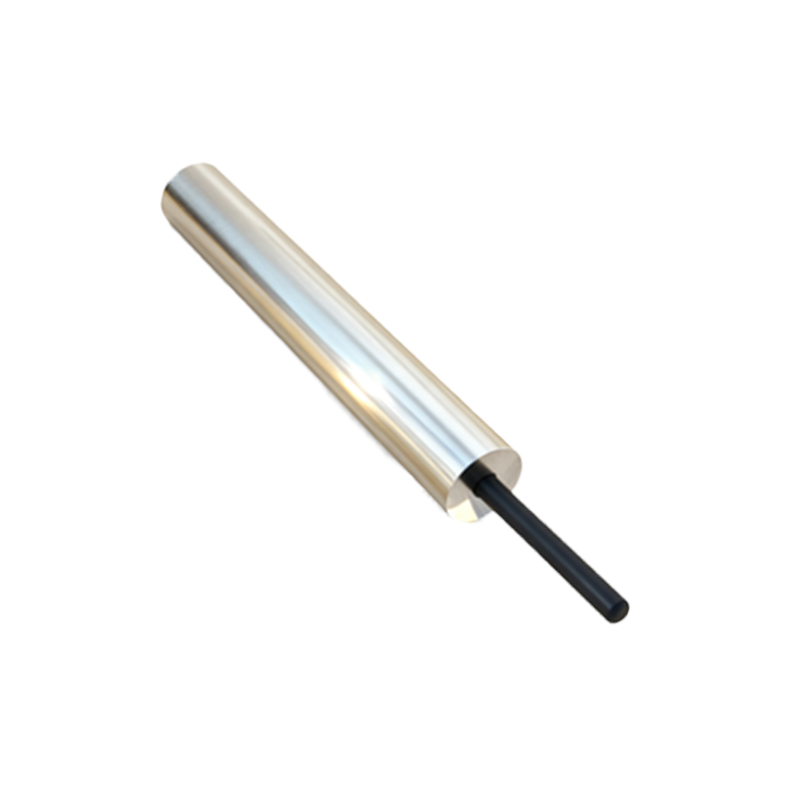
Inductive and capacitive proximity sensors are commonly used in industrial settings, each with distinct pitch considerations. Inductive sensors, which detect metallic objects, typically require a larger pitch to prevent mutual interference due to their electromagnetic fields. A general rule of thumb is to maintain a pitch of at least twice the sensor's diameter or sensing range, whichever is greater. For example, if an inductive sensor has a diameter of 18 mm and a sensing range of 8 mm, a minimum pitch of 36 mm is recommended to ensure stable operation. Capacitive sensors, capable of detecting non-metallic materials, may have different pitch requirements based on dielectric properties and shielding designs.
In high-density installations, such as automated inspection systems or semiconductor manufacturing, precise pitch alignment is essential. Advanced sensor arrays often incorporate shielding technologies or alternating frequencies to minimize crosstalk. Engineers should consult manufacturer datasheets, which provide specific guidelines for pitch distances under various operating conditions. Additionally, thermal expansion and mechanical vibrations in industrial environments can affect pitch over time, necessitating regular calibration and maintenance to sustain accuracy.
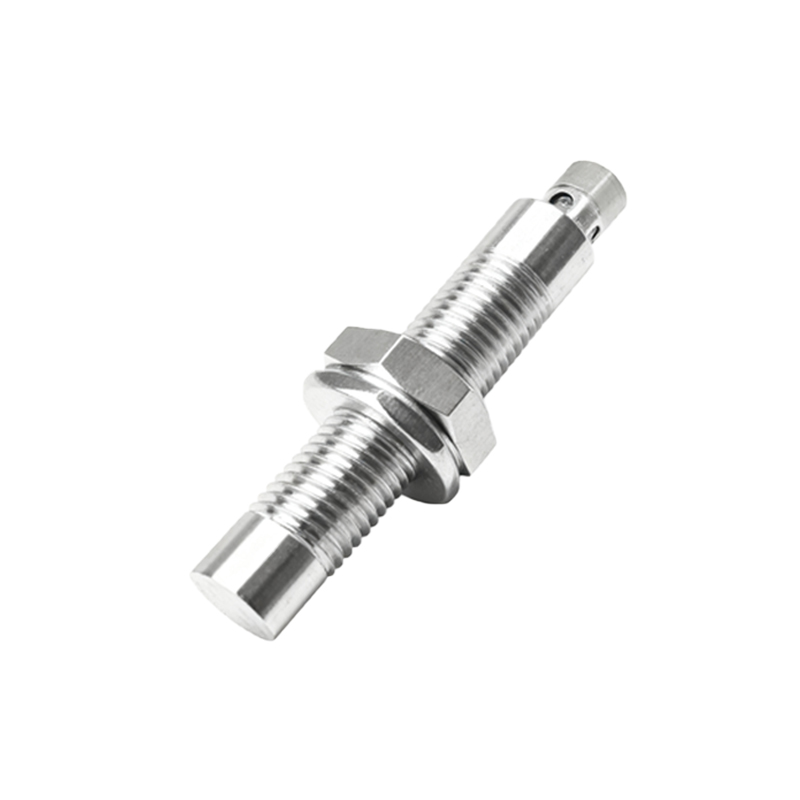
When designing a system with multiple proximity sensors, it's important to consider not only the pitch but also the mounting method and orientation. Flush-mounted sensors, which are installed within metal surfaces, may allow for tighter pitches compared to non-flush models, as their fields are more focused. The orientation of sensors relative to each other and to target objects also influences optimal pitch; for instance, aligning sensors perpendicularly to the direction of object movement can enhance detection consistency. Simulation tools and prototyping are valuable for testing pitch configurations before full-scale deployment, reducing the risk of operational failures.
In summary, proximity sensor pitch is a fundamental aspect of industrial automation that balances detection accuracy, system reliability, and spatial constraints. By adhering to engineering best practices and manufacturer specifications, professionals can design efficient sensor layouts that meet the demands of modern manufacturing. As technology evolves, innovations in miniaturization and signal processing may further refine pitch tolerances, enabling more compact and robust sensor arrays for future applications.