In the realm of industrial automation, proximity sensors have become indispensable components, enabling non-contact detection of objects with precision and reliability. These sensors, which detect the presence or absence of objects without physical contact, are widely used across various industries, including manufacturing, automotive, packaging, and robotics. Their ability to operate in harsh environments—such as those with dust, moisture, or extreme temperatures—makes them a preferred choice for enhancing efficiency and safety in automated systems.
Proximity sensors come in several types, each suited to specific applications. Inductive sensors, for instance, detect metallic objects and are commonly used in metalworking and machining processes. Capacitive sensors can detect both metallic and non-metallic materials, making them ideal for liquid level detection or plastic handling. Ultrasonic sensors use sound waves to measure distance or detect objects, often applied in material handling and obstacle avoidance. Photoelectric sensors, which rely on light beams, are versatile for detecting objects of various materials and are frequently seen in conveyor systems and packaging lines.
The adoption of proximity sensors has revolutionized industrial operations by reducing mechanical wear, minimizing downtime, and improving accuracy. In automotive assembly lines, for example, these sensors ensure precise positioning of components, while in food processing, they help maintain hygiene by eliminating contact with products. Moreover, with the rise of Industry 4.0 and the Internet of Things (IoT), proximity sensors are increasingly integrated into smart systems, providing real-time data for predictive maintenance and process optimization.
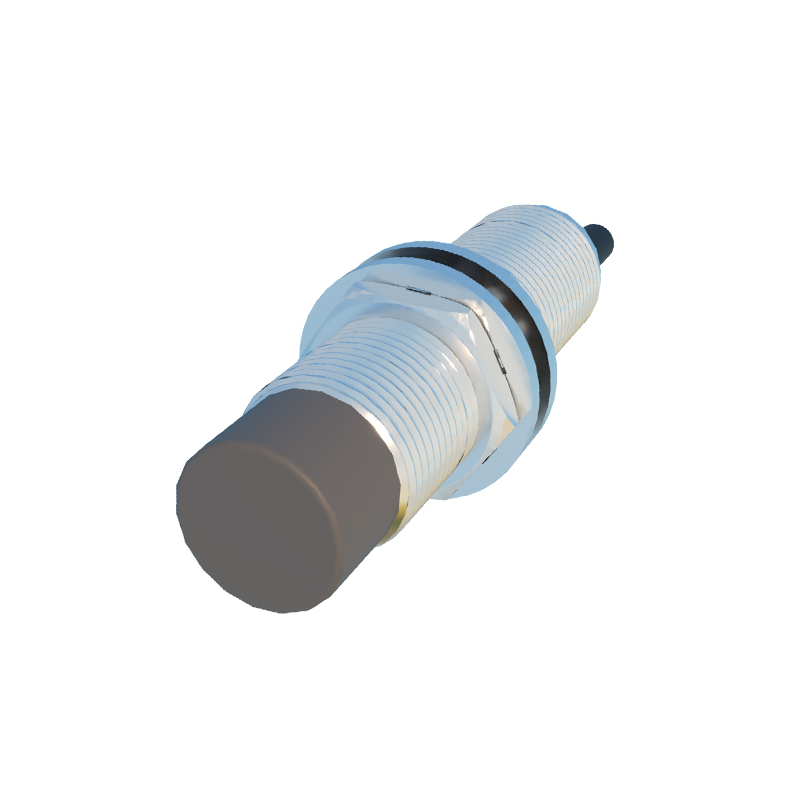
Several companies lead the market in proximity sensor technology, offering innovative solutions tailored to industrial needs. Key players include:
- Sick AG: A German-based leader in sensor technology, Sick provides a wide range of proximity sensors known for their durability and high performance in challenging environments. Their products are widely used in logistics, automotive, and electronics manufacturing.
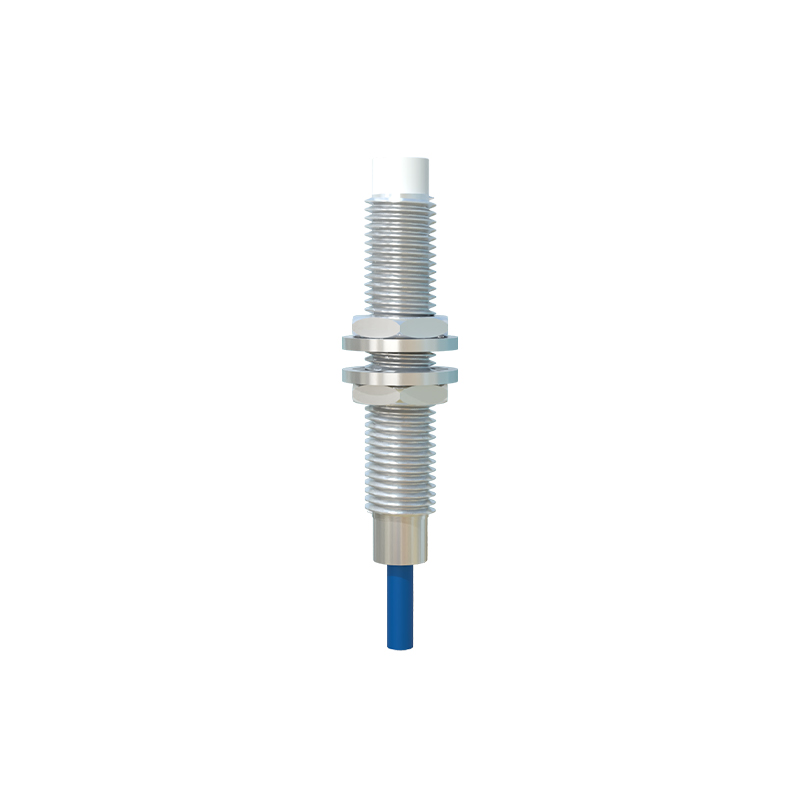
- Omron Corporation: A Japanese multinational, Omron specializes in automation components, including inductive, capacitive, and photoelectric proximity sensors. Their sensors are praised for reliability and are integrated into various automation systems globally.
- Pepperl+Fuchs: This German company is renowned for its expertise in sensor and explosion protection technology. Their proximity sensors are designed for hazardous areas and are essential in industries like oil and gas, chemical processing, and pharmaceuticals.
- Balluff GmbH: Based in Germany, Balluff offers a comprehensive portfolio of proximity sensors, including miniaturized versions for space-constrained applications. Their sensors are popular in robotics, machine tooling, and assembly automation.
- Rockwell Automation: An American provider, Rockwell Automation delivers proximity sensors as part of its broader automation solutions. Their products are known for seamless integration with control systems, enhancing productivity in manufacturing plants.
These companies invest heavily in research and development to advance sensor technology, focusing on features like longer sensing ranges, higher switching frequencies, and enhanced connectivity. For instance, modern proximity sensors often include IO-Link communication, enabling easy configuration and data exchange with central controllers. This connectivity supports the trend toward digitalization, allowing industries to monitor sensor health and performance remotely, thus reducing maintenance costs and improving operational efficiency.
In conclusion, proximity sensors play a critical role in modern industrial automation, driving improvements in safety, efficiency, and data-driven decision-making. As industries continue to embrace automation and smart technologies, the demand for advanced proximity sensors is expected to grow. Leading companies like Sick, Omron, Pepperl+Fuchs, Balluff, and Rockwell Automation are at the forefront, developing solutions that meet evolving challenges and support the future of manufacturing and beyond. By leveraging these technologies, businesses can achieve higher productivity, reduced waste, and a competitive edge in the global market.