In the realm of industrial automation and control systems, proximity sensors are indispensable components. They detect the presence or absence of an object without physical contact, enabling precise, reliable, and maintenance-free operation in diverse applications. Understanding the classification of these sensors and the key companies that manufacture them is crucial for engineers and procurement specialists. This article delves into the primary types of proximity sensors and highlights prominent companies leading the market.
Proximity sensors are primarily classified based on their underlying detection technology. The most common types include Inductive, Capacitive, Ultrasonic, Photoelectric, and Magnetic (Reed Switch or Hall Effect) sensors.
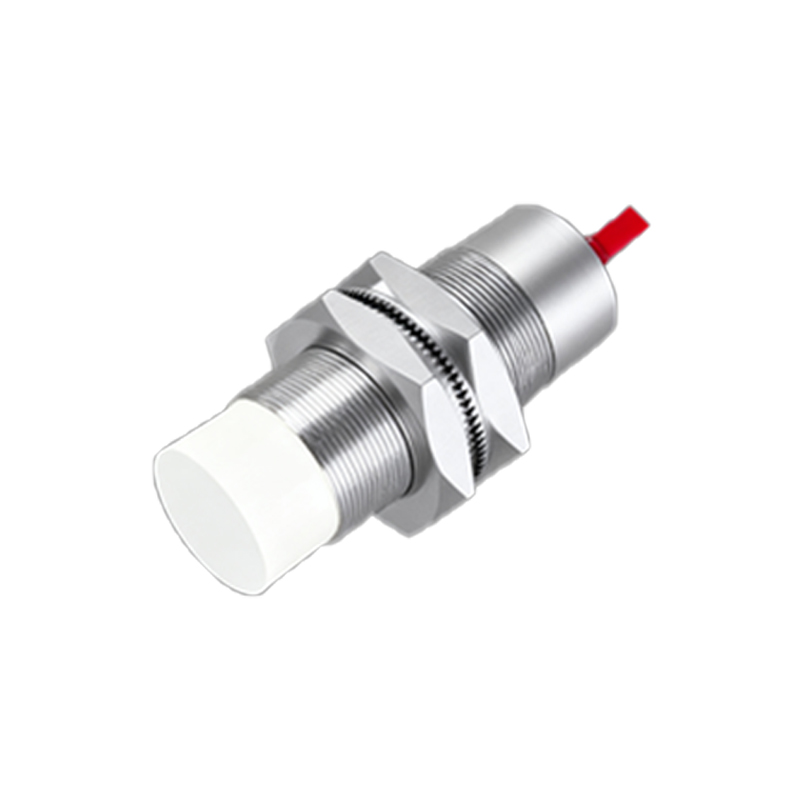
Inductive proximity sensors are the workhorses of metal detection. They generate an electromagnetic field and detect eddy current losses caused by metallic targets. Ideal for harsh environments, they are immune to dust, oil, and moisture. Typical applications involve position sensing of metal parts, machine tools, and automotive assembly lines.
Capacitive proximity sensors can detect both metallic and non-metallic materials—liquids, plastics, wood, or granules. They function by measuring changes in capacitance between the sensor and the target. This makes them perfect for level detection in tanks, material handling, and presence detection of packaged goods.
Ultrasonic sensors use sound waves beyond human hearing. They measure the time taken for an emitted sound pulse to reflect off a target and return. Effective for distance measurement, object detection, and level sensing of liquids or bulk solids, they perform well in environments with dust or vapor where optical sensors might fail.
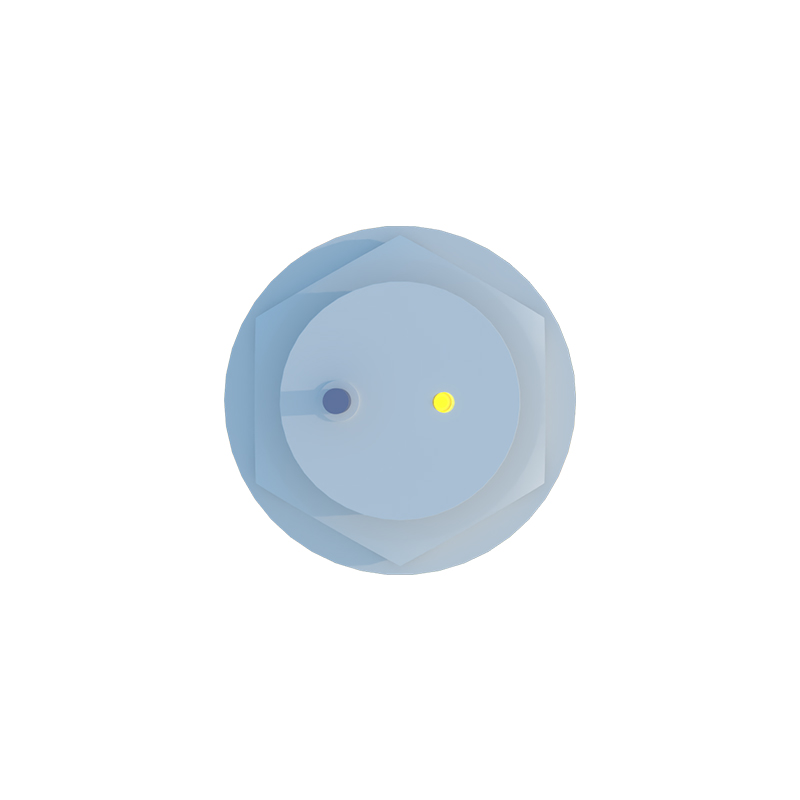
Photoelectric sensors operate on light beam principles (visible, infrared, or laser). They are categorized into through-beam, retro-reflective, and diffuse-reflective types. Offering long sensing ranges and high speed, they are versatile for detecting small objects, color marks, or transparent materials in packaging, material handling, and electronics manufacturing.
Magnetic proximity sensors, including reed switches and Hall effect sensors, detect magnetic fields, typically from a permanent magnet. They are simple, cost-effective, and used in position sensing for cylinders, doors, and safety switches.
The market for these sensors is driven by several established and innovative companies, each with distinct strengths.
Omron Corporation, a Japanese multinational, is a global leader in factory automation. Their extensive portfolio includes highly reliable inductive, capacitive, and photoelectric sensors known for durability and advanced features like IO-Link connectivity. Omron sensors are ubiquitous in automotive, packaging, and semiconductor industries.
Sick AG, headquartered in Germany, is synonymous with high-performance sensor solutions. They offer a comprehensive range, particularly excelling in photoelectric and ultrasonic sensors for demanding logistic and process automation applications. Sick's sensors are renowned for precision, robustness, and innovative designs for challenging environments.
Pepperl+Fuchs, another German powerhouse, specializes in intrinsic safety and industrial sensor technology. They provide a vast array of inductive, capacitive, and ultrasonic sensors, often with modular designs and high ingress protection ratings for use in explosive atmospheres (ATEX) and general industry.
Balluff GmbH, a German family-owned company, is highly regarded for its innovation in sensor technology and industrial identification. They offer a complete spectrum of proximity sensors, with a strong focus on miniaturization, hybrid models combining multiple technologies, and seamless integration into Industry 4.0 and IIoT systems via IO-Link and RFID.
IFM Electronic, a German manufacturer, emphasizes ease of use and diagnostic capabilities. Their sensor range is broad, featuring user-friendly indicators and advanced diagnostics that simplify setup and maintenance, making them popular across various industrial sectors.
In the United States, Rockwell Automation (Allen-Bradley) and Banner Engineering are key players. Rockwell provides sensors tightly integrated with their control systems, while Banner is celebrated for its innovative photoelectric sensors and robust, application-specific solutions.
Selecting the right sensor and supplier depends on application specifics: target material, required sensing distance, environmental conditions (temperature, contaminants), output type, and connectivity needs. The leading companies mentioned consistently invest in R&D, pushing boundaries with smarter, more connected, and more application-specific sensors to meet the evolving demands of modern industrial automation. A thorough evaluation of both technology and manufacturer capabilities ensures optimal system performance, reliability, and long-term value.