In the rapidly evolving landscape of industrial automation, laser sensors have emerged as pivotal components, driving precision, efficiency, and innovation across diverse sectors. As an experienced electrical engineer specializing in sensor technologies, I have witnessed firsthand the transformative impact of laser-based systems in manufacturing, robotics, and quality control. This article delves into the collaborative potential of laser sensors, highlighting key applications, technological advancements, and strategic partnerships that can propel industries forward.
Laser sensors operate by emitting focused light beams to detect, measure, or profile objects with exceptional accuracy. Their non-contact nature minimizes wear and tear, ensuring longevity and reliability in harsh environments. In collaborative robotics, for instance, laser sensors enable safe human-robot interaction by providing real-time spatial data, allowing machines to adapt to dynamic surroundings. This synergy enhances productivity while reducing operational risks, making it a cornerstone of Industry 4.0 initiatives.
Beyond robotics, laser sensors play a crucial role in automated inspection systems. In automotive assembly lines, they verify component dimensions and alignments with micron-level precision, ensuring compliance with stringent quality standards. Similarly, in logistics and warehousing, laser-based scanners facilitate rapid inventory management by reading barcodes and tracking packages, streamlining supply chain operations. The integration of these sensors with IoT platforms further amplifies their utility, enabling predictive maintenance and data-driven decision-making.
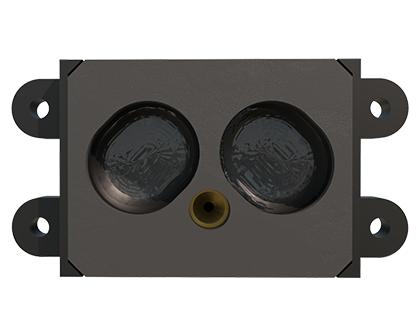
Technological advancements continue to expand the horizons of laser sensor collaboration. Innovations such as time-of-flight (ToF) sensors and LiDAR systems offer enhanced depth perception and 3D mapping capabilities, essential for autonomous vehicles and smart infrastructure projects. Partnerships between sensor manufacturers, software developers, and end-users are vital to harnessing these technologies effectively. By fostering cross-industry alliances, companies can co-develop customized solutions that address specific challenges, from environmental monitoring to medical diagnostics.
However, successful collaboration requires addressing technical and logistical hurdles. Factors like sensor calibration, data interoperability, and cost considerations must be navigated through open dialogue and shared expertise. Training programs and knowledge exchange initiatives can bridge skill gaps, empowering teams to leverage laser sensors optimally. Moreover, adherence to international standards, such as ISO and IEC guidelines, ensures compatibility and safety in global markets.
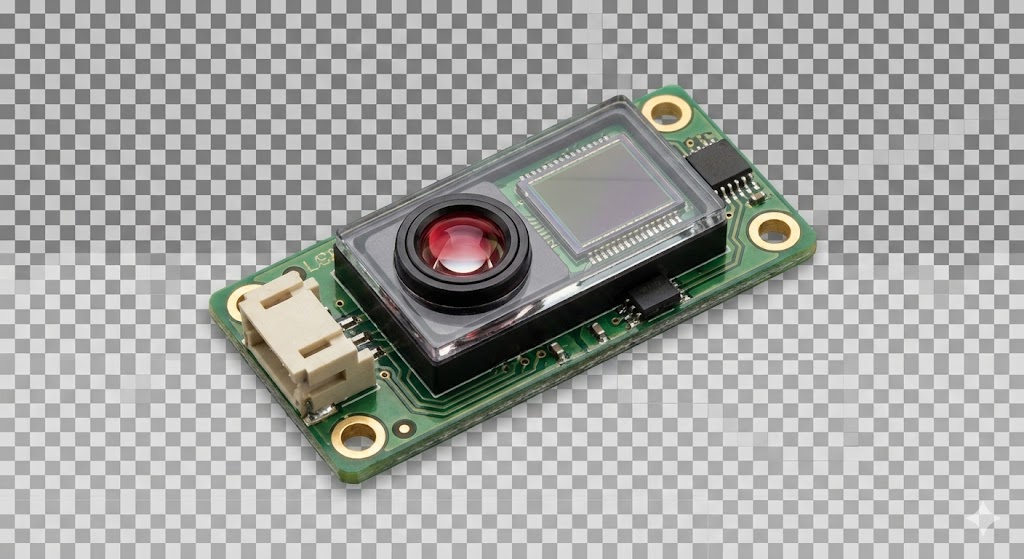
Looking ahead, the convergence of laser sensors with artificial intelligence and edge computing promises even greater collaborative breakthroughs. AI algorithms can analyze sensor data in real-time, enabling adaptive control systems that learn from environmental inputs. This evolution will unlock new applications in sectors like agriculture, where laser sensors monitor crop health, or in energy, where they optimize renewable resource management.
In conclusion, laser sensors represent a dynamic frontier for industrial collaboration, offering unparalleled precision and versatility. By embracing cooperative strategies—from R&D partnerships to integrated system deployments—industries can accelerate innovation and achieve sustainable growth. As we advance into an era of interconnected smart technologies, the role of laser sensors will only become more integral, shaping the future of automation and beyond.
