In the rapidly evolving landscape of industrial automation and control systems, proximity sensors stand as critical components for detecting the presence or absence of objects without physical contact. Their applications span from assembly lines and robotic arms to safety systems and material handling. For engineers, procurement specialists, and maintenance managers, sourcing high-quality proximity sensors is not merely a purchase but a strategic decision impacting operational efficiency, safety, and bottom-line costs. This guide provides a detailed roadmap on where to procure these essential devices, focusing on channels that guarantee reliability, technical support, and value.
The primary and most reliable channel for purchasing industrial-grade proximity sensors is through authorized distributors and direct manufacturers. Leading global manufacturers like Siemens, Omron, Schneider Electric, Rockwell Automation (Allen-Bradley), and Pepperl+Fuchs maintain extensive networks of certified distributors. Purchasing through these authorized channels ensures you receive genuine products with full manufacturer warranties, access to detailed technical datasheets, and compliance with international standards (e.g., IEC, NAMUR). These distributors often employ application engineers who can provide pre-sales consultation, helping you select the correct sensor type—inductive, capacitive, ultrasonic, or photoelectric—based on your specific material, sensing range, and environmental conditions (IP ratings, temperature extremes). For large-scale OEM projects or plant-wide retrofits, engaging directly with the manufacturer's sales team can facilitate volume pricing, custom configurations, and long-term supply agreements.
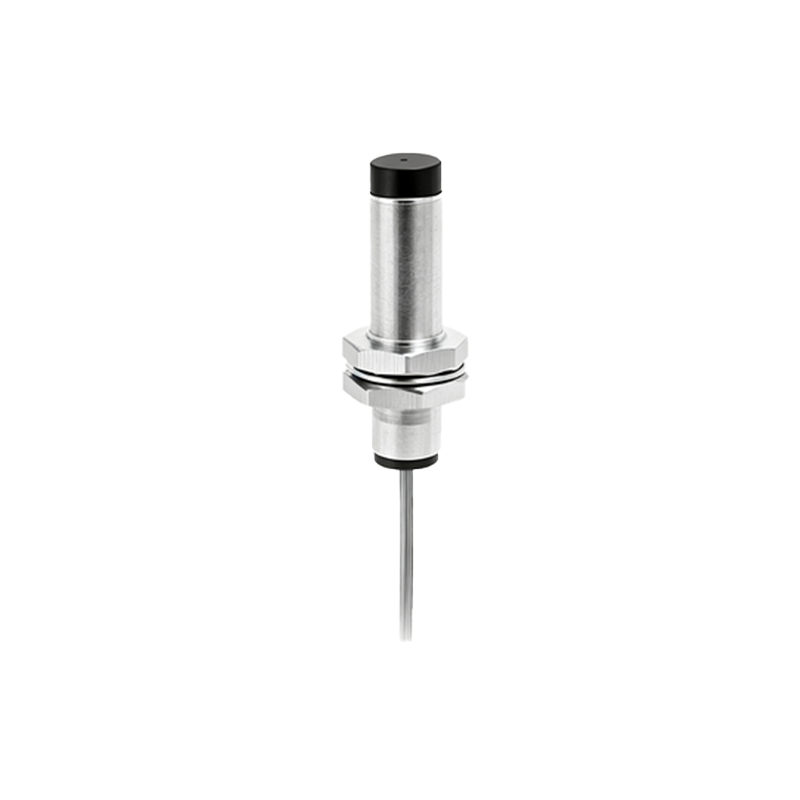
Specialized industrial automation and electrical suppliers represent another vital source. Companies like RS Components, Digi-Key Electronics, and Grainger (in North America) offer vast online catalogs with powerful parametric search filters. This allows engineers to quickly narrow down options by sensing distance, output type (PNP/NPN, analog, IO-Link), housing material (stainless steel, brass, PBT), and connection style (cable or connector). These suppliers excel in providing rapid delivery for both prototype development and urgent maintenance, repair, and operations (MRO) needs. Their platforms often include user reviews, comparative charts, and downloadable CAD models, streamlining the integration into design software. However, it is crucial to verify the stock is sourced from authorized channels to avoid counterfeit components.
For engineers seeking highly specialized or cost-effective solutions, particularly in high-volume applications, exploring dedicated sensor manufacturers and niche suppliers is advisable. Companies like Balluff, Turck, ifm efector, and SICK specialize in sensor technology and often offer innovative products with advanced diagnostics and networking capabilities like IO-Link. Meanwhile, for standard applications or budget-conscious projects, reputable suppliers from established manufacturing regions offer reliable alternatives. It is imperative to request samples for rigorous testing in the actual application environment before committing to a bulk order. Evaluate performance for consistency, repeatability, and resilience to electrical noise or physical shock.
The digital marketplace has grown significantly, with major platforms like Amazon Business and eBay hosting industrial sellers. While convenient for small-quantity purchases or hobbyist projects, extreme caution is advised for critical industrial use. The risk of receiving counterfeit, refurbished, or sub-spec products is notably higher. If using these platforms, prioritize sellers who are explicitly listed as authorized distributors and scrutinize product reviews and return policies. The lack of expert technical support on these general platforms is a significant drawback for complex applications.
Beyond the point of sale, consider the total cost of ownership. A reputable supplier provides comprehensive post-purchase support, including detailed documentation, application notes, and accessible technical support for troubleshooting. Availability of spare parts and repair services extends the lifecycle of your assets. Therefore, your procurement decision should balance initial unit cost with long-term reliability, support, and the potential cost of unplanned downtime. Establishing a relationship with a trusted supplier who understands your operational context is an invaluable asset.
In conclusion, the optimal procurement path for proximity sensors depends on project criticality, volume, and technical complexity. For mission-critical industrial automation, authorized distributors and direct manufacturer channels offer unmatched security and support. For MRO and prototyping, large industrial suppliers provide speed and selection. Always prioritize verified supply chains, demand technical data for validation, and test samples proactively. A strategic approach to sourcing these pivotal components fortifies system integrity and drives sustainable operational excellence.