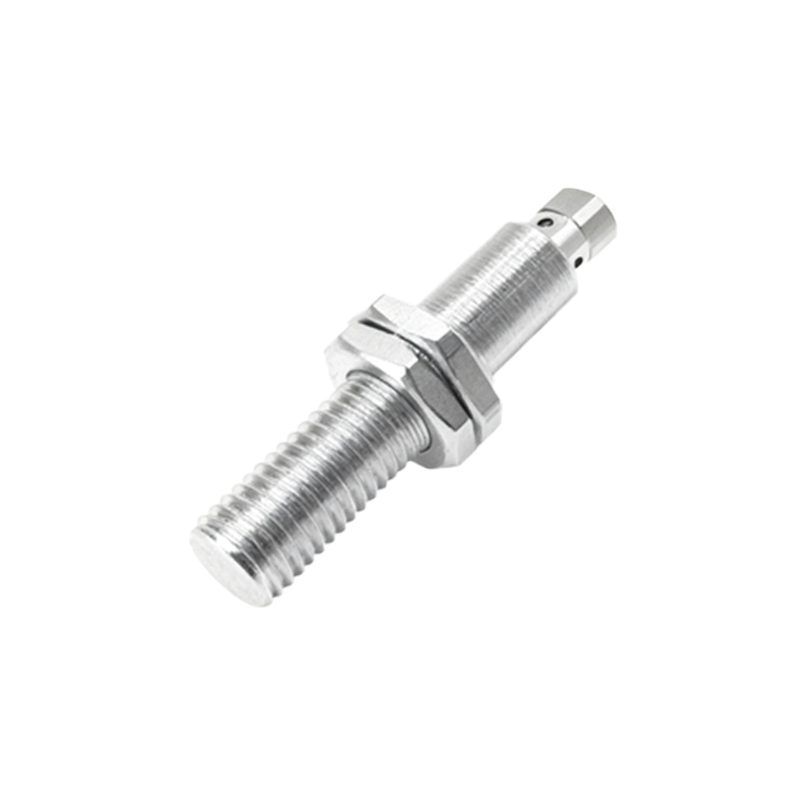
In the realm of industrial automation and control systems, proximity switches are indispensable components for detecting the presence or absence of objects without physical contact. Among the various technologies employed, resistive sensor proximity switches hold a unique position due to their simplicity, reliability, and cost-effectiveness. This article delves into the operational principles, typical applications, advantages, limitations, and key selection criteria for these devices, providing a comprehensive overview for engineers and technical decision-makers.
The fundamental principle behind a resistive proximity switch is based on the change in electrical resistance when an object enters its sensing field. Unlike inductive or capacitive sensors that rely on electromagnetic or electrostatic fields, resistive sensors typically function through direct or indirect physical contact that alters a conductive path. A common implementation involves a two-electrode system. In the absence of a target, the resistance between the electrodes is very high, often in the megaohm range, representing an open circuit state. When a conductive object bridges the gap between the electrodes, it creates a lower-resistance path, allowing current to flow. This significant drop in resistance is detected by the switch's internal circuitry, which then triggers an output signal change—typically closing or opening a solid-state or electromechanical switch.
The construction of these sensors is often straightforward. They may consist of exposed metal probes, foil strips, or specially designed contact surfaces. Some variants are encapsulated in robust housings with only the sensing faces exposed, protecting the internal components from harsh environments like dust, moisture, or chemical splashes. The sensing material itself is crucial; it must be corrosion-resistant and maintain stable electrical characteristics over time. Common materials include stainless steel, nickel-plated brass, or specialized conductive polymers.
One of the primary applications for resistive proximity switches is in liquid level detection. They are extensively used to sense the presence or absence of conductive liquids in tanks, reservoirs, and processing vessels. When the liquid rises to cover the sensor's probes, it completes the circuit, signaling a high-level condition. Conversely, when the level drops below the probes, the circuit opens, indicating a low level. This makes them ideal for simple pump control, overflow prevention, and low-level alarms in water treatment, chemical processing, and food and beverage industries. Their advantage here over float switches is the lack of moving parts, reducing maintenance and failure points.
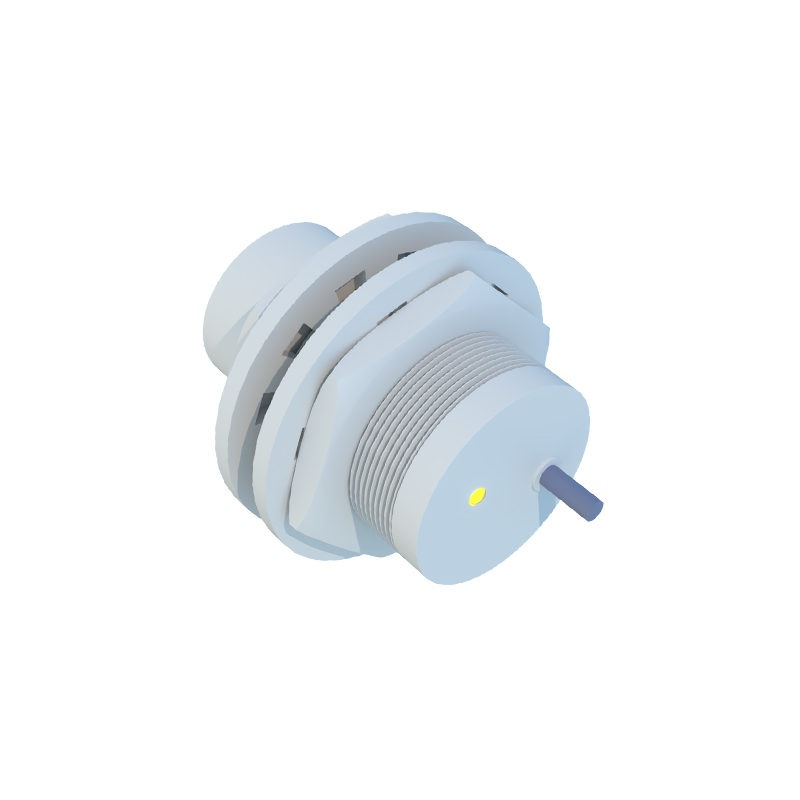
Another significant application is in object detection on conveyor systems, particularly for conductive materials like metals or carbon-filled products. They can serve as simple counters or as part of a system to trigger actuators, gates, or sorting mechanisms. Furthermore, they find use in safety and interlock systems. For instance, a resistive mat or strip installed on a machine guard can detect if an operator is standing too close or if a guard door is properly closed, based on the change in resistance when pressure is applied, bridging micro-conductive elements.
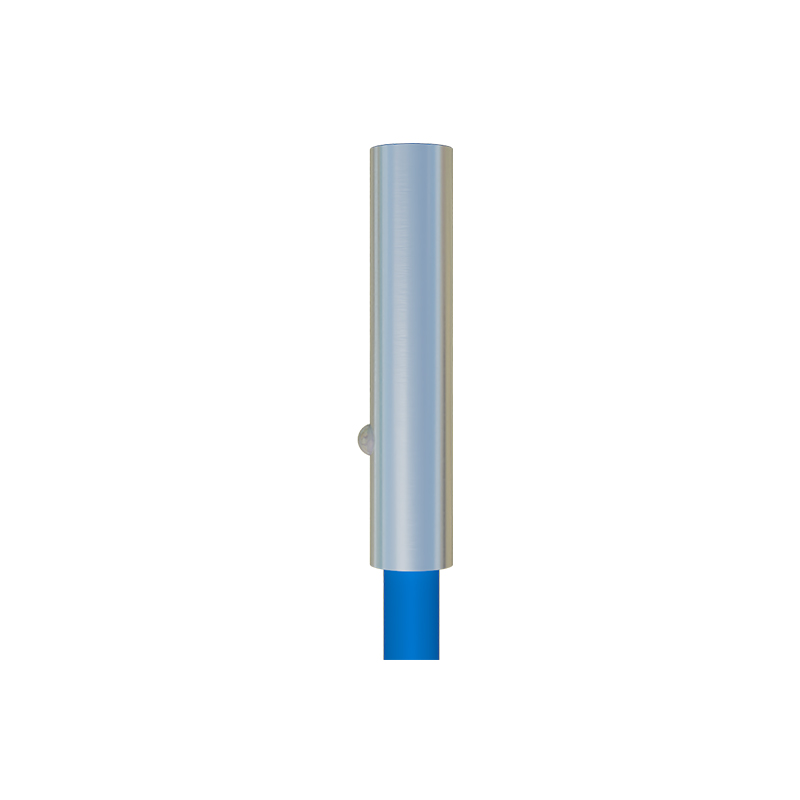
The advantages of resistive sensor proximity switches are compelling. Their principle of operation is simple and easy to understand, leading to straightforward troubleshooting. They are generally low-cost compared to more sophisticated inductive or ultrasonic sensors. For detecting conductive liquids, they offer a direct and reliable method without being affected by factors like transparency, color, or dielectric constant, which can challenge optical or capacitive sensors. Their design can be very compact, allowing installation in tight spaces.
However, engineers must also consider their limitations. The most notable is the requirement for the target to be electrically conductive. This restricts their use to metals, conductive liquids, or specially treated materials. They are not suitable for detecting plastics, glass, wood, or most non-conductive solids. The sensing performance can also be influenced by surface contamination. For example, an oily film on a metal part or mineral scaling on liquid level probes can insulate the contact surface, leading to detection failures. In liquid applications, the conductivity of the fluid must be within the sensor's specified range; pure deionized water, for instance, may not trigger a standard sensor. Additionally, the physical contact or very close proximity required can lead to wear and tear on the sensor face over time, especially in abrasive environments.
Selecting the right resistive proximity switch requires careful analysis of the application parameters. First, define the target material and its conductivity. The sensor must be rated for the specific conductivity range. Second, consider the environmental conditions: temperature extremes, potential for chemical exposure, pressure, and the presence of particulates. The sensor's housing material and ingress protection (IP) rating must be suitable. Third, evaluate the required output type. Common outputs include discrete DC signals (PNP/NPN), relay contacts, or analog signals proportional to the degree of contact/resistance change. The supply voltage must match the control system's available power. Fourth, the response time and switching frequency should be adequate for the process speed. Finally, physical characteristics like size, shape, mounting style (threaded barrel, flat surface), and connection type (cable, connector) are