In the realm of industrial automation, proximity sensors stand as the silent, vigilant sentinels, often hailed as the "Eyes of Automation." These sophisticated devices detect the presence or absence of objects without any physical contact, enabling seamless and efficient operations across countless applications. From automotive assembly lines to food packaging plants, their role is indispensable.
Proximity sensors operate on various principles, primarily inductive, capacitive, and photoelectric. Inductive sensors are ideal for detecting metallic objects, utilizing electromagnetic fields to sense ferrous and non-ferrous metals. They are robust, resistant to harsh environments, and widely used in machinery where metal parts are prevalent. Capacitive sensors, on the other hand, can detect both metallic and non-metallic materials, including liquids, plastics, and wood, by measuring changes in capacitance. This versatility makes them perfect for level detection or handling diverse materials in production. Photoelectric sensors use light beams to detect objects, offering long-range sensing and high precision, suitable for clean environments like electronics manufacturing.
The advantages of proximity sensors are manifold. Their non-contact nature eliminates wear and tear, ensuring longevity and reducing maintenance costs. They provide high-speed response, crucial for fast-paced industrial processes where milliseconds matter. Additionally, their reliability in dusty, wet, or extreme temperature conditions makes them a cornerstone of modern automation systems. For instance, in automotive welding robots, inductive sensors precisely position components, while in bottling plants, capacitive sensors monitor liquid levels to prevent overflow.
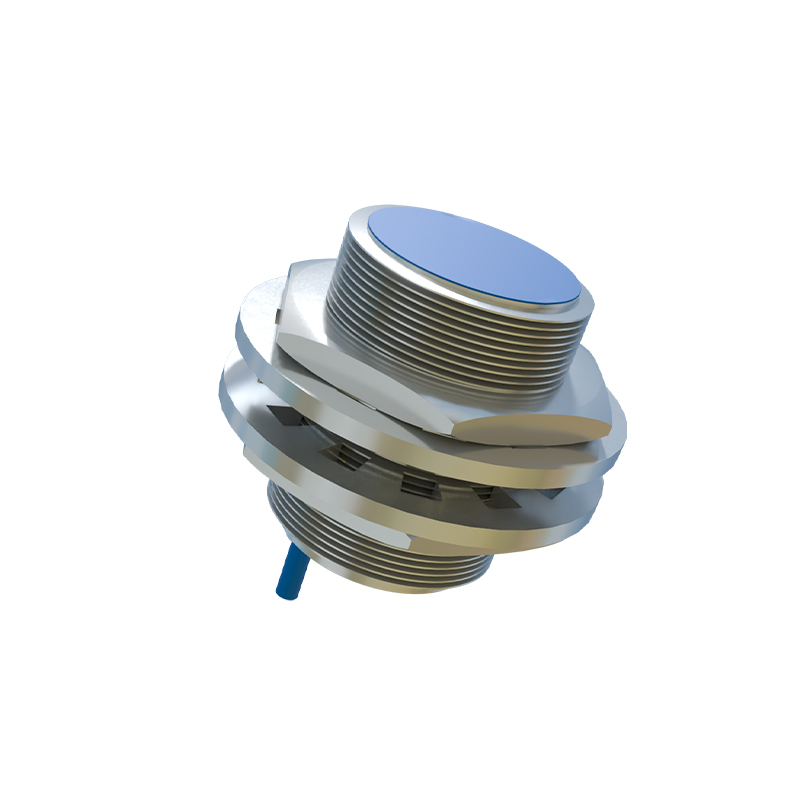
When selecting a proximity sensor, engineers must consider factors such as sensing range, material type, environmental conditions, and output requirements. A sensor with a short range might suffice for tight spaces, whereas long-range photoelectric sensors are better for conveyor belt monitoring. It's also essential to choose between analog and digital outputs based on the control system's needs. Regular calibration and adherence to manufacturer guidelines ensure optimal performance and safety.
In conclusion, proximity sensors are the unsung heroes of industrial automation, providing the critical vision needed for precision and efficiency. As technology advances, these sensors continue to evolve, incorporating smart features like IoT connectivity and self-diagnosis, further enhancing their role in the Industry 4.0 landscape. Embracing their capabilities can lead to smarter, more resilient operations, driving productivity to new heights.