Proximity sensors are indispensable components in modern industrial automation, providing non-contact detection of objects within their sensing range. These devices enhance efficiency, safety, and precision in various applications, from manufacturing lines to robotics. Understanding the different types of proximity sensors is crucial for selecting the right technology for specific operational needs. This article explores the primary categories of proximity sensors, their working principles, and typical use cases.
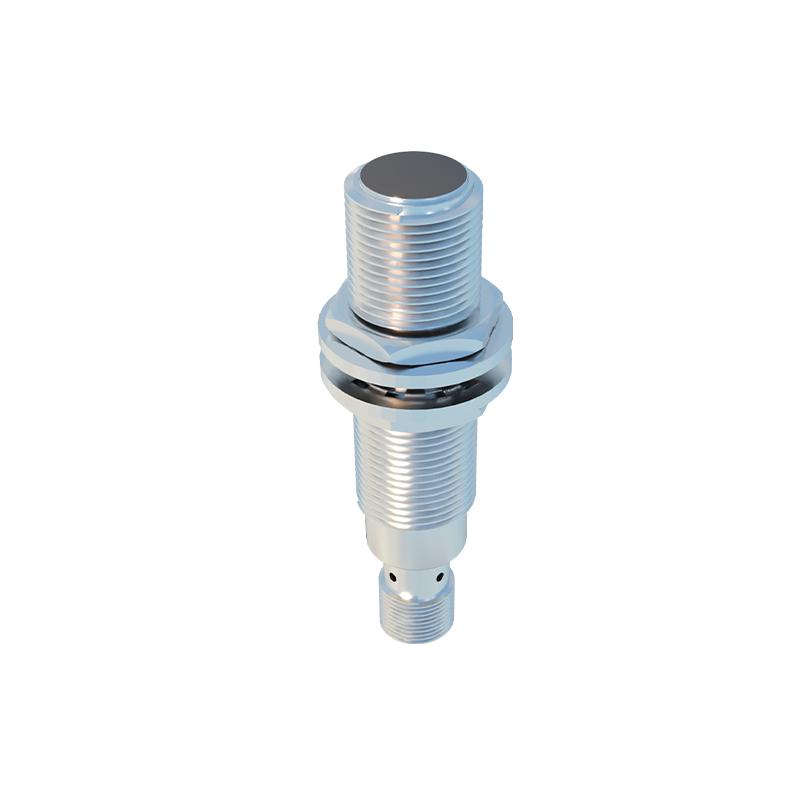
Inductive proximity sensors are widely used for detecting metallic objects. They operate based on electromagnetic induction, where an oscillator generates a high-frequency magnetic field. When a metal target enters this field, eddy currents are induced, causing a change in the oscillator's amplitude. This change triggers the sensor's output circuit, signaling the presence of the object. Inductive sensors are robust, resistant to environmental factors like dust or moisture, and ideal for applications such as metal detection in conveyor systems, position sensing in machinery, and part counting in automotive assembly. Common sensing ranges vary from a few millimeters to about 60 millimeters, with factors like target material and size influencing performance.
Capacitive proximity sensors can detect both metallic and non-metallic materials, including liquids, plastics, and wood. They function by measuring changes in capacitance between the sensor's electrode and the target object. An oscillator circuit creates an electrostatic field, and when an object enters this field, the capacitance alters, leading to a shift in oscillation amplitude that activates the output. These sensors are versatile, suitable for level detection in tanks, material handling in packaging, and presence sensing of non-metallic items. However, they can be sensitive to environmental conditions like humidity or temperature fluctuations, requiring careful calibration. Sensing distances typically range up to 25 millimeters, depending on the dielectric constant of the target.
Ultrasonic proximity sensors use sound waves to detect objects, making them effective for a wide range of materials and surfaces. They emit high-frequency ultrasonic pulses and measure the time taken for echoes to return after hitting an object. By calculating the time-of-flight, the sensor determines the distance to the target. These sensors excel in applications requiring long-range detection (up to several meters) or challenging environments with dust, smoke, or varying light conditions. Common uses include distance measurement in logistics, object detection in automated guided vehicles (AGVs), and liquid level monitoring. However, they may be affected by factors like air turbulence or soft materials that absorb sound waves.
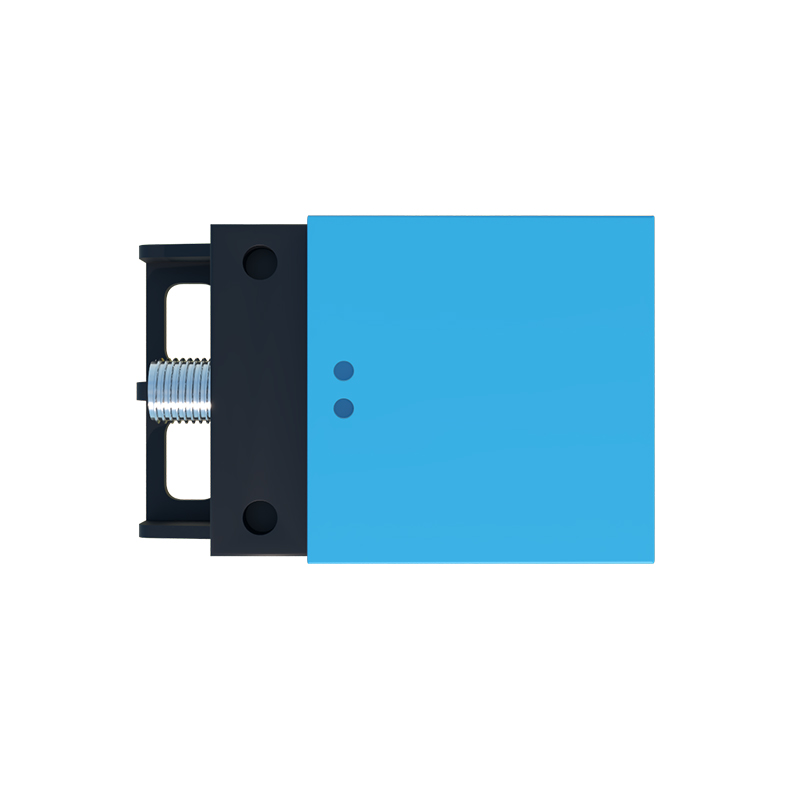
Magnetic proximity sensors detect the presence of magnetic fields, typically from permanent magnets. They rely on reed switches or Hall effect elements that respond to changes in magnetic flux. When a magnet approaches, the sensor activates, providing a reliable signal. These sensors are simple, durable, and often used in harsh environments where other sensors might fail, such as in high-temperature or corrosive settings. Applications include position sensing in cylinders, door closure detection in safety systems, and speed monitoring in rotating machinery. Their sensing range is generally limited to a few centimeters, but they offer high precision and low power consumption.
Photoelectric proximity sensors utilize light beams to detect objects. They consist of an emitter (usually an LED or laser) and a receiver. When an object interrupts or reflects the light beam, the receiver detects the change, triggering the output. These sensors come in various configurations: through-beam (separate emitter and receiver), retro-reflective (using a reflector), and diffuse (reflective) types. They are highly accurate and capable of long sensing distances (up to tens of meters), making them suitable for applications like object counting, edge detection in printing, and presence sensing in cleanrooms. However, they can be influenced by ambient light or transparent materials, necessitating proper shielding and alignment.
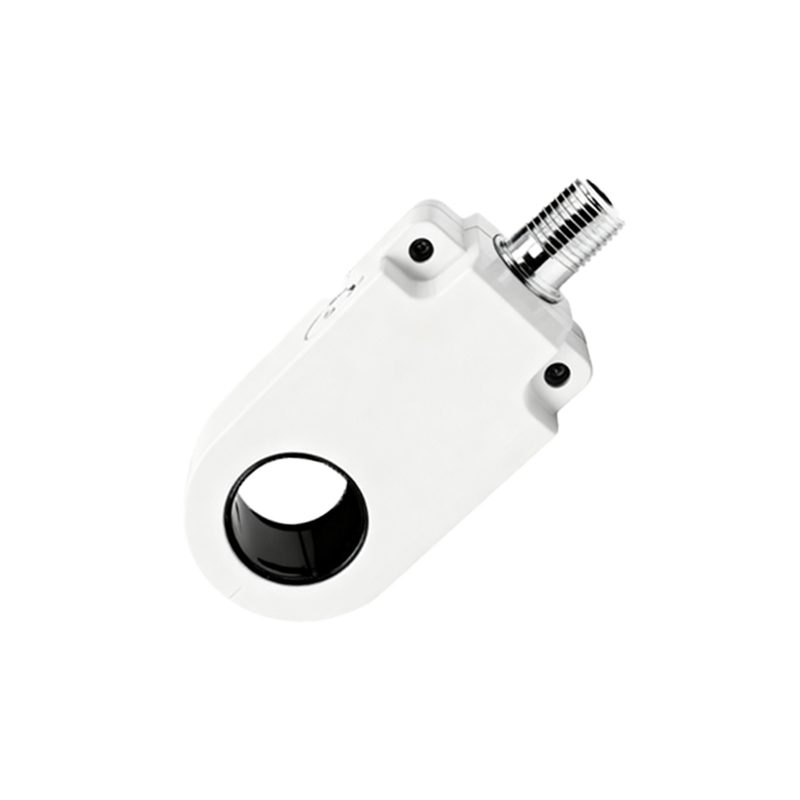
In summary, the choice of proximity sensor depends on factors such as target material, environmental conditions, required sensing range, and application specifics. Inductive sensors are best for metals, capacitive for diverse materials, ultrasonic for long-range or harsh settings, magnetic for reliability in tough conditions, and photoelectric for precision and versatility. By leveraging these technologies, industries can optimize automation processes, reduce downtime, and improve overall productivity. As technology advances, smart sensors with integrated diagnostics and connectivity are emerging, further enhancing their role in Industry 4.0 and IoT-driven systems.