Proper installation of laser dust sensors is critical for ensuring accurate, reliable, and long-term monitoring of particulate matter in industrial environments. These sensors, which operate on the principle of laser scattering, are highly sensitive to installation conditions, alignment, and ambient factors. A flawed installation can lead to significant measurement errors, reduced sensor lifespan, or complete failure. This guide outlines key technical considerations and step-by-step procedures for optimal sensor deployment.
First, select an appropriate mounting location. The sensor should be installed in a representative area where air flow is consistent and well-mixed, avoiding dead zones, corners, or areas directly influenced by ventilation outlets, machinery exhaust, or heavy turbulence. The sampling point should be easily accessible for maintenance but protected from direct physical impact, excessive vibration, and weather elements if installed outdoors. Ideally, the sensor must be mounted on a stable surface using the provided brackets or custom fixtures that minimize mechanical stress on the housing.

Ensure correct orientation and alignment. Most laser dust sensors have designated inlet and outlet ports for sampled air. The inlet should face the direction of primary air movement, and the sensor should be mounted horizontally or as specified by the manufacturer to prevent particle settlement inside the optical chamber. Misalignment can cause uneven laser path distribution or accumulation of debris on critical components, degrading performance. Use a leveling tool during installation to confirm proper orientation.
Pay close attention to environmental conditions. Laser dust sensors are sensitive to extreme temperatures, high humidity, and condensation. Operating outside the specified temperature and humidity ranges can cause lens fogging, electronic drift, or permanent damage. If installing in harsh conditions, consider using protective enclosures, heating elements, or desiccant systems to maintain a stable internal environment. Additionally, avoid locations with strong electromagnetic interference from motors, transformers, or high-frequency equipment, as this may affect signal integrity.

Follow proper electrical and pneumatic connections. Power supply voltage must match the sensor’s requirements, with stable, clean power to prevent voltage spikes or noise. Use shielded cables for signal transmission and ensure all connections are secure and corrosion-resistant. For sensors requiring sample air draw, connect appropriate tubing to the inlet/outlet ports, ensuring it is clean, airtight, and of suitable length to minimize pressure drop. If an external pump is used, calibrate flow rate to the sensor’s specification—typically between 0.5 to 2.0 liters per minute—as incorrect flow can skew particle count readings.
Implement calibration and verification post-installation. After physical installation, power on the sensor and allow sufficient warm-up time (usually 15-30 minutes) for the laser and electronics to stabilize. Perform a zero-point calibration using clean, particle-free air if the sensor supports it. Then, validate readings against a reference instrument or known standard, especially if the sensor is used for regulatory compliance. Document baseline performance metrics for future comparison.
Routine maintenance is integral to sustained accuracy. Establish a schedule for inspecting and cleaning the sensor’s optical window, inlet filter, and tubing. Accumulated dust on the lens can scatter laser light erroneously, leading to false high readings. Use recommended cleaning tools such as compressed air, soft brushes, or lint-free wipes with appropriate solvents. Never touch optical surfaces directly. Also, periodically check for firmware updates from the manufacturer to benefit from performance improvements.
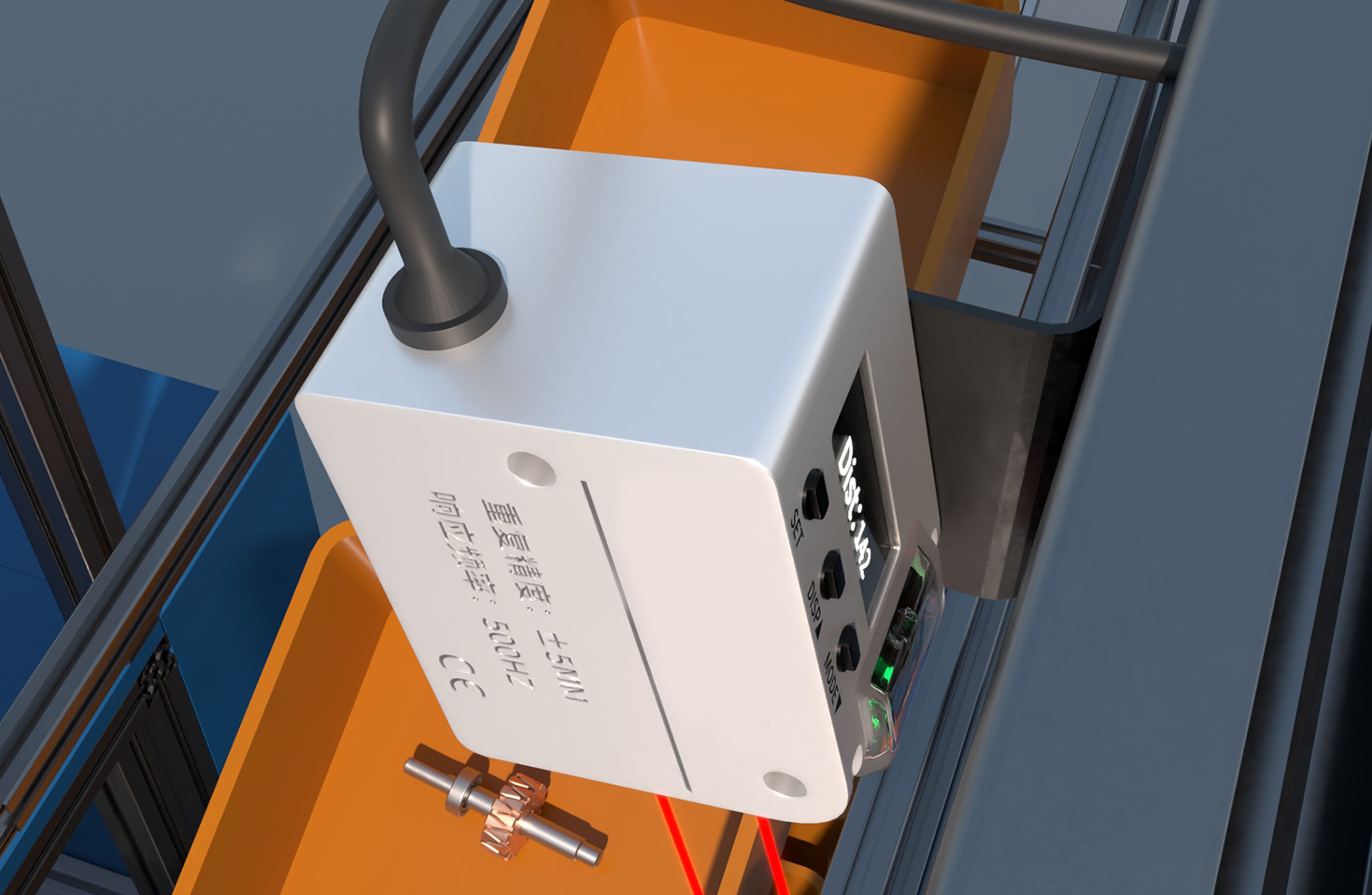
In summary, meticulous planning, adherence to manufacturer guidelines, and attention to environmental and operational details are essential for successful laser dust sensor installation. A well-installed sensor not only delivers precise particulate data but also reduces downtime, maintenance costs, and the risk of non-compliance in industrial air quality monitoring.