Infrared proximity sensors have become indispensable components in a wide range of electrical and automation applications. These devices operate on the principle of emitting infrared light and detecting its reflection from nearby objects, allowing for non-contact distance measurement and object detection. As an electrical engineer, it is crucial to grasp both the theoretical foundations and practical implementations of these sensors to optimize system design and performance.
The core mechanism involves an IR emitter, typically an LED, which transmits infrared radiation. When an object enters the sensing range, the emitted IR light reflects off the surface and is captured by a photodetector, such as a phototransistor or photodiode. The sensor's circuitry then processes the reflected signal to determine proximity or distance. Key parameters influencing performance include the wavelength of the IR light (commonly around 850–950 nm for optimal sensitivity), the emission angle, and the ambient light immunity. Modern sensors often incorporate modulation techniques—such as pulsing the IR signal at a specific frequency—to filter out interference from natural light sources, enhancing reliability in diverse environments.
In industrial automation, IR proximity sensors are deployed for tasks like object counting on conveyor belts, position sensing in robotic arms, and safety barriers in machinery. Their ability to function without physical contact minimizes wear and tear, reducing maintenance needs. For instance, in assembly lines, these sensors ensure precise component placement by detecting the presence of parts before robotic actuators engage. Additionally, in consumer electronics, they enable features like automatic screen dimming in smartphones when held close to the ear during calls, conserving battery life.
When integrating IR proximity sensors, engineers must consider factors such as sensing range, response time, and environmental conditions. Materials with low reflectivity (e.g., dark or matte surfaces) can challenge detection accuracy, necessitating calibration or sensor fusion with other technologies like ultrasonic sensors. Power consumption is another critical aspect, especially in battery-operated devices. Advanced models now offer low-power modes and digital outputs (I2C or SPI interfaces) for seamless microcontroller integration, simplifying circuit design.
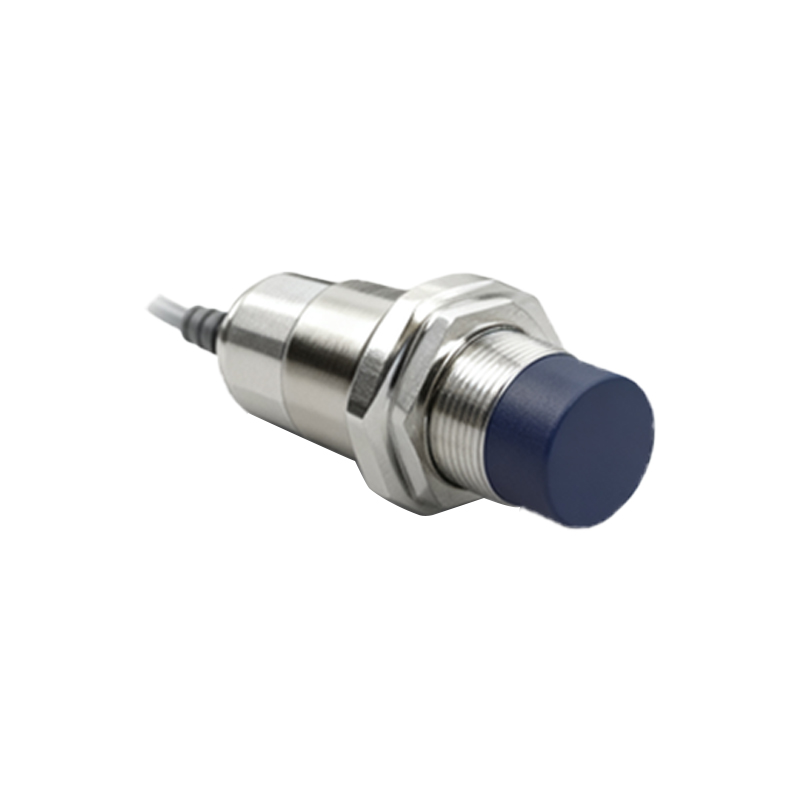
From a design perspective, proper shielding and housing are essential to prevent crosstalk between the emitter and detector, which could cause false triggers. Engineers should also account for temperature variations, as extreme conditions may affect IR component sensitivity. Regular testing under real-world scenarios—such as varying light levels and object types—ensures robust performance. As the Internet of Things (IoT) expands, IR proximity sensors are increasingly embedded in smart systems, contributing to energy efficiency and automation in buildings, vehicles, and wearable devices.
Looking ahead, innovations like multi-element arrays and AI-driven signal processing promise to enhance resolution and adaptability. For electrical professionals, staying updated on these trends is vital for designing next-generation solutions that leverage IR proximity sensing for improved safety, efficiency, and user experience.