In industrial automation, selecting the right TL proximity sensor is crucial for ensuring reliable operation, safety, and efficiency. TL proximity sensors, known for their non-contact detection capabilities, are widely used in various applications such as material handling, assembly lines, and robotic systems. This guide provides a comprehensive overview of key factors to consider during the selection process, helping engineers make informed decisions.
First, understand the operating principle. TL proximity sensors typically utilize inductive, capacitive, or magnetic technologies. Inductive sensors are ideal for detecting metallic objects, offering high precision and durability in harsh environments. Capacitive sensors can detect both metallic and non-metallic materials, making them suitable for liquid level sensing or plastic part detection. Magnetic sensors are used for sensing magnetic fields, often in conjunction with magnets for position detection. Choose the technology based on the target material and application requirements.
Next, consider the sensing range and mounting constraints. TL proximity sensors come in various ranges, from a few millimeters to several centimeters. Ensure the selected sensor's range matches the distance to the target object in your setup. Additionally, factor in mounting options—flush-mounted sensors are space-saving but may have reduced ranges, while non-flush sensors offer longer ranges but require more installation space. Always verify the sensor's housing material and size to fit the mechanical design.
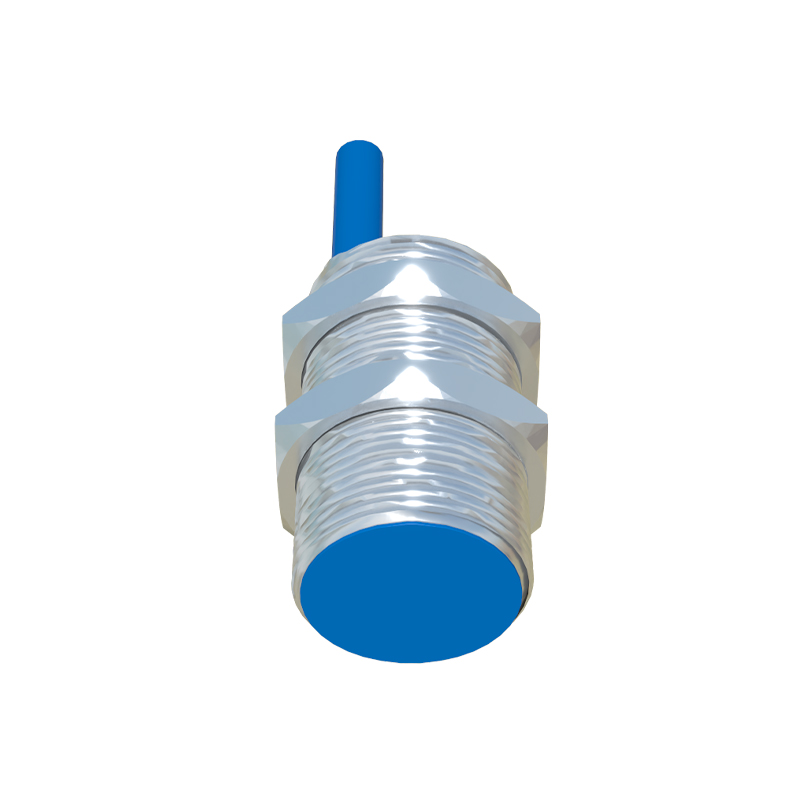
Environmental conditions play a significant role. Industrial settings often involve exposure to dust, moisture, temperature extremes, or electromagnetic interference. Look for sensors with appropriate IP (Ingress Protection) ratings, such as IP67 or IP68, for resistance to water and dust. Temperature ratings should align with the operating environment, typically ranging from -25°C to 70°C for standard models. For high-vibration areas, select sensors with robust construction and shock resistance.
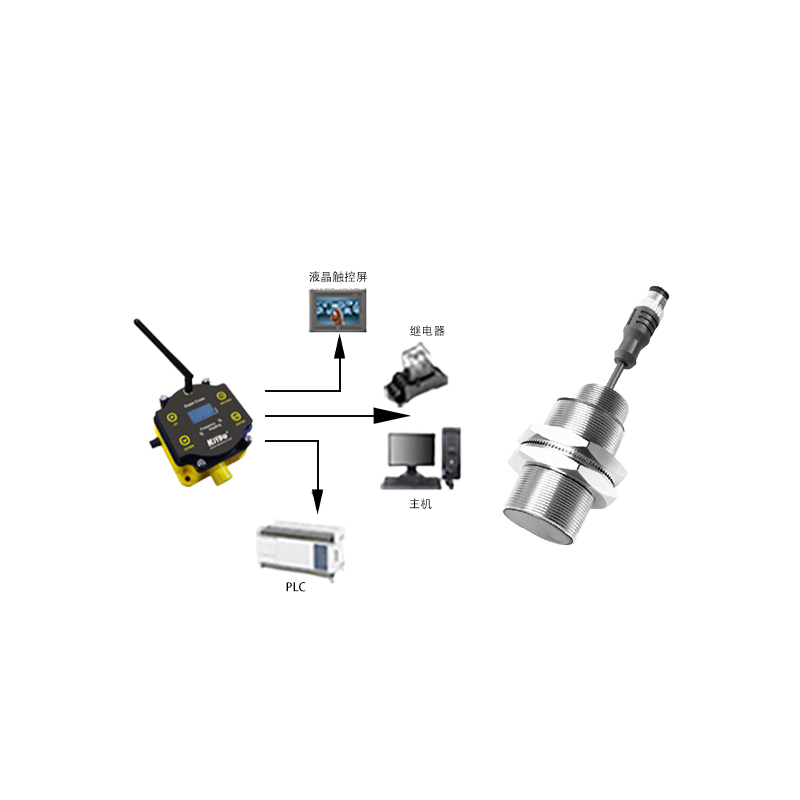
Electrical specifications are equally important. Check the supply voltage (e.g., 10-30V DC) and output type (e.g., NPN, PNP, or analog). NPN outputs are common in sinking configurations, while PNP outputs are used in sourcing setups. Ensure compatibility with your control system, such as PLCs or microcontrollers. Response time and switching frequency should meet the speed requirements of your application to avoid delays in detection cycles.
Finally, evaluate additional features like LED indicators for diagnostics, short-circuit protection, and noise immunity. Some TL sensors offer adjustable sensitivity or teach-in functions for flexible calibration. Always refer to manufacturer datasheets for detailed specifications and conduct real-world testing if possible. By carefully assessing these factors—technology, range, environment, electrical needs, and features—you can optimize performance and longevity in your automation projects.
In summary, TL proximity sensor selection involves a balanced approach tailored to specific industrial needs. Prioritize reliability and compatibility to enhance system efficiency and reduce downtime. For complex applications, consult with suppliers or technical experts to ensure the best fit. With proper selection, TL sensors can significantly contribute to seamless and safe automation processes.