Universal proximity sensors have become indispensable components in modern industrial automation, offering non-contact detection capabilities across diverse environments. These sensors, manufactured by specialized companies worldwide, utilize various technologies including inductive, capacitive, ultrasonic, and photoelectric principles to detect the presence or absence of objects without physical contact. The evolution of proximity sensor manufacturing has been driven by increasing demands for precision, reliability, and adaptability in sectors such as automotive manufacturing, packaging, material handling, and robotics.
Leading universal proximity sensor manufacturers focus on developing products that can operate effectively in challenging conditions, including extreme temperatures, high vibration environments, and exposure to chemicals or moisture. Advanced manufacturing techniques have enabled the production of sensors with enhanced sensing ranges, improved response times, and greater immunity to electrical noise. Many manufacturers now incorporate smart features such as IO-Link communication, diagnostic capabilities, and programmable parameters that allow for easier integration and maintenance within complex industrial systems.
The competitive landscape of proximity sensor manufacturing is characterized by continuous innovation in miniaturization, energy efficiency, and connectivity. Companies are developing increasingly compact sensors that can be installed in space-constrained applications while maintaining or improving performance specifications. Energy-efficient designs have become particularly important as industries seek to reduce overall power consumption in automated facilities. Wireless connectivity options are emerging as manufacturers respond to the growing implementation of Industry 4.0 and IoT frameworks in industrial settings.
Quality control and testing procedures represent critical aspects of proximity sensor manufacturing. Reputable manufacturers implement rigorous testing protocols throughout the production process, including environmental stress testing, electrical performance verification, and longevity assessments. Many companies maintain certification according to international standards such as ISO 9001 for quality management and specific industry certifications for hazardous location applications.
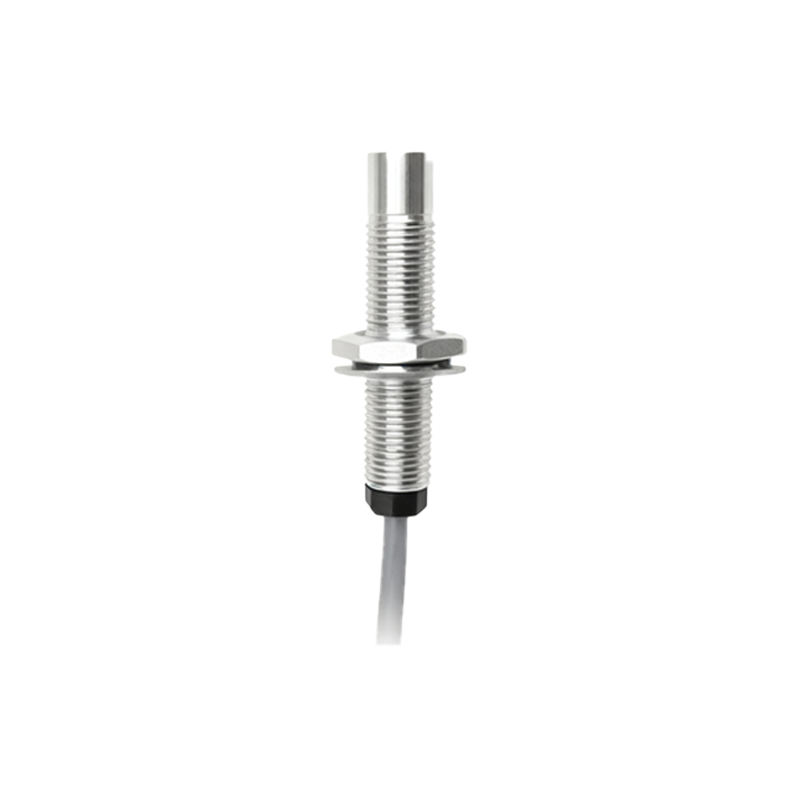
The selection of appropriate proximity sensors requires consideration of multiple factors including sensing distance, target material, environmental conditions, output configuration, and electrical requirements. Manufacturers typically provide comprehensive technical documentation, application guides, and engineering support to assist customers in choosing optimal solutions for their specific needs. Customization services are often available for applications requiring specialized housings, connectors, or sensing characteristics.
As industrial automation continues to advance, universal proximity sensor manufacturers are increasingly focusing on developing sensors with enhanced diagnostic capabilities, predictive maintenance features, and seamless integration with control systems. The future of proximity sensing technology appears poised for further innovation in areas such as multi-parameter sensing, artificial intelligence integration, and enhanced communication protocols that will expand the capabilities and applications of these essential industrial components.