In the realm of industrial automation and machinery control, stall sensors and proximity switches play pivotal roles in ensuring operational safety, efficiency, and reliability. These devices, though distinct in function, are integral to modern electrical and mechanical systems, particularly in sectors such as manufacturing, automotive, and material handling. This article delves into their principles, applications, and key considerations for implementation.
Stall sensors, also known as torque limiters or overload detectors, are designed to monitor the operational status of motors and rotating equipment. They detect when a motor is experiencing a stall condition—a situation where the motor is energized but unable to rotate due to excessive load or mechanical obstruction. Upon detecting a stall, the sensor triggers an alarm or initiates a shutdown to prevent damage to the motor, drive components, or connected machinery. Common types include current-sensing relays that monitor motor current draw, as variations in current often correlate with load changes. For instance, in conveyor systems, a stall sensor can halt operations if a jam occurs, reducing wear and tear and minimizing downtime. Advanced models incorporate programmable logic, allowing for tailored response thresholds based on specific application needs.
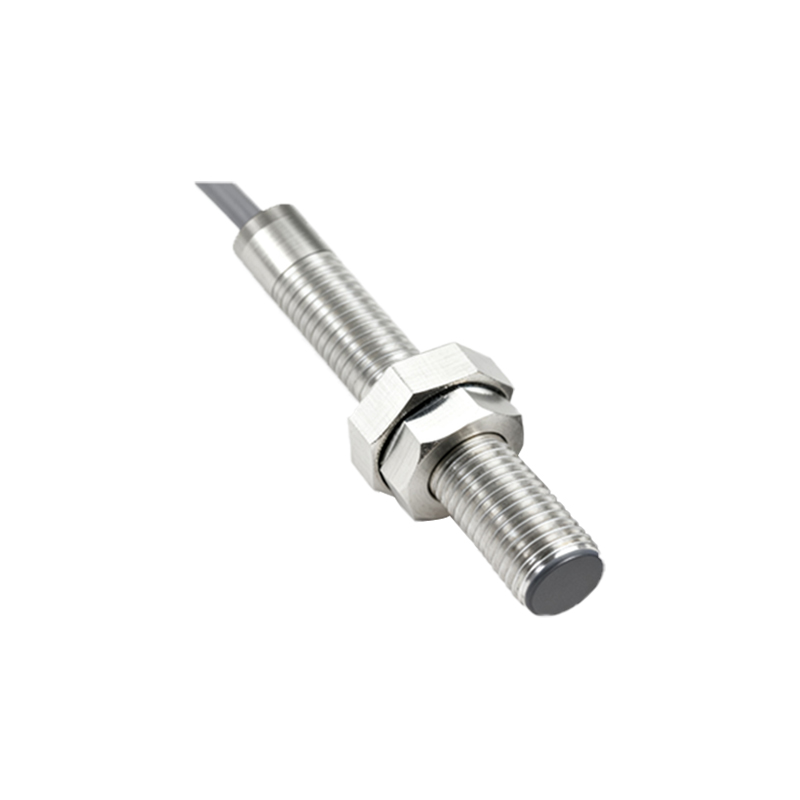
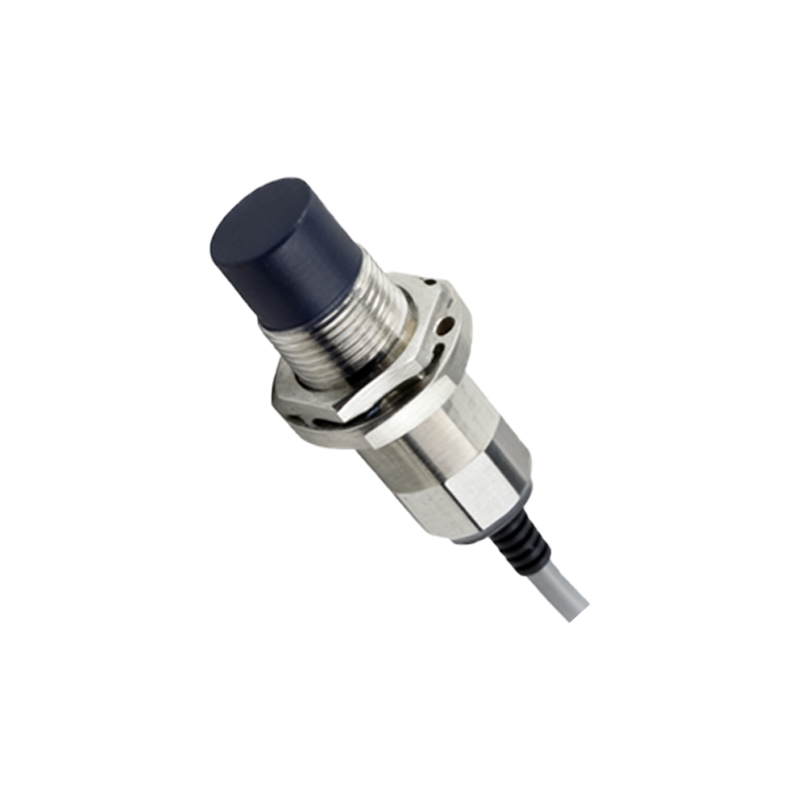
Proximity switches, on the other hand, are non-contact sensors that detect the presence or absence of an object within a defined range. They operate based on electromagnetic, capacitive, or inductive principles, making them ideal for harsh environments where physical contact is impractical. Inductive proximity switches, for example, generate an electromagnetic field and sense metallic objects, while capacitive variants can detect non-metallic materials like plastics or liquids. These switches are widely used in positioning, counting, and safety interlocks. In automated assembly lines, proximity switches ensure precise part placement by signaling when a component reaches a specific location. They also enhance safety by monitoring guard doors or hazardous zones, instantly stopping machinery if an intrusion is detected.
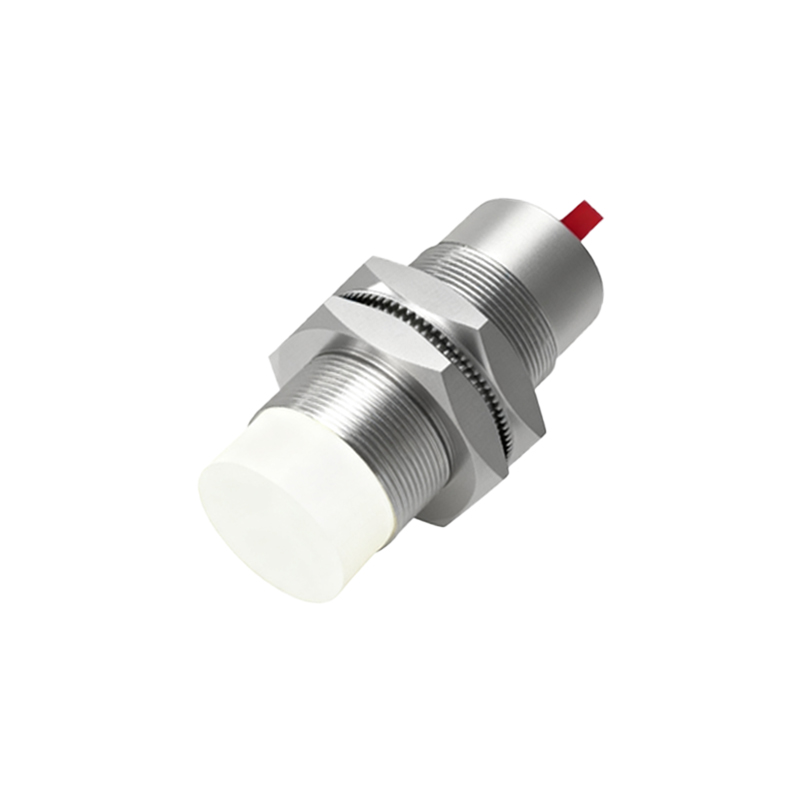
The synergy between stall sensors and proximity switches is evident in complex industrial setups. Consider a robotic arm in an automotive plant: proximity switches verify the correct positioning of parts, while stall sensors monitor the arm's motors for any unexpected resistance, preventing collisions or mechanical failures. Integration with programmable logic controllers (PLCs) and supervisory control and data acquisition (SCADA) systems enables real-time monitoring and data logging, facilitating predictive maintenance and optimizing productivity.
When selecting these devices, engineers must account for factors such as environmental conditions (e.g., temperature, humidity, and exposure to contaminants), response time, and compatibility with existing control systems. For stall sensors, accurate calibration is crucial to avoid false triggers, which can disrupt production. Proximity switches require careful consideration of sensing distance and material composition of target objects. Regular maintenance, including cleaning and testing, ensures longevity and consistent performance.
In summary, stall sensors and proximity switches are indispensable tools in industrial automation. Their ability to enhance safety, prevent equipment damage, and improve operational efficiency underscores their value in today's technology-driven landscape. As industries evolve toward smarter, more connected systems, these sensors will continue to adapt, offering greater precision and integration capabilities for future challenges.