In industrial automation and machinery, proximity sensors play a critical role in detecting the presence or absence of objects without physical contact. Their reliability is paramount for safety, efficiency, and process continuity. A common yet often overlooked threat to this reliability is sensor obstruction. An obstructed sensor can lead to false readings, missed detections, machine downtime, and even safety hazards. Ensuring these sensors remain unobstructed is not merely a maintenance task; it is a fundamental operational imperative.
The primary causes of obstruction vary by environment. In manufacturing settings, common culprits include accumulated dust, metal shavings, coolant spray, grease, and other process debris. In packaging or material handling, stray packaging materials, labels, or product residue can adhere to the sensor face. Environmental factors like condensation, ice formation, or insect ingress can also impair sensor function. Even improper installation, where the sensor is placed too close to moving parts or in the path of falling materials, can lead to physical damage or coating.
The consequences of an obstructed proximity sensor are direct and costly. A sensor coated with grime may fail to detect a passing object, causing a production line jam. In a safety circuit, a blocked sensor might incorrectly signal that a guard door is closed, creating a severe hazard. False positives can trigger unnecessary machine stops, reducing Overall Equipment Effectiveness (OEE). The resulting unplanned downtime for troubleshooting and cleaning translates to lost production and revenue.
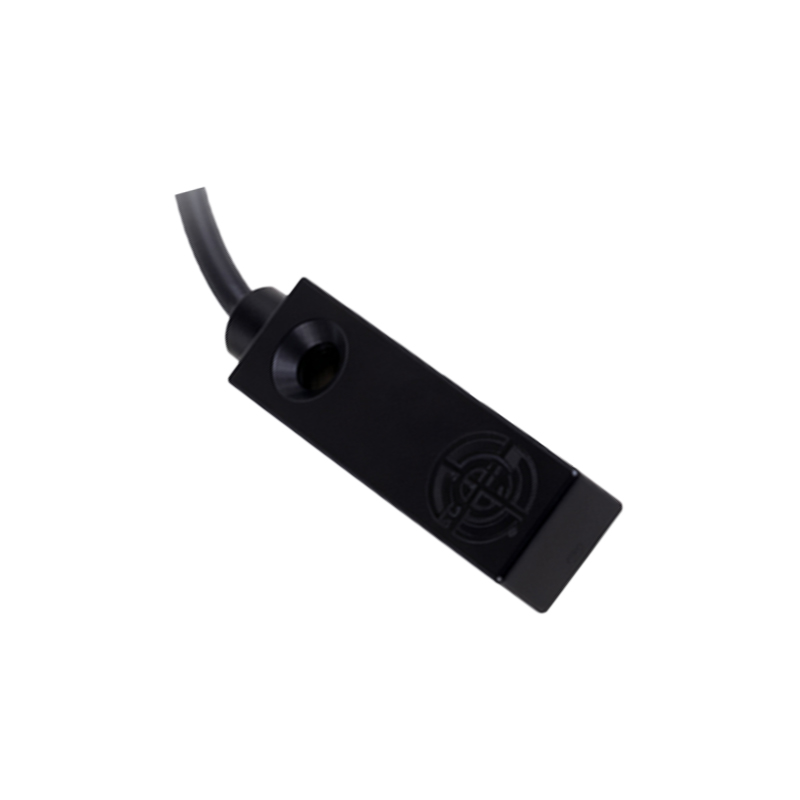
A proactive, multi-layered strategy is essential to prevent obstructions. The first line of defense is correct sensor selection and installation. Choose a sensor with an appropriate Ingress Protection (IP) rating for its environment. For dusty or wet areas, a rating of IP67 or higher is often necessary. Consider the sensing technology; for instance, capacitive sensors might be more susceptible to certain contaminants than inductive sensors. During installation, follow manufacturer guidelines for mounting distance, orientation, and use of recommended brackets. Position sensors away from direct spray paths and areas where debris naturally accumulates. Utilizing a protective baffle or hood can shield the sensor face from direct impact or splatter without significantly affecting its sensing range.
Routine inspection and cleaning form the cornerstone of preventive maintenance. Visual inspections should be integrated into daily or shift-start checklists. Personnel should look for any buildup on the sensor face and its immediate surroundings. Cleaning procedures must be gentle and appropriate. For most sensors, using a soft, lint-free cloth slightly dampened with isopropyl alcohol is effective. Avoid abrasive materials, high-pressure sprays, or solvents that could damage the sensor housing or lens. It is crucial to power down the equipment and follow lockout-tagout (LOTO) procedures before cleaning any sensor.
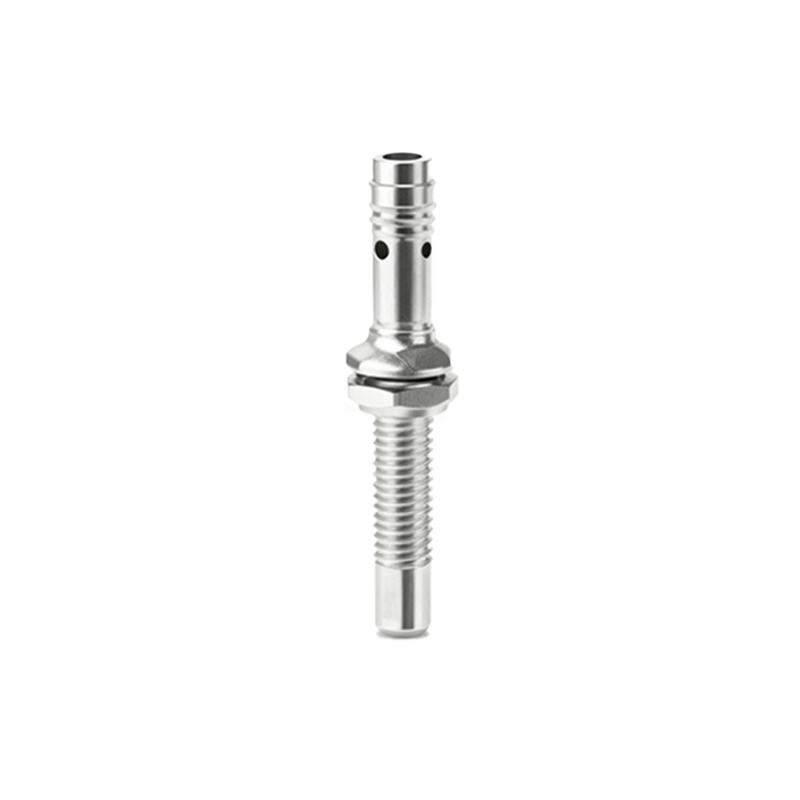
Technological solutions can also enhance reliability. Some modern proximity sensors feature built-in diagnostics, such as an "IO-Link" function, which can monitor signal strength and provide early warnings of potential issues like mounting drift or gradual contamination. For critical applications, redundant sensing systems—using two sensors in a voting logic—can ensure a single point of failure does not halt the process. Additionally, employing self-cleaning sensors, which may use air jets or mechanical wipers, can be a worthwhile investment in extremely harsh environments.
Finally, fostering a culture of awareness among operators and maintenance technicians is vital. Training should emphasize the importance of sensor integrity, how to identify potential obstructions, and the correct response protocols. Clear labeling of sensors and their function on machine HMI screens can help operators quickly identify which sensor is faulting. Documentation of obstruction-related failures and their root causes aids in refining the preventive strategy over time.
In conclusion, the unobstructed operation of proximity sensors is a simple concept with complex implications for plant performance. By combining intelligent sensor selection, strategic installation, disciplined maintenance routines, leveraging available technology, and continuous workforce education, engineers and maintenance teams can significantly mitigate the risk of obstruction. This holistic approach ensures these silent sentinels of automation continue to perform reliably, safeguarding both productivity and personnel.