In the realm of industrial automation and control systems, metal proximity switch sensors stand as fundamental components, enabling non-contact detection of metallic objects with high reliability and precision. These sensors are ubiquitous in applications ranging from assembly lines and robotics to safety interlocks and material handling. This article delves into the core operating principles, types, and key characteristics of metal proximity switch sensors, providing a comprehensive overview for engineers and technicians in the electrical and automation fields.
At its essence, a metal proximity switch sensor is an electronic device designed to detect the presence or absence of a metallic target without physical contact. The absence of mechanical contact eliminates wear and tear, ensuring long operational life and minimal maintenance. The fundamental principle underpinning most industrial metal proximity sensors is electromagnetic induction, specifically utilized in inductive proximity sensors.
Inductive proximity sensors generate an oscillating electromagnetic field via a coil wound around a ferrite core at the sensor's active face. When a metallic object enters this alternating magnetic field, eddy currents are induced on the surface of the target. These eddy currents draw energy from the oscillator circuit, resulting in a measurable change—typically a reduction in the oscillation amplitude. An internal evaluation circuit monitors this change. Once the amplitude drop exceeds a predefined threshold, the sensor's output state switches (e.g., from OFF to ON or vice versa). This detection occurs regardless of the target's motion, making it ideal for counting, positioning, or end-limit detection of metal parts.
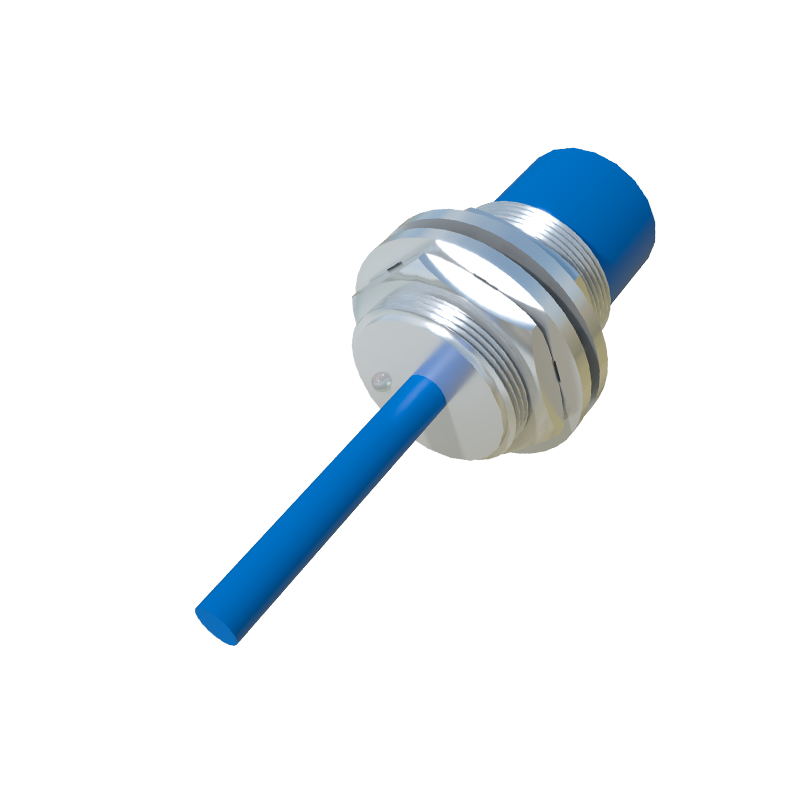
It is crucial to note that different metals affect the sensor's performance differently due to their varying electrical conductivity and magnetic permeability. Ferromagnetic materials (like iron and steel) cause a stronger reaction and thus have a longer nominal sensing distance. Non-ferrous metals (such as aluminum, brass, or copper) have weaker magnetic properties, resulting in a reduced effective sensing range, often necessitating sensor adjustment or selection of models specifically calibrated for non-ferrous detection.
Beyond the common inductive type, other technologies are employed for metal detection in specific contexts. Capacitive proximity sensors can also detect metals by sensing changes in capacitance, though they are equally responsive to non-metallic materials and are influenced by moisture or dirt. For specialized high-precision or long-range applications, sensors based on the magnetostrictive effect or even ultrasonic principles might be utilized, but inductive types remain the industry standard for general-purpose metal detection.
Key performance parameters define a sensor's suitability for an application. The nominal sensing distance (Sn) is a standardized value for detection under defined conditions. The operating distance is the actual distance at which switching occurs, considering manufacturing tolerances and environmental factors. Hysteresis is the difference between the switch-on and switch-off points, preventing output chatter when a target is at the detection boundary. Additionally, factors like switching frequency, temperature stability, housing material (e.g., brass, stainless steel, or PBT plastic), and output configuration (PNP/NPN, NO/NC) are critical selection criteria.
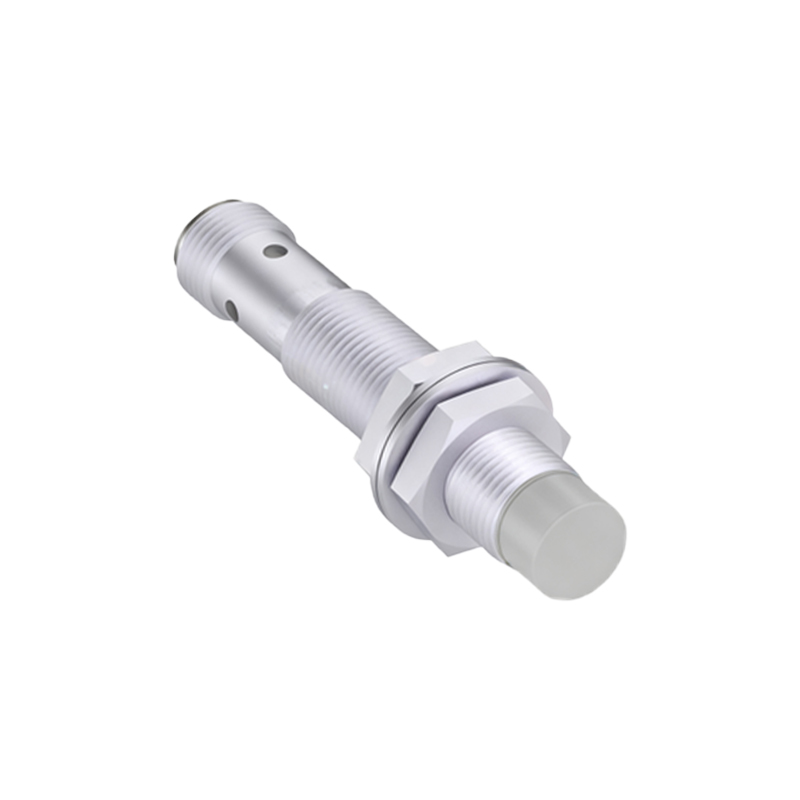
Installation and environmental considerations are paramount. Metal proximity sensors must be mounted properly, respecting the manufacturer's specified flush or non-flush mounting guidelines to avoid interference from surrounding metal. Factors like sensor mutual interference, extreme temperatures, strong electromagnetic fields, or the presence of cutting fluids and metallic dust can impact performance. Shielding or choosing appropriately rated sensors (e.g., weld-field immune models) mitigates these issues.
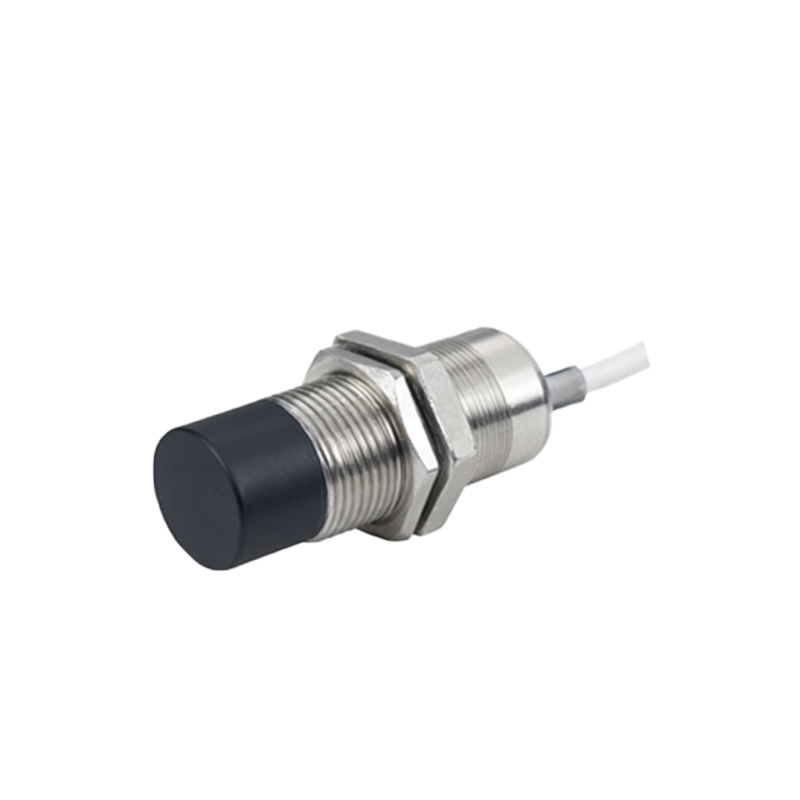
In conclusion, the metal proximity switch sensor is a robust and versatile workhorse of industrial automation. Its operation, rooted in electromagnetic induction, provides a reliable, contactless method for detecting metallic objects. Understanding the nuances of its principle, the impact of target material, and the importance of correct selection and installation empowers engineers to design robust, efficient, and safe control systems. As automation evolves, these sensors continue to be refined, offering greater precision, miniaturization, and connectivity for the smart factories of today and tomorrow.