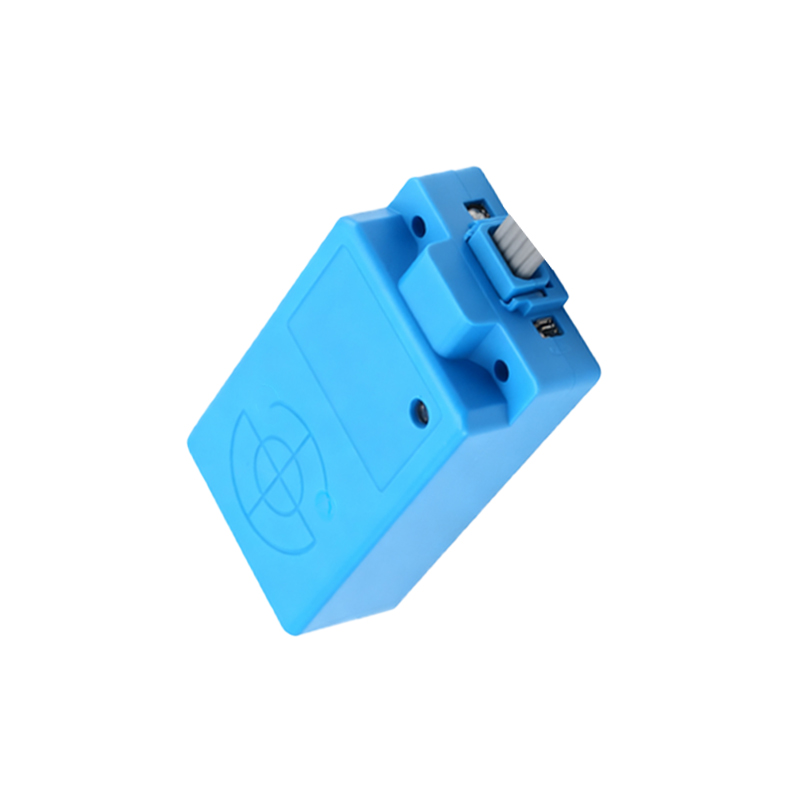
In the realm of industrial automation and control systems, proximity sensors are indispensable components, providing non-contact detection of objects with high precision and reliability. However, the performance and longevity of these sensors are intrinsically tied to the quality of their power source—specifically, the batteries that drive them. High-quality batteries are not merely an accessory but a critical determinant of operational efficiency, safety, and cost-effectiveness in demanding environments.
Proximity sensors, including inductive, capacitive, and magnetic variants, are deployed across diverse sectors such as manufacturing, automotive, aerospace, and logistics. They function in conditions characterized by extreme temperatures, vibrations, humidity, and electromagnetic interference. In such settings, substandard batteries can lead to frequent failures, causing unplanned downtime, production losses, and increased maintenance costs. For instance, a low-quality battery may experience rapid voltage drops or leakage, compromising the sensor's detection accuracy and response time. This can trigger false alarms or missed signals, potentially resulting in equipment damage or safety hazards.
The selection of high-quality batteries for proximity sensors hinges on several key parameters. First, energy density and capacity are paramount. Batteries with higher energy density ensure prolonged operational life, reducing the frequency of replacements—a crucial factor in hard-to-access installations. Lithium-based batteries, such as Lithium Thionyl Chloride (Li-SOCl2) or Lithium Manganese Dioxide (Li-MnO2), are often preferred for their superior energy density, stable voltage output, and extended shelf life. These chemistries can sustain performance over a wide temperature range, from -40°C to +85°C, making them ideal for harsh industrial applications.
Second, self-discharge rate is a critical consideration. High-quality batteries exhibit low self-discharge, retaining their charge over extended periods of inactivity. This is particularly vital for battery-powered sensors in standby or intermittent-use scenarios, such as in remote monitoring systems. For example, a premium Li-SOCl2 battery may have an annual self-discharge rate of less than 1%, ensuring readiness over years without maintenance.

Third, mechanical and environmental robustness cannot be overlooked. Batteries must be designed to withstand shocks, vibrations, and corrosive atmospheres. Sealed constructions and advanced materials prevent leakage and protect internal components. Additionally, compliance with international standards like IEC, UL, or ATEX certifications assures safety and reliability in explosive or hazardous areas.
Beyond technical specifications, the economic implications of battery choice are significant. While high-quality batteries may entail a higher upfront cost, their total cost of ownership is often lower due to reduced replacement frequency, minimized downtime, and enhanced system reliability. A case study in an automotive assembly line demonstrated that switching to premium lithium batteries for proximity sensors cut battery-related failures by 70% over three years, translating to substantial savings in labor and production delays.
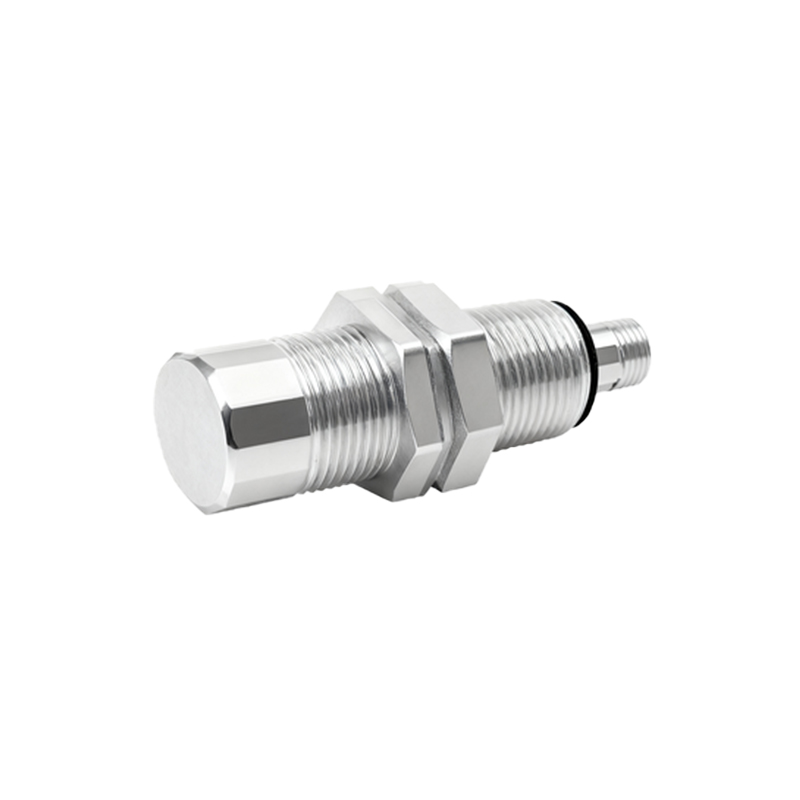
Moreover, the integration of smart battery management systems (BMS) is emerging as a trend. These systems monitor parameters like state-of-charge, temperature, and discharge cycles, providing predictive maintenance alerts. When paired with high-quality batteries, BMS can optimize performance and extend lifespan, aligning with Industry 4.0 initiatives for connected, efficient operations.
In conclusion, investing in high-quality batteries for proximity sensors is a strategic imperative for industries aiming to maximize uptime and safety. By prioritizing factors such as chemistry, durability, and certifications, engineers can ensure that these critical components deliver consistent, long-term performance. As technology advances, the synergy between robust batteries and intelligent management will continue to drive innovation, reinforcing the backbone of modern industrial automation.