The proximity sensor industry stands as a critical pillar within the broader automation and industrial control landscape. These non-contact devices, capable of detecting the presence or absence of objects within a defined range without physical touch, are fundamental to modern manufacturing, automotive systems, consumer electronics, and smart infrastructure. This analysis delves into the current state, technological drivers, key applications, and future trajectory of this dynamic sector.
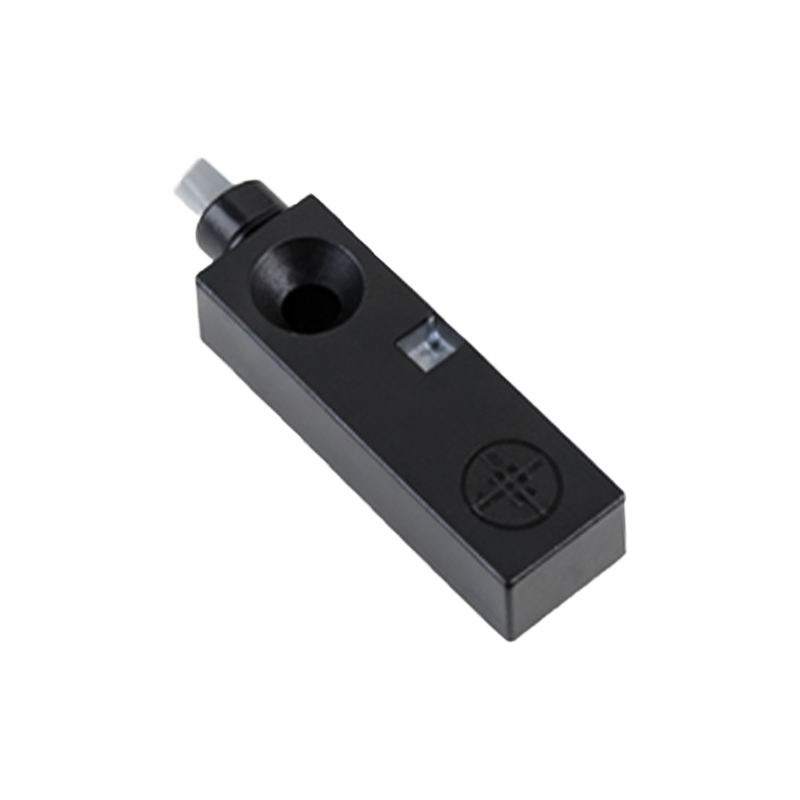
Market dynamics are primarily fueled by the relentless global push towards Industry 4.0 and smart factory initiatives. The demand for higher efficiency, precision, and reliability in automated processes has never been greater. Proximity sensors, including inductive, capacitive, ultrasonic, photoelectric, and magnetic varieties, provide the essential data points for real-time monitoring and control. The inductive sensor remains the workhorse for metal detection in harsh industrial environments, while capacitive sensors gain traction for detecting non-metallic materials like liquids, plastics, and wood, expanding their use in packaging and food & beverage industries. Photoelectric sensors, with their longer sensing ranges, are indispensable in material handling and logistics automation.
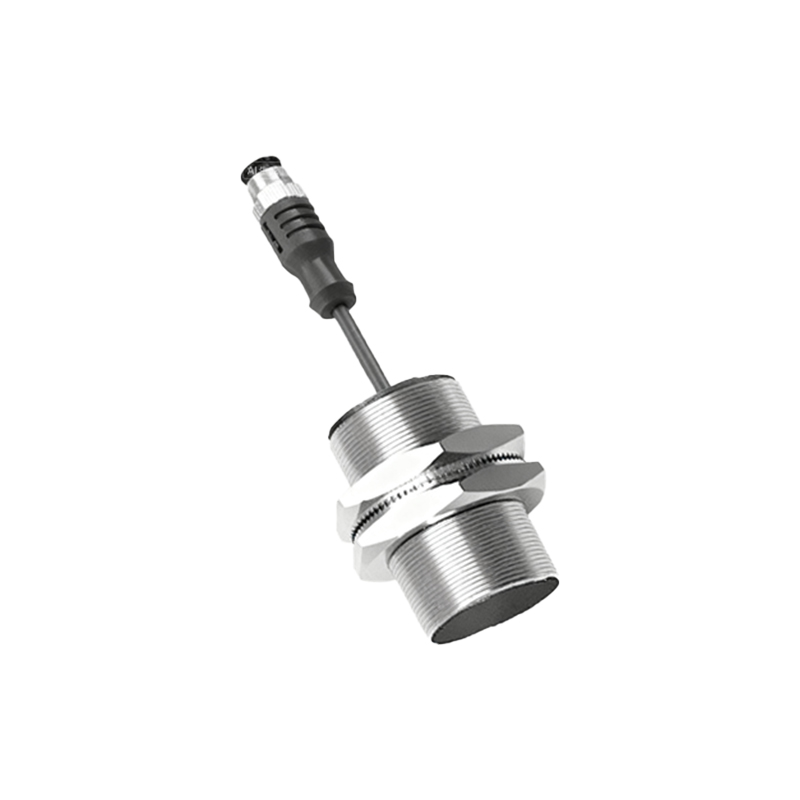
A significant technological trend is the increasing integration of intelligence and connectivity. Modern proximity sensors are no longer simple binary switches. They are evolving into smart devices with integrated microprocessors, enabling functions like condition monitoring, self-diagnostics, and parameter adjustment via IO-Link or other industrial communication protocols. This shift towards Industrial Internet of Things (IIoT) compatibility allows for predictive maintenance, reducing downtime and operational costs. Furthermore, miniaturization continues to be a key focus, enabling their deployment in space-constrained applications like compact robotics and advanced consumer devices.
The automotive industry remains a dominant end-user, with proximity sensors integral to assembly line robotics, safety systems, and increasingly, in advanced driver-assistance systems (ADAS) for parking assistance and collision avoidance. The proliferation of electric vehicles (EVs) presents new opportunities, particularly for precision sensing in battery management and powertrain assembly. Concurrently, the consumer electronics sector drives demand for ultra-miniature, low-power sensors used in smartphones, tablets, and wearables for features like screen auto-off and gesture recognition.
Regionally, Asia-Pacific holds the largest market share, driven by massive manufacturing bases in China, Japan, South Korea, and Southeast Asia. North America and Europe follow closely, with growth sustained by high-tech manufacturing and strong investments in industrial automation. The competitive landscape is characterized by the presence of established multinational giants like Siemens, Omron, Rockwell Automation, Pepperl+Fuchs, and Balluff, alongside numerous specialized players competing on innovation, product range, and cost-effectiveness.
Challenges persist, including price pressure, especially in standardized product segments, and the need for sensors to operate reliably in increasingly extreme environments involving high temperatures, pressures, or exposure to chemicals. However, opportunities abound. The expansion of collaborative robotics (cobots), which require safe, precise proximity detection for human-robot interaction, is creating a new high-growth segment. Similarly, the growth of smart cities will fuel demand for sensors in intelligent traffic management, waste management, and building automation.
Looking ahead, the convergence of sensing technologies with artificial intelligence and edge computing will define the next frontier. Sensors will not only detect presence but also begin to classify objects, assess conditions, and make localized decisions. The demand for multi-functional sensors that combine proximity sensing with other parameters like temperature or vibration will rise. Sustainability concerns will also influence design, pushing for longer-lasting, energy-efficient models and the use of environmentally friendly materials.
In conclusion, the proximity sensor industry is on a robust growth path, underpinned by global automation trends. Its evolution from a basic detection component to an intelligent, connected node in the IIoT ecosystem underscores its strategic importance. Success for market participants will hinge on continuous innovation, adaptability to emerging applications like EVs and cobots, and the ability to deliver enhanced value through smart features and seamless system integration.