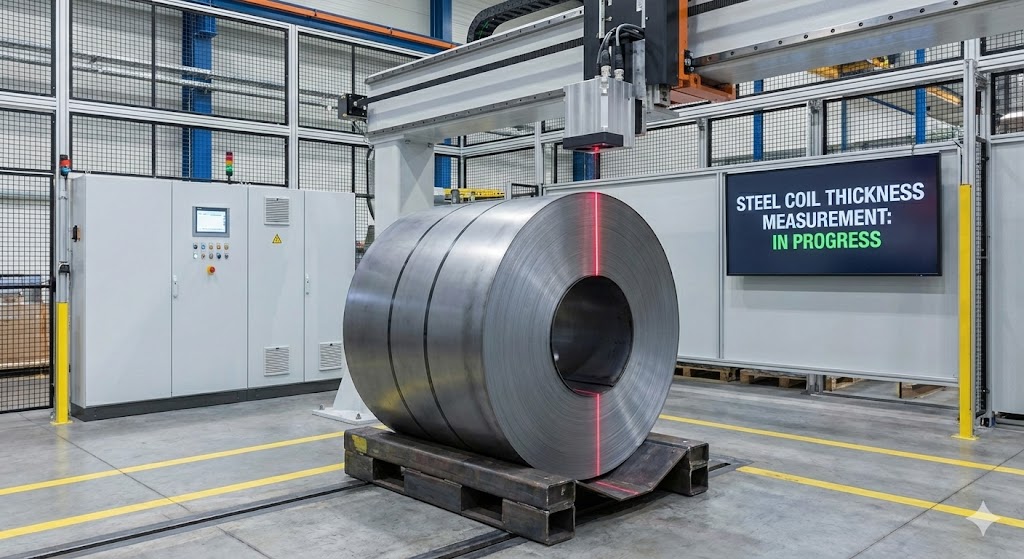
In the rapidly evolving landscape of industrial automation, laser sensors have emerged as indispensable tools for precision measurement, detection, and control. Among the leading innovators in this field, Kemei laser sensors stand out for their robust performance, reliability, and adaptability across diverse applications. This article delves into the technical specifications, operational principles, and real-world implementations of Kemei laser sensors, offering insights for engineers and industry professionals seeking to optimize their automation systems.
Kemei laser sensors utilize advanced laser diode technology to emit focused light beams, which are then analyzed based on reflection or interruption to determine parameters such as distance, position, thickness, or presence of objects. These sensors typically operate on time-of-flight (ToF) or triangulation principles, enabling high-accuracy measurements with resolutions down to micrometer levels. For instance, in ToF-based models, the sensor calculates distance by measuring the time taken for a laser pulse to reflect off a target and return, making them ideal for long-range applications like warehouse logistics or vehicle guidance. Triangulation sensors, on the other hand, use geometric angles to detect minute displacements, excelling in quality inspection tasks on production lines.
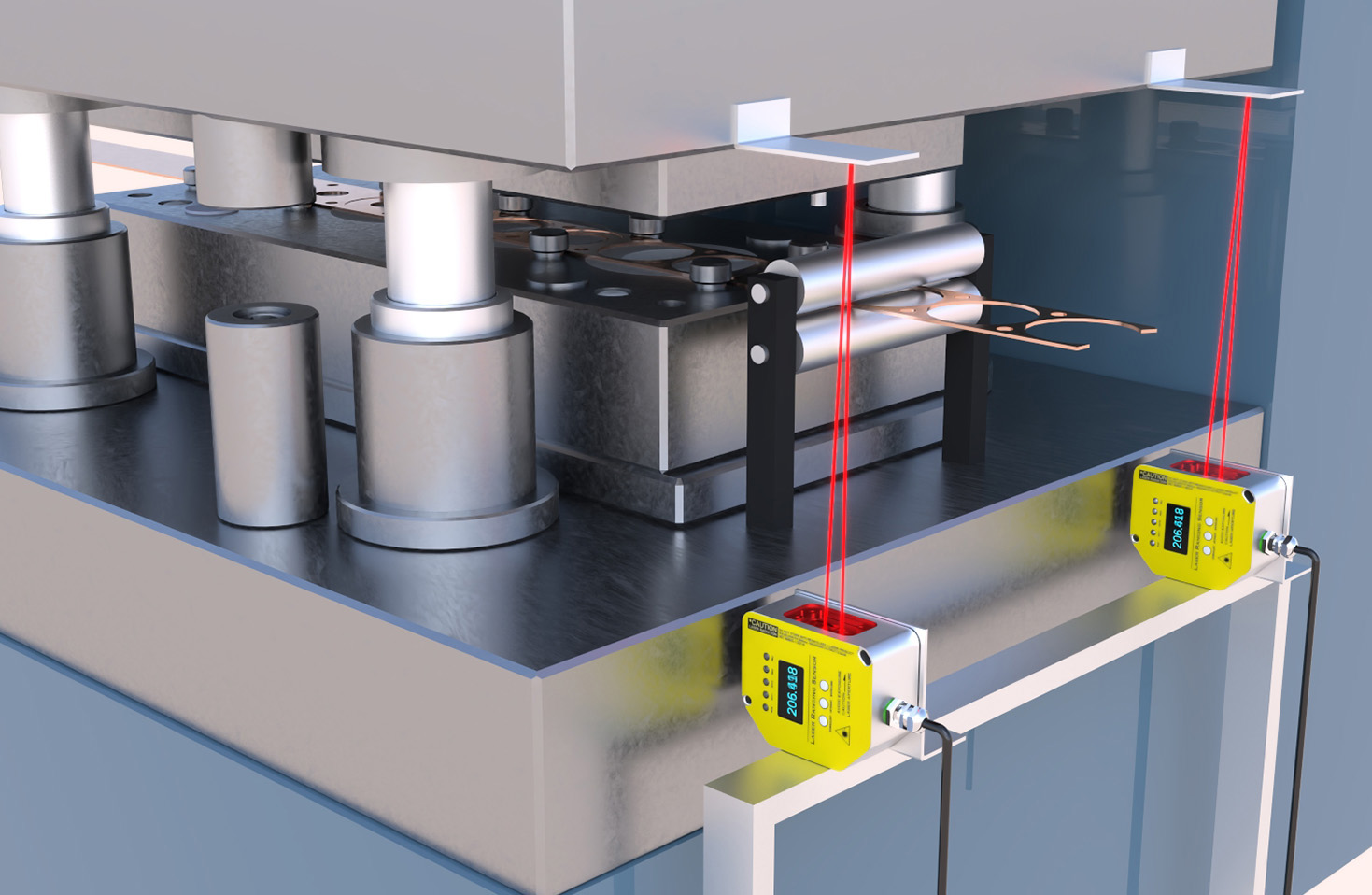
One of the key strengths of Kemei laser sensors lies in their environmental resilience. Engineered with IP67 or higher ingress protection ratings, they withstand harsh conditions including dust, moisture, and temperature fluctuations from -20°C to 70°C. This durability ensures consistent operation in industries like automotive manufacturing, where sensors monitor assembly processes, or in food and beverage sectors, where they verify packaging integrity without contamination risks. Additionally, Kemei integrates adaptive algorithms that compensate for surface variations—such as color or texture—reducing errors and enhancing repeatability.
In practical applications, Kemei laser sensors facilitate critical automation functions. In robotics, they provide real-time feedback for precise positioning and obstacle avoidance, enabling collaborative robots to operate safely alongside human workers. For material handling, sensors automate sorting and counting tasks by detecting object dimensions or barcodes, boosting efficiency in distribution centers. Moreover, in semiconductor fabrication, Kemei’s high-precision models measure wafer thickness and alignment, contributing to yield improvement and waste reduction. Case studies from manufacturing plants show that integrating these sensors can reduce downtime by up to 30% through predictive maintenance alerts, as sensors monitor equipment wear or misalignment.

Looking ahead, Kemei continues to innovate with smart sensor solutions incorporating IoT connectivity and AI-driven analytics. Future models may feature enhanced data fusion capabilities, allowing seamless integration with PLCs and cloud platforms for Industry 4.0 initiatives. Engineers are advised to consider factors like beam type (visible red or infrared), response time (often under 1 ms), and output interfaces (e.g., analog, digital, or Ethernet) when selecting Kemei sensors for specific projects. Regular calibration and adherence to safety standards, such as IEC 60825 for laser classification, are essential to maintain performance.
In summary, Kemei laser sensors represent a convergence of precision engineering and practical design, driving advancements in automation. By leveraging their technical merits—from accuracy to ruggedness—industries can achieve higher productivity, quality control, and operational safety. As technology progresses, these sensors will undoubtedly play a pivotal role in shaping smarter, more responsive industrial ecosystems.