In industrial automation and machinery control, proximity sensors play a critical role in detecting the presence or absence of objects without physical contact. However, anomalies in these sensors can lead to significant operational disruptions, safety hazards, and costly downtime. This article explores 15 common proximity sensor anomalies, their root causes, and practical solutions for maintenance engineers and technicians.
1. False Triggering: Occurs when a sensor activates without an actual target present. Common causes include environmental interference (e.g., electromagnetic noise from nearby motors or welding equipment), incorrect sensor mounting, or contamination (dust, oil, or metal chips). Solutions involve shielding cables, ensuring proper grounding, and regular cleaning of sensor faces.
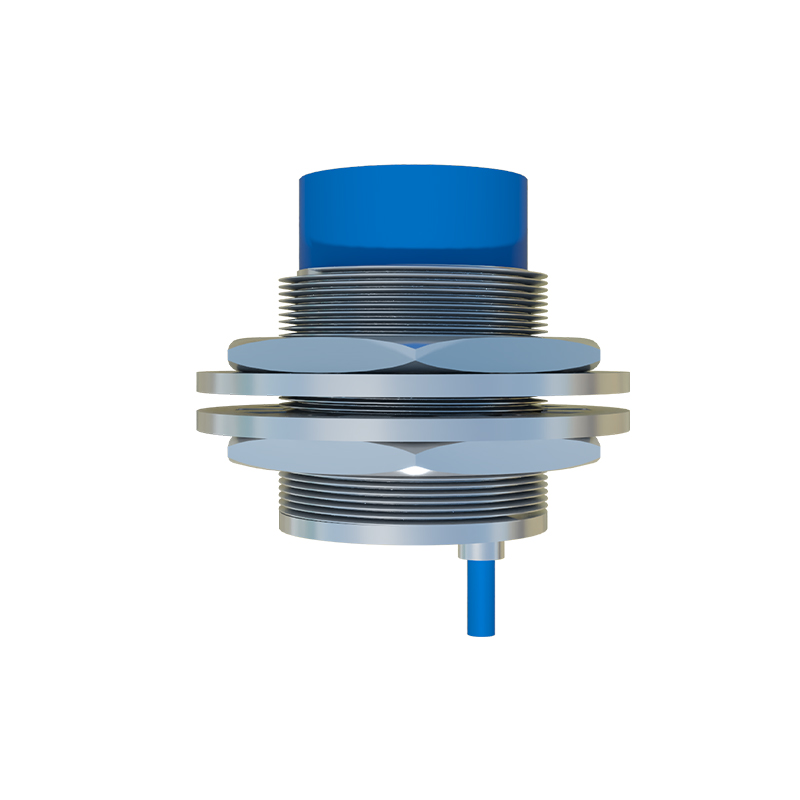
2. No Output Signal: The sensor fails to detect valid targets. This may stem from wiring issues (broken wires, loose connections), power supply problems (voltage drops or surges), or sensor damage due to mechanical impact. Verify wiring integrity and use a multimeter to check voltage levels at the sensor terminals.
3. Intermittent Operation: Inconsistent detection, where the sensor works sporadically. Often caused by unstable power sources, vibration-induced connection faults, or internal component degradation. Inspect mounting stability and consider using sensors with higher vibration resistance ratings.
4. Reduced Sensing Range: The sensor detects objects only at shorter distances than specified. Potential causes include buildup of foreign material on the sensing face, aging of internal electronics, or misalignment. Clean the sensor regularly and recalibrate according to manufacturer guidelines.
5. Overheating: Excessive heat can damage sensor components, leading to premature failure. Causes include high ambient temperatures, excessive current draw, or inadequate ventilation. Ensure sensors are rated for the operating environment and install cooling systems if necessary.
6. Output Signal Drift: Gradual change in output characteristics over time, often due to temperature fluctuations or component aging. Implement temperature compensation techniques or use sensors with built-in drift correction features.
7. Incorrect Switching Frequency: The sensor cannot keep up with rapid target movements, resulting in missed detections. This anomaly is common in high-speed applications. Select sensors with appropriate response times and switching frequencies for the application requirements.
8. Material Sensitivity Issues: Some sensors may fail to detect certain materials (e.g., non-metallic objects for inductive sensors). Choose sensor types (inductive, capacitive, ultrasonic, or photoelectric) based on target material properties.
9. Environmental Contamination: Exposure to chemicals, moisture, or corrosive substances can degrade sensor housing and internal circuits. Use sensors with appropriate IP (Ingress Protection) ratings and protective enclosures for harsh environments.
10. Electrical Noise Interference: Industrial environments often generate electrical noise that can disrupt sensor signals. Employ noise suppression methods such as twisted-pair cables, ferrite cores, and proper cable routing away from high-voltage lines.
11. Mechanical Damage: Physical impacts, excessive force, or improper installation can crack sensor housings or misalign internal components. Follow manufacturer installation guidelines and use protective guards in high-risk areas.
12. Lens Fogging (for Photoelectric Sensors): Condensation or dirt accumulation on optical lenses reduces detection reliability. Install sensors with anti-fog coatings or use air purging systems to maintain clear optics.
13. Calibration Loss: Sensors may lose calibration due to environmental changes or prolonged use. Regularly recalibrate using certified reference targets and calibration tools.
14. Compatibility Issues: Mismatch between sensor output types (PNP vs. NPN, analog vs. digital) and control system inputs can cause malfunctions. Always verify electrical compatibility before installation.
15. End-of-Life Failure: All sensors have a finite lifespan. Aging components, wear and tear, or accumulated stress eventually lead to complete failure. Implement predictive maintenance schedules and monitor sensor performance trends to plan replacements proactively.
To mitigate these anomalies, adopt a systematic approach:
- Conduct regular preventive maintenance, including visual inspections and functional tests.
- Maintain detailed logs of sensor performance and failure histories.
- Train personnel on proper installation, troubleshooting, and replacement procedures.
- Source sensors from reputable manufacturers with robust technical support and warranty coverage.
By understanding these 15 proximity sensor anomalies, engineers can enhance system reliability, reduce unplanned downtime, and optimize operational efficiency in industrial settings.