In the realm of industrial automation and machinery, proximity sensors stand as indispensable components for non-contact detection, and among them, the 8mm proximity sensor holds a particularly significant place due to its versatility and compact design. This article delves into the technical intricacies, operational principles, selection criteria, and common applications of 8mm proximity switches, providing a thorough resource for engineers and technicians.
An 8mm proximity sensor, as the name implies, features a sensing face diameter of approximately 8 millimeters. This compact form factor allows for installation in tight spaces where larger sensors would be impractical. These sensors operate primarily on two fundamental principles: inductive and capacitive sensing. Inductive 8mm proximity sensors are the most prevalent type, designed to detect metallic objects—typically ferrous metals like iron and steel, though some versions can sense non-ferrous metals. They function by generating an electromagnetic field from an oscillator circuit within the sensor. When a metallic target enters this field, it induces eddy currents, causing a change in the oscillation amplitude. This change is detected by the sensor's circuitry, which then triggers a solid-state output switch (typically NPN or PNP). Key specifications for inductive models include sensing distance (often up to 2mm for a standard 8mm barrel sensor), response frequency (which can reach several kilohertz), and environmental ratings like IP67 for dust and water resistance.
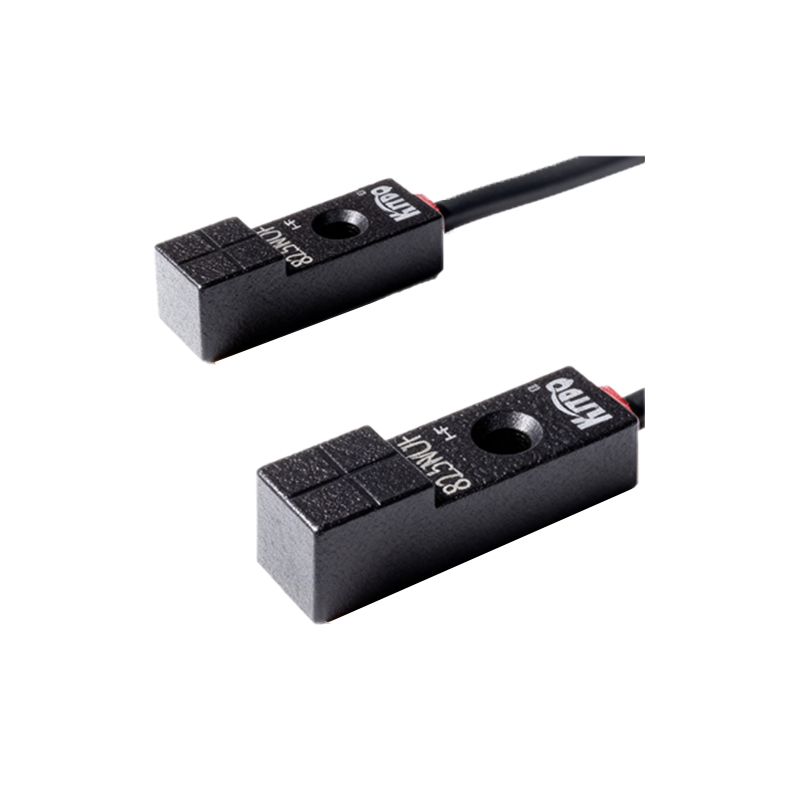
Capacitive 8mm proximity sensors, while less common in this specific size, are utilized for detecting non-metallic materials such as plastics, liquids, glass, and wood. They work by measuring changes in capacitance between the sensor's active face and the target object. The presence of any material with a dielectric constant different from air alters the capacitance, triggering the output. These sensors are crucial in applications involving material level detection or presence sensing of non-conductive items.
Selecting the appropriate 8mm proximity sensor requires careful consideration of several parameters beyond just the diameter. The sensing distance, often termed "rated operating distance," must be chosen with a safety margin to account for installation tolerances and target variations. Output configuration is critical: NPN (sinking) and PNP (sourcing) outputs must match the control system's input card requirements. The housing material, typically nickel-plated brass or stainless steel, determines resistance to chemicals, oils, and physical impact. Connection styles, such as pre-wired cables or quick-disconnect connectors, affect installation ease and maintenance. Furthermore, engineers must verify the sensor's electrical specifications, including operating voltage range (commonly 10-30V DC), current consumption, and short-circuit protection.
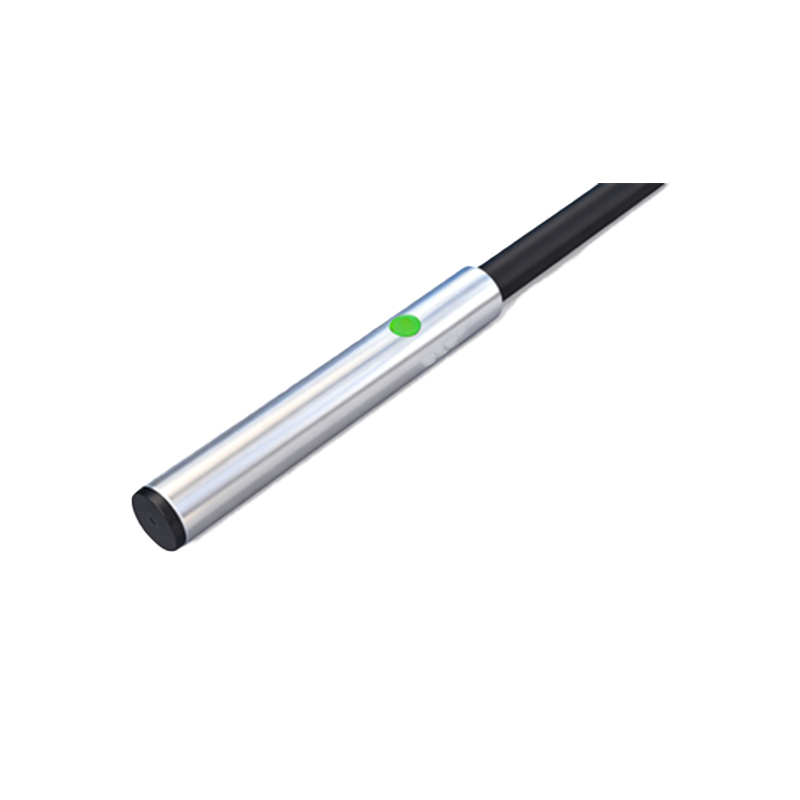
The applications for 8mm proximity sensors are vast and span numerous industries. In automotive manufacturing, they are deployed on assembly lines for part presence verification, such as detecting pistons in engine blocks or confirming the position of small brackets. Packaging machinery utilizes these sensors to count products, detect fill levels in small containers, or monitor the position of labels and caps. In CNC machining centers, they serve as limit switches or tool presence detectors, ensuring precise tool changes and preventing collisions. Robotics integrators favor the 8mm size for end-of-arm tooling to confirm gripper actuation or part acquisition in confined workspaces. Additionally, they are found in conveyor systems for jam detection, in electronic equipment for door closure sensing, and in material handling for monitoring small component positions.
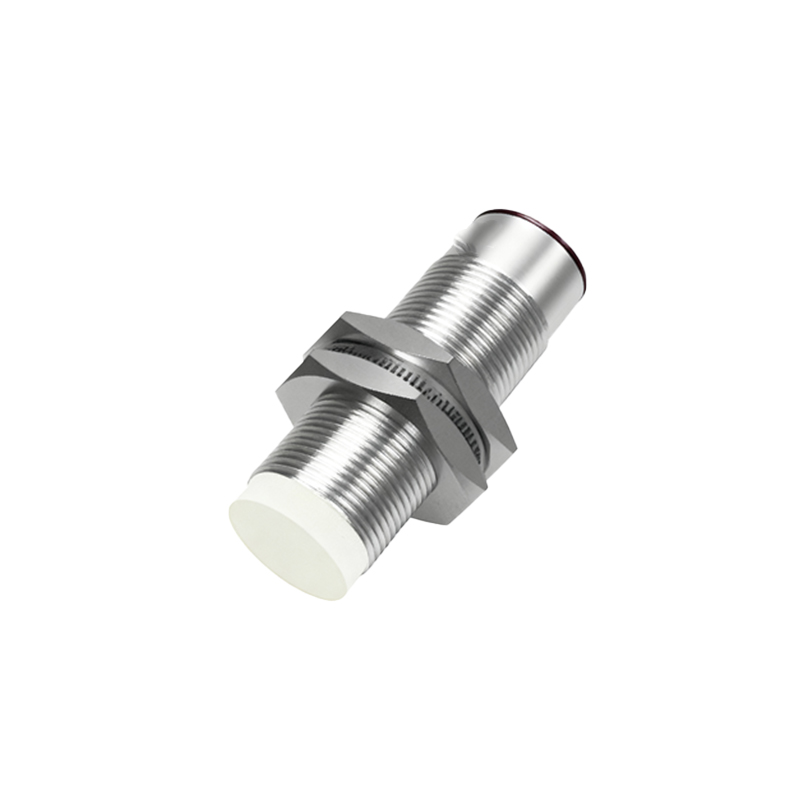
Installation and maintenance best practices are paramount for reliable operation. Proper mounting is essential; sensors should be installed so that the target approaches the sensing face perpendicularly for optimal performance. Adequate clearance from surrounding metal (a non-sensing zone) must be maintained to prevent false triggering. Electrical noise from motors or frequency drives can interfere with sensor operation, necessitating the use of shielded cables and proper grounding. Regular maintenance involves checking for physical damage, buildup of debris on the sensing face (which can reduce effective range), and verifying the stability of the power supply. Diagnostic LEDs, a standard feature on most modern sensors, provide immediate visual feedback on power status and output activation, greatly simplifying troubleshooting.
In conclusion, the 8mm proximity sensor is a robust, precise, and adaptable solution for a multitude of detection tasks in industrial environments. Its small size belies its significant role in enhancing automation efficiency, ensuring safety, and improving process reliability. By understanding its operating principles, carefully matching specifications to application needs, and adhering to proper installation guidelines, engineers can leverage this powerful component to optimize machine performance and system intelligence. As technology advances, we continue to see improvements in these sensors, such as enhanced noise immunity, wider temperature ranges, and integrated IO-Link capabilities for smart factory communication, further solidifying their critical position in industrial automation.