Proximity sensors are indispensable components in modern industrial automation, offering non-contact detection of objects within a defined range. Among the various types, inductive, capacitive, ultrasonic, and photoelectric sensors are the most prevalent, each operating on distinct physical principles to suit specific applications. Inductive proximity sensors, for instance, generate an electromagnetic field to detect metallic objects, making them ideal for harsh industrial environments where durability and reliability are paramount. These sensors are commonly employed in manufacturing lines for tasks such as part counting, position verification, and machine safety interlocks. Their robust construction allows them to withstand exposure to dust, oil, and vibrations, ensuring consistent performance over extended periods.
The working principle of an inductive proximity sensor involves an oscillator circuit that creates a high-frequency electromagnetic field at the sensing face. When a metallic object enters this field, eddy currents are induced on the object's surface, causing a change in the oscillation amplitude. This change is detected by the sensor's circuitry, which then triggers an output signal, typically in the form of a switched DC voltage. The sensing range, known as the nominal sensing distance (Sn), varies depending on the sensor's size and design, with factors like target material, size, and shape influencing the effective detection distance. For standard mild steel, the sensing distance is specified, but for other metals like aluminum or copper, a correction factor must be applied, as these materials may reduce the effective range.
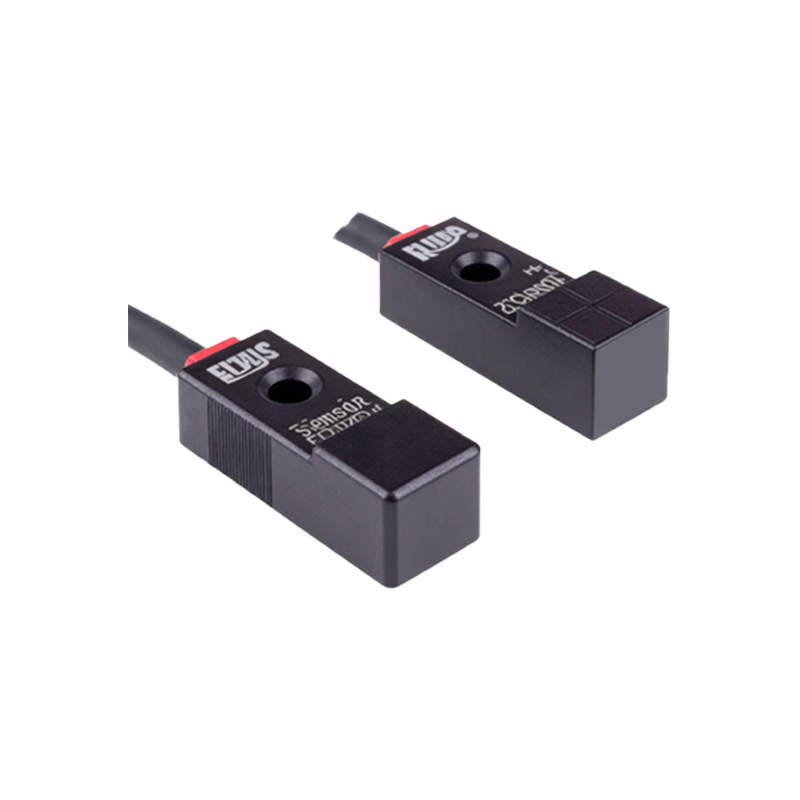
Capacitive proximity sensors, on the other hand, can detect both metallic and non-metallic objects, including liquids, plastics, and glass. They operate by measuring changes in capacitance between the sensor's electrode and the target. When an object approaches, it alters the dielectric constant of the space between them, leading to a detectable change in capacitance. This versatility makes capacitive sensors suitable for applications such as level detection in tanks, material handling, and packaging, where diverse materials need to be sensed. However, they are more susceptible to environmental factors like humidity and temperature, requiring careful installation and calibration.
Ultrasonic sensors utilize sound waves beyond the human hearing range to detect objects. They emit ultrasonic pulses and measure the time taken for the echo to return after reflecting off a target. This time-of-flight principle allows for precise distance measurement, making these sensors excellent for applications requiring accurate positioning or level sensing, even with transparent or shiny objects that might challenge photoelectric sensors. They are widely used in automotive parking assistance systems, conveyor belt monitoring, and liquid level control. However, their performance can be affected by factors like air turbulence, temperature gradients, and the target's acoustic properties.
Photoelectric sensors rely on light beams, typically infrared or laser, to detect objects. They consist of a light emitter and a receiver, with three main configurations: through-beam, retro-reflective, and diffuse reflective. Through-beam sensors have separate emitter and receiver units, offering the longest sensing distances and high reliability, as the object interrupts the direct beam. Retro-reflective sensors use a reflector to bounce the light back to the receiver, providing a practical solution for medium-range applications. Diffuse reflective sensors detect objects by measuring the light reflected directly from the target, making them compact and easy to install, though with shorter ranges. Photoelectric sensors are prevalent in packaging, electronics assembly, and security systems, but they can be influenced by ambient light, color, and surface reflectivity.
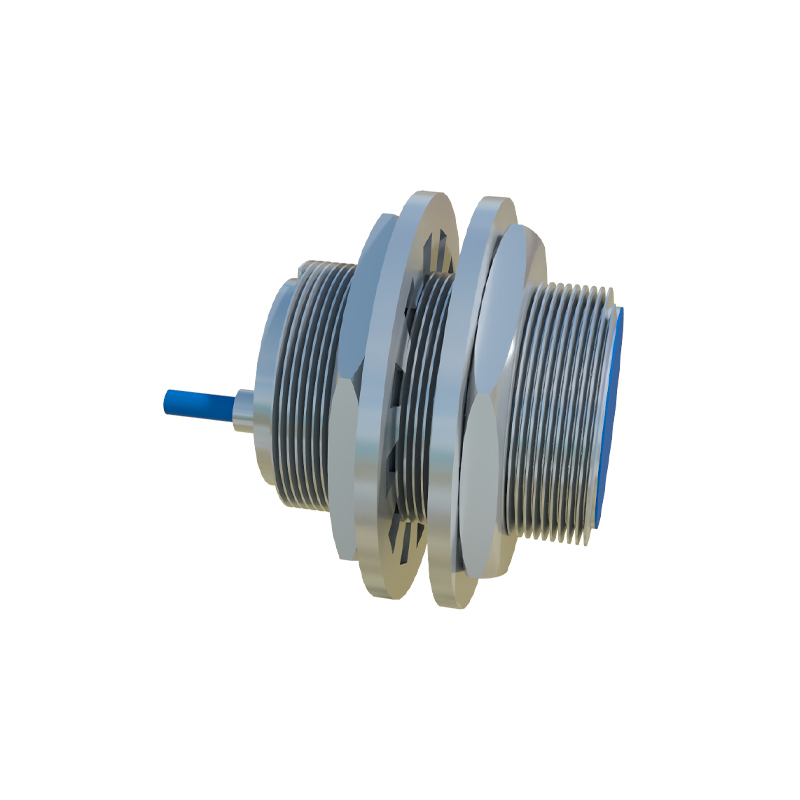
When selecting a proximity sensor for an application, engineers must consider several key parameters. The sensing distance, response time, output type (e.g., NPN, PNP, analog, or IO-Link), and environmental conditions (such as temperature, IP rating, and chemical resistance) are critical factors. For example, in high-speed automation, a fast response time is essential to maintain cycle times, while in washdown environments, sensors with high IP69K ratings are necessary to withstand high-pressure cleaning. Additionally, the installation method, including flush or non-flush mounting for inductive sensors, affects the sensing characteristics and immunity to adjacent metal interference.
Advancements in sensor technology have led to the development of smart sensors with integrated diagnostics and communication capabilities. IO-Link, a point-to-point serial communication protocol, enables sensors to transmit detailed status information, such as operating hours, temperature, and signal strength, to a control system. This facilitates predictive maintenance, reducing downtime and improving overall equipment effectiveness. Furthermore, the miniaturization of sensors has expanded their use in compact machinery and robotics, where space is at a premium.
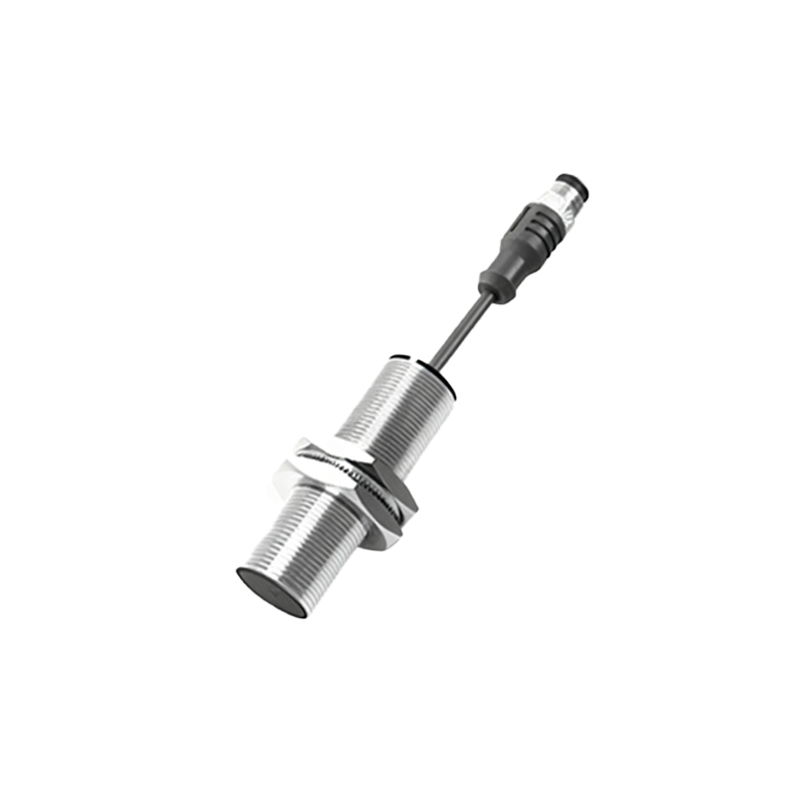
In conclusion, proximity sensors play a vital role in enhancing efficiency, safety, and precision across various industries. From simple presence detection to complex measurement tasks, their ability to operate without physical contact ensures minimal wear and long service life. By understanding the principles, types, and selection criteria, engineers can optimize sensor integration to meet specific application demands, driving innovation in automation and control systems. As Industry 4.0