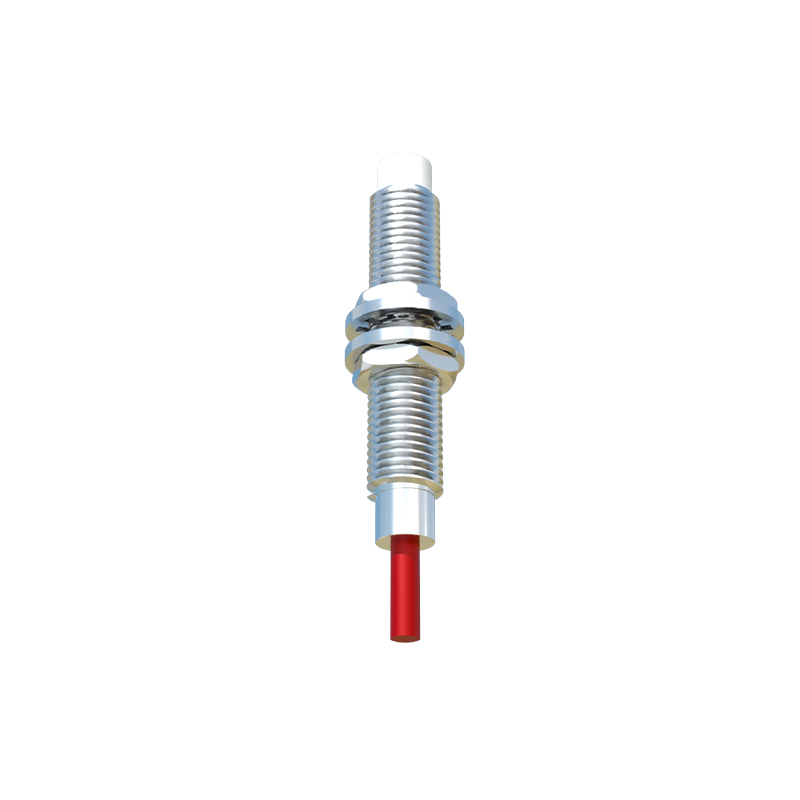
In the world of industrial automation and control systems, proximity sensors are indispensable components. They detect the presence or absence of objects without physical contact, ensuring precision, reliability, and efficiency in countless applications—from manufacturing assembly lines to automotive safety systems. With numerous brands competing in the market, selecting the right one can be daunting. This guide delves into key factors and top contenders to help engineers and procurement specialists make informed decisions.
First, consider the core criteria for evaluating proximity sensor brands. Performance metrics such as sensing range, response time, and environmental durability (e.g., resistance to dust, moisture, and temperature extremes) are paramount. For instance, in harsh industrial environments, sensors must withstand vibrations, chemical exposure, and electromagnetic interference. Brands that offer robust sealing (like IP67 or higher ratings) and stable operation across temperature ranges from -25°C to 70°C often stand out. Additionally, output types (e.g., NPN, PNP, analog, or IO-Link) and form factors (cylindrical, rectangular, or slot-style) should align with specific application needs.
Among the leading brands, Sick AG (Germany) is renowned for innovation and precision. Their sensors, such as the IM series, excel in high-speed detection and offer advanced features like background suppression and teach-in functionality. Sick’s products are favored in logistics and packaging industries for their accuracy and longevity. Another top player is Omron Corporation (Japan), which provides a vast portfolio, including the E2E inductive and E3Z photoelectric sensors. Omron emphasizes reliability and ease of integration, with options for compact designs and network connectivity via EtherNet/IP or PROFINET. Their sensors are widely used in automotive and electronics manufacturing due to consistent performance.
Pepperl+Fuchs (Germany) specializes in explosion-proof and intrinsically safe sensors, making them ideal for hazardous areas like oil refineries or chemical plants. Their inductive and capacitive sensors, such as the NBB series, offer high immunity to interference and long service life. Similarly, Balluff GmbH (Germany) is praised for its modular systems and IO-Link-enabled sensors that facilitate Industry 4.0 integration. Balluff’s BOS series, for example, allows parameterization and diagnostics via digital communication, enhancing predictive maintenance capabilities.
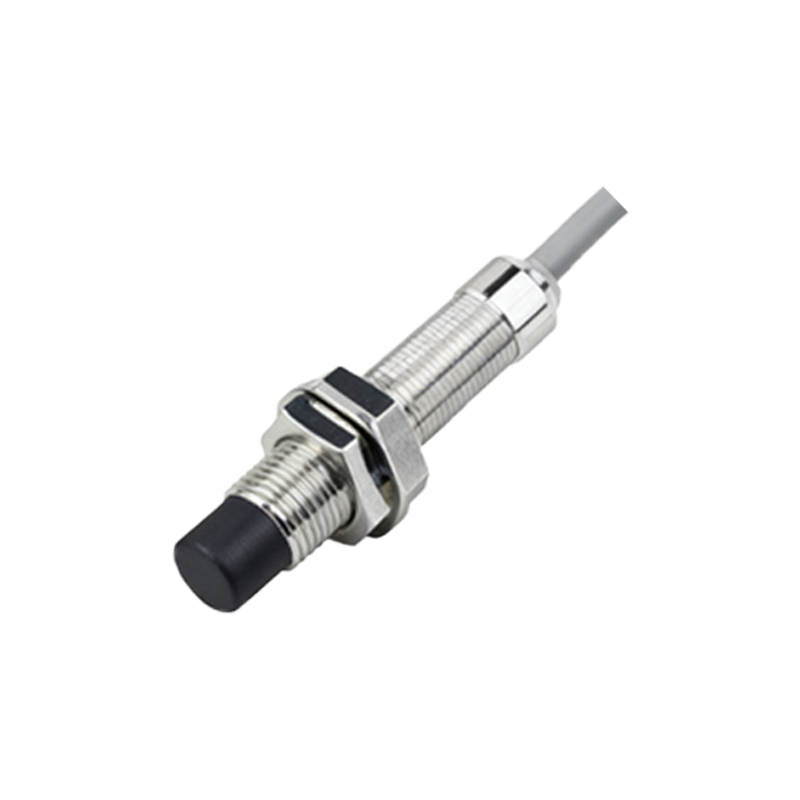
For cost-effective solutions without compromising quality, Autonics (South Korea) and IFM Electronic (Germany) are strong contenders. Autonics provides a broad range of affordable sensors with good performance in standard environments, while IFM focuses on user-friendly designs and comprehensive diagnostics, such as their OY series with LED status indicators. In North America, Rockwell Automation (Allen-Bradley) and Banner Engineering are prominent. Rockwell’s sensors integrate seamlessly with their control systems, offering synergy in factory automation, whereas Banner is known for innovative photoelectric and ultrasonic sensors, like the Q45 series, which excel in challenging detection scenarios.
When choosing a brand, also evaluate support services. Technical documentation, warranty terms, and global availability of spare parts can impact long-term operational costs. Brands with strong distributor networks and online configurators, such as Siemens (with their SIMATIC sensors), simplify procurement and customization. Moreover, consider future-proofing: sensors with smart features (e.g., condition monitoring, data logging) align with digital transformation trends.
In summary, the "best" brand depends on specific requirements. For high-precision tasks in clean environments, Sick or Omron may be optimal. In hazardous zones, Pepperl+Fuchs leads. For budget-conscious projects, Autonics or IFM offer value, while Balluff and Rockwell suit smart factory initiatives. Always test sensors in real conditions and consult technical datasheets to ensure compatibility. By prioritizing application needs over brand reputation alone, engineers can achieve optimal system performance and reliability.