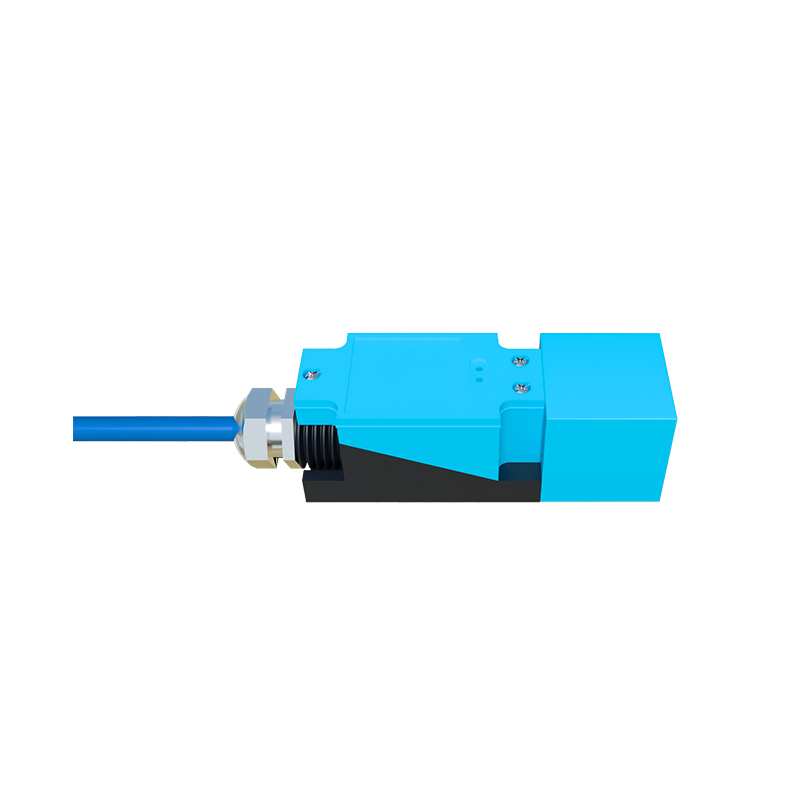
Proximity sensors are vital components in modern industrial automation, providing non-contact detection of metallic and non-metallic objects. Proper installation is crucial to ensure reliable operation, longevity, and system safety. This article outlines key installation requirements and best practices for engineers and technicians.
First, environmental considerations are paramount. The sensor must be installed in an environment compatible with its specified ingress protection (IP) rating, temperature range, and resistance to chemicals or oils. Avoid locations with excessive dust, moisture, or strong electromagnetic interference from nearby motors, transformers, or power cables. If unavoidable, use shielded cables and maintain adequate distance from interference sources.
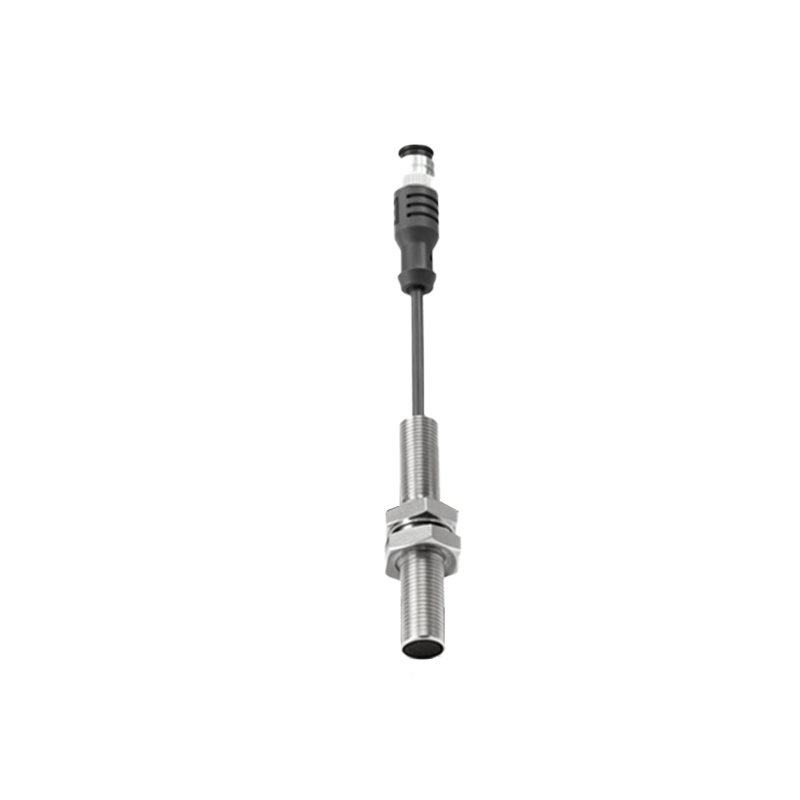
Mounting precision directly impacts performance. For inductive proximity sensors detecting metals, ensure the sensing face is parallel to the target and maintains the correct nominal sensing distance (Sn). The target should approach axially to the sensing face for optimal response. Avoid mounting multiple sensors too closely to prevent mutual interference—typically, a minimum spacing of two times the sensor diameter is recommended. For cylindrical sensors, use appropriate mounting brackets to prevent vibration-induced misalignment.
Wiring and electrical connections must adhere to manufacturer specifications. Use the correct cable type and gauge, ensuring wires are not stretched or pinched. For DC sensors, observe polarity (brown wire to positive, blue to negative, black or white as output). Implement proper grounding to minimize electrical noise. In three-wire configurations, connect the load (e.g., PLC input, relay) in series with the output line. For two-wire AC/DC sensors, ensure the load current falls within the specified operating range to avoid malfunction. Always de-energize the circuit during installation or maintenance.
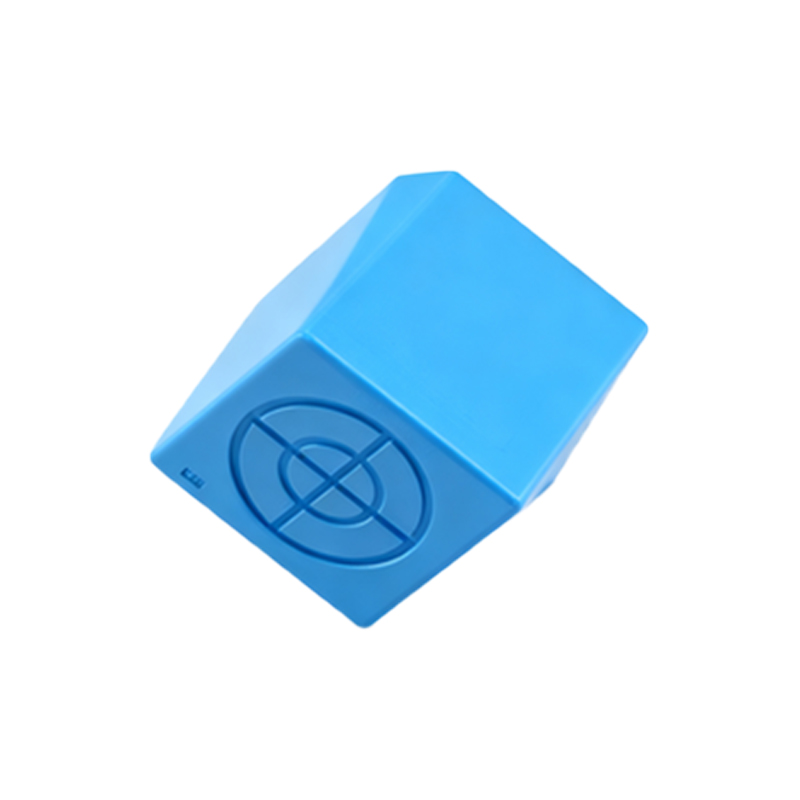
Target characteristics require careful matching. The sensor’s sensing distance is calibrated for a standard target (e.g., mild steel for inductive types). For non-standard materials like aluminum or copper, derate the sensing distance—typically by 30-50%. The target size should be at least equal to the sensor’s sensing face diameter. For small objects, reduce the operating distance accordingly. Ensure targets are clean, without coatings like paint or rust that may attenuate detection.
Regular testing and maintenance are essential. After installation, verify the sensor’s response by moving the target through its detection range. Use indicators (e.g., LED lights) to confirm switching. Periodically inspect for physical damage, contamination, or loose connections. In high-cycle applications, monitor for wear and recalibrate if necessary.
By following these guidelines, engineers can maximize sensor accuracy, reduce downtime, and enhance system reliability. Always consult the sensor’s datasheet for model-specific instructions, as requirements may vary by type (inductive, capacitive, ultrasonic) and application (position control, object counting, safety interlocks).