In the rapidly evolving landscape of industrial automation and smart manufacturing, high-precision proximity sensors have become indispensable components. These devices, capable of detecting the presence or absence of an object with exceptional accuracy and without physical contact, are critical for ensuring efficiency, safety, and quality in various applications. However, the cost of these sensors can vary significantly, influenced by a multitude of factors that engineers and procurement specialists must carefully consider.
The pricing of high-precision proximity sensors is primarily driven by their underlying technology. Inductive, capacitive, and magnetic sensors each cater to different material types and environmental conditions, with costs reflecting their complexity. For instance, inductive sensors, ideal for detecting metals, are generally more affordable due to mature manufacturing processes. In contrast, capacitive sensors, which can detect both metallic and non-metallic objects, often command a higher price due to their sophisticated circuitry and calibration requirements. Magnetic sensors, utilizing Hall effect or magnetoresistive principles, fall within a mid to high price range, especially when designed for extreme precision in harsh environments.
Accuracy and repeatability are paramount in high-precision applications, directly impacting cost. Sensors offering resolutions in the micrometer range or with exceptionally low hysteresis and temperature drift necessitate advanced components, such as high-grade oscillators, stable amplifiers, and precision-machined housings. These elements increase material and production expenses. Additionally, sensors with integrated diagnostics, digital interfaces (e.g., IO-Link, Ethernet/IP), or smart features like condition monitoring and predictive maintenance capabilities incorporate microprocessors and software, further elevating their value and price point.
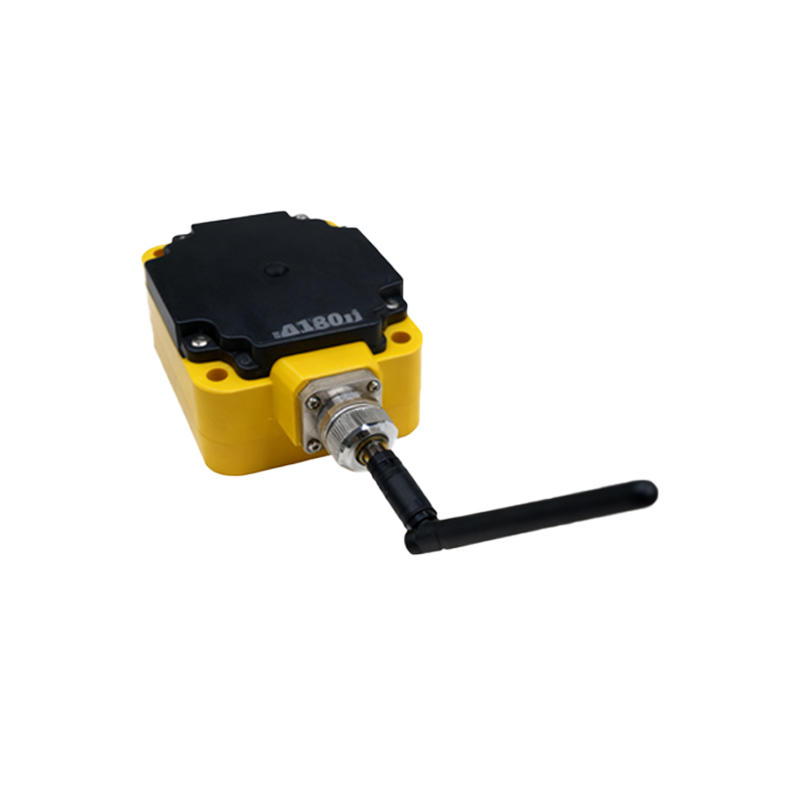
Environmental robustness is another critical cost determinant. Sensors rated for IP67, IP69K, or higher ingress protection, capable of withstanding extreme temperatures, high pressure, corrosive chemicals, or intense vibration, require specialized materials like stainless steel, PEEK, or ceramic sensing faces. The engineering and testing involved in achieving such durability, including compliance with standards like IEC 60947-5-2, add substantial development and certification costs.
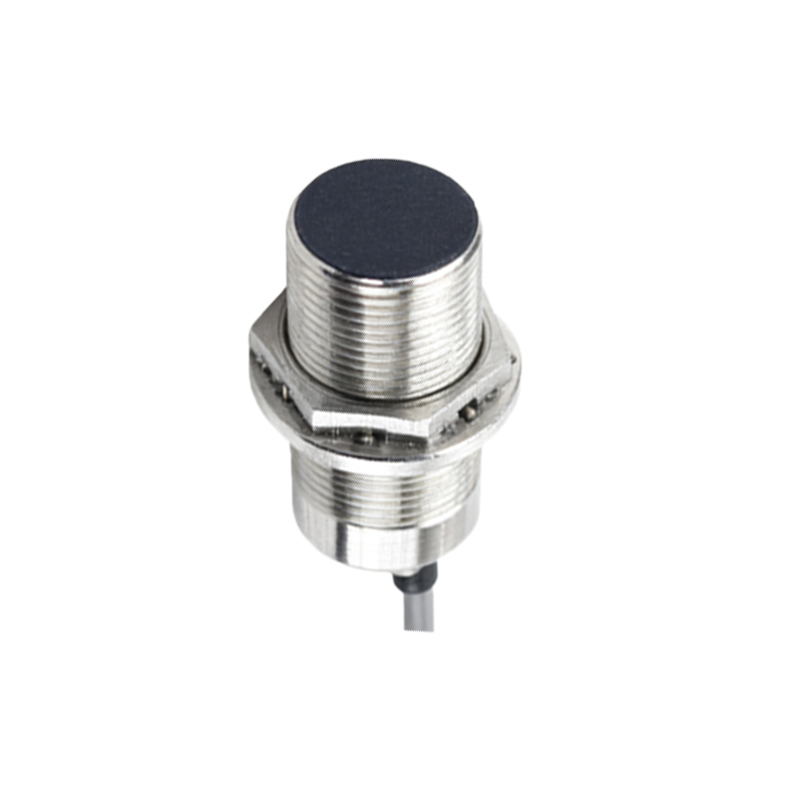
The supply chain and brand reputation also play significant roles. Established manufacturers with proven track records in reliability and support often price their sensors higher, reflecting investment in R&D, quality control, and global service networks. Conversely, generic or lesser-known brands may offer lower initial costs but could entail risks regarding longevity, accuracy consistency, and after-sales service. Volume purchasing typically reduces unit cost, but for custom-engineered solutions—tailored for specific sensing ranges, form factors, or output configurations—prices increase due to non-recurring engineering (NRE) charges.
In summary, the expense of high-precision proximity sensors is not merely a matter of component pricing but a reflection of technological sophistication, performance specifications, environmental suitability, and brand value. A thorough cost-benefit analysis, considering total cost of ownership including maintenance, downtime, and integration efforts, is essential for making an informed procurement decision that balances budgetary constraints with operational requirements.