Waterproof proximity sensors are critical components in modern industrial automation, particularly in harsh environments where exposure to moisture, dust, and chemicals is common. These sensors, designed to detect the presence or absence of objects without physical contact, rely on electromagnetic fields, capacitive changes, or ultrasonic waves. Despite their robust construction, they are not immune to failures, which can lead to costly downtime and safety risks. Understanding common faults and implementing effective solutions is essential for maintaining operational efficiency.
One prevalent issue is false triggering or failure to detect objects. This often stems from environmental factors such as accumulation of metallic debris, conductive dust, or thick non-conductive coatings on the sensor face. In waterproof models, even minor breaches in sealing can allow condensation to form internally, interfering with signal transmission. For instance, in a food processing plant, grease buildup might cause a capacitive sensor to activate erroneously. Regular cleaning with appropriate solvents and inspecting seals for wear—especially around cable entry points—can mitigate this. Additionally, ensuring the sensor is not installed too close to other electromagnetic sources reduces interference.
Another common fault is reduced sensing range. Over time, the oscillator circuit within inductive or capacitive sensors may degrade due to temperature extremes or voltage fluctuations. Waterproof sensors operating in outdoor settings, like in material handling systems, face thermal cycling that stresses internal components. This can weaken the magnetic or electric field, shortening the effective range. To address this, verify the power supply stability—using a regulated DC source is recommended—and check for ambient temperature compatibility. Sensors rated for IP67 or IP68 offer better protection but still require periodic calibration according to manufacturer guidelines.
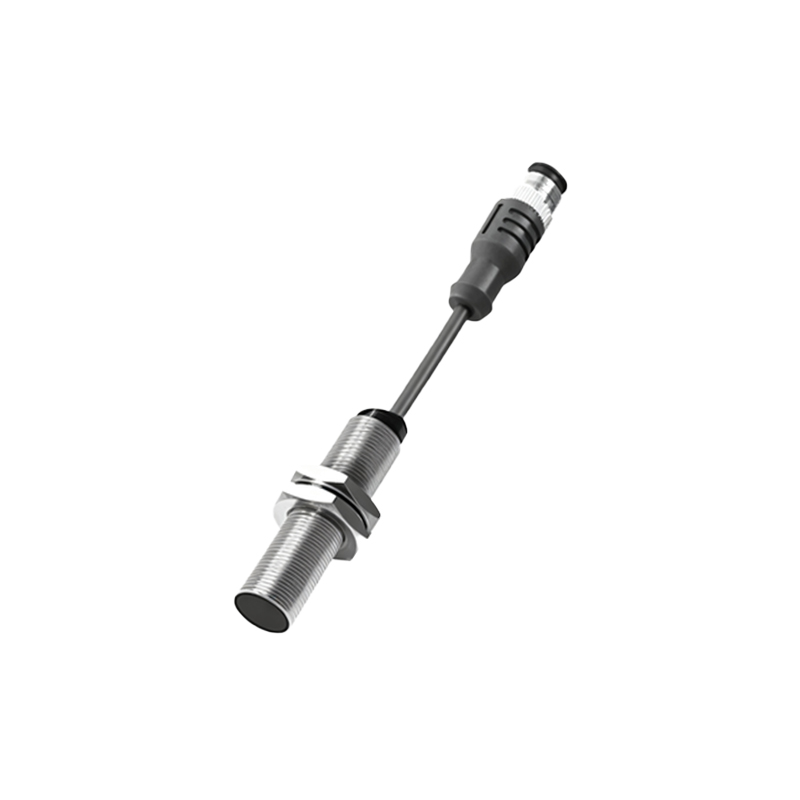
Complete sensor failure often results from wiring or connection problems. Corrosion in cable glands or connectors is a silent culprit, particularly in high-humidity areas such as wastewater treatment facilities. Even with waterproof ratings, prolonged exposure to corrosive substances can compromise integrity. Using marine-grade stainless steel housings and checking for proper gland tightening during installation helps. Additionally, loose terminals or damaged cables from mechanical stress—common in conveyor belt applications—can interrupt signals. Implementing strain relief mechanisms and routine insulation resistance tests (e.g., megohmmeter checks) prevents unexpected breakdowns.
Internal electronic failures, though less frequent, occur due to voltage spikes or water ingress. Waterproof sensors with IP69K ratings withstand high-pressure washdowns, but repeated thermal shock can cause micro-cracks in housing. In automotive manufacturing, for example, hydraulic fluid leaks might penetrate seals. Surge protectors or transient voltage suppressors should be integrated into the circuit. If internal condensation is suspected, placing silica gel packets in junction boxes or selecting sensors with breathable membranes can manage moisture.
False outputs may also arise from improper mounting or alignment. Vibrations in machinery can loosen brackets, causing the sensor to shift away from the target path. In robotic assembly lines, misalignment by just a few millimeters can disrupt detection. Using rigid mounts and performing alignment checks during preventive maintenance is crucial. For cylindrical sensors, ensuring the sensing face is parallel to the target maximizes reliability.
To enhance longevity, adopt a proactive maintenance strategy. Document sensor performance trends using PLC data logs to spot deviations early. Choose sensors with diagnostic LEDs or IO-Link capabilities for real-time health monitoring. When replacing units, match not only the IP rating but also the material compatibility—for instance, PTFE-coated sensors resist chemical corrosion better in pharmaceutical environments.
In summary, waterproof proximity sensor faults typically involve environmental interference, electrical issues, or mechanical wear. By combining correct installation practices, regular maintenance, and selecting sensors suited for specific operational stresses, industries can minimize failures. As automation evolves, integrating smart sensor technologies will further enable predictive maintenance, reducing unplanned stoppages and ensuring seamless production flow.