Plastic proximity switch sensors represent a significant advancement in industrial automation, offering unique advantages over traditional metal-housed sensors. These non-contact detection devices utilize electromagnetic fields, capacitive coupling, or ultrasonic waves to detect the presence or absence of objects without physical contact. The core innovation lies in their housing and sensing face constructed from engineered plastics such as PBT, PPS, or PVDF, providing exceptional performance in challenging environments.
The operational principle varies by technology. Inductive plastic proximity sensors generate an oscillating electromagnetic field from a coil within the plastic housing. When a metallic target enters this field, eddy currents are induced, dampening the oscillation and triggering a switching signal. Capacitive versions detect both metallic and non-metallic materials by monitoring changes in capacitance between the sensor's electrode and the target. Ultrasonic plastic sensors measure the time-of-flight of sound waves. The plastic construction is particularly beneficial for capacitive and ultrasonic types, as plastics don't interfere with electrical fields or sound waves like metal housings might.
Key advantages drive their adoption. First is superior chemical resistance. High-grade plastics withstand exposure to aggressive chemicals, coolants, solvents, and cleaning agents that would corrode metal sensors, making them ideal for chemical processing, food and beverage, and pharmaceutical industries. Second is non-magnetic and non-conductive properties. This eliminates the risk of sensor interaction with magnetic materials or causing electrical shorts, crucial in applications involving magnets or conductive debris. Third is weight reduction, simplifying installation and reducing load on moving machinery. Fourth, certain plastics offer excellent performance in washdown and high-hygiene environments common in food production.
Design and selection considerations are critical. Engineers must evaluate the sensing range, which is typically shorter than metal counterparts due to the damping effect of plastics on electromagnetic fields. The choice of plastic material is paramount: PBT offers good mechanical strength and thermal stability; PPS provides exceptional chemical and heat resistance; PVDF is outstanding for purity and chemical inertness. The IP (Ingress Protection) rating, often reaching IP67, IP68, or IP69K, indicates suitability for wet or dusty conditions. Output configuration (PNP/NPN, NO/NC), supply voltage (10-30V DC commonly), and connection type (cable or connector) must match control system requirements.
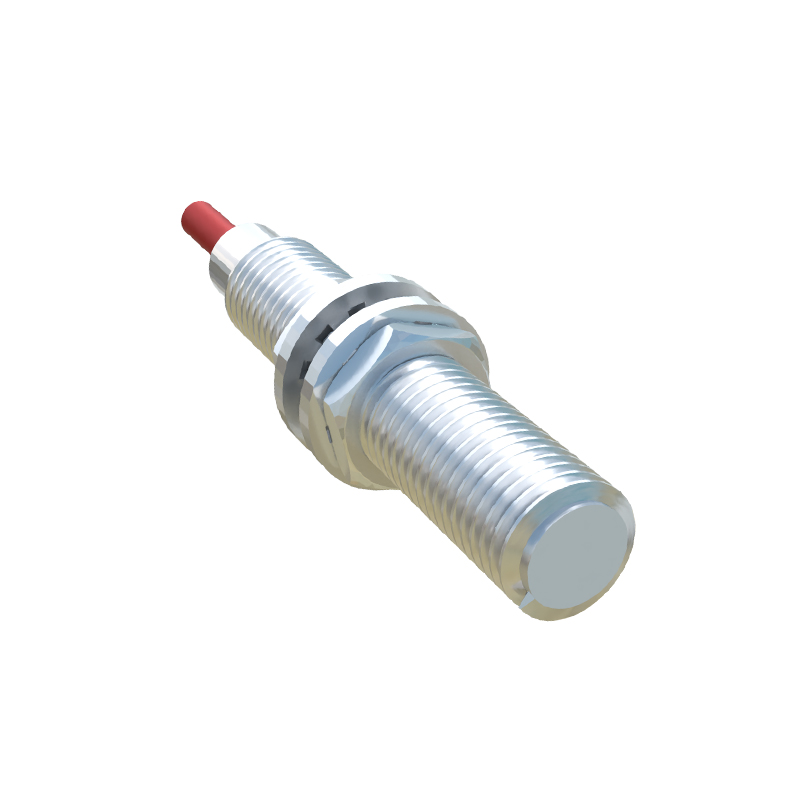
Application examples abound across industries. In packaging machinery, plastic sensors reliably detect plastic bottles, foil wrappers, or cardboard boxes on high-speed lines without signal interference. In automotive assembly, they monitor the presence of non-metallic components like plastic trim pieces or rubber gaskets. In semiconductor manufacturing, their non-metallic, cleanroom-compatible design prevents contamination. In marine or offshore applications, they resist saltwater corrosion. A notable use is in metal detection systems themselves, where plastic housings prevent false triggers from the sensor's own body.
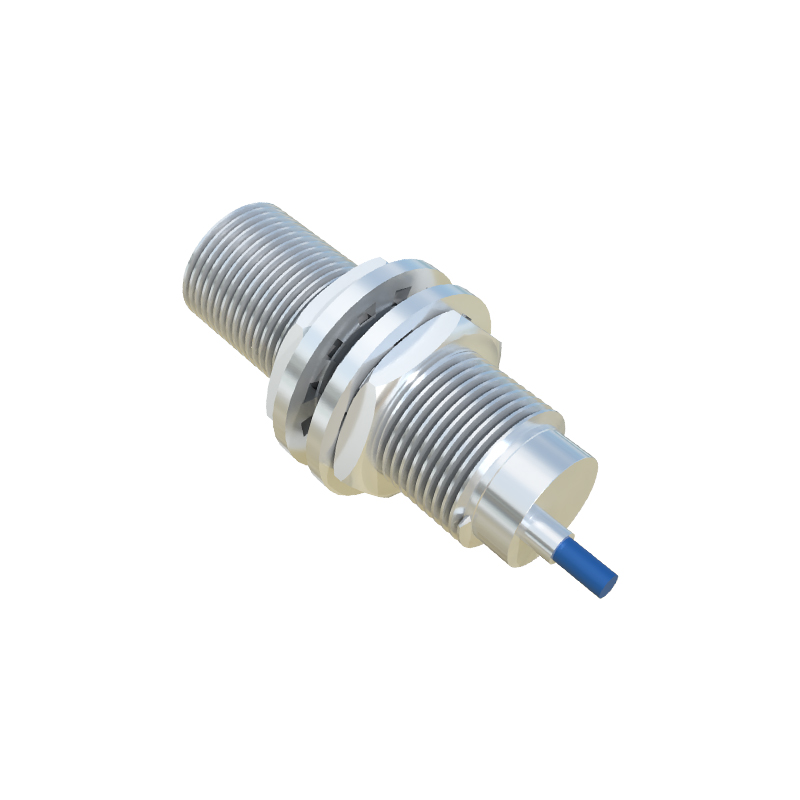
Installation and maintenance practices differ slightly. While robust, plastic sensors require careful mounting to avoid mechanical stress cracks. Adequate clearance from metal backplanes or adjacent sensors is necessary to prevent reduced sensing ranges. Regular cleaning of the sensing face from buildup of dust, grease, or product residue is essential, a task made easier by the smooth plastic surface. Unlike metal sensors, they are not susceptible to chip accumulation on the sensing face, which can alter detection characteristics.
The future of plastic proximity sensors is tied to Industry 4.0 trends. Integration with IO-Link for digital communication enables parameter setting, process data monitoring, and predictive maintenance alerts. Miniaturization continues, allowing installation in tight spaces. Development of hybrid materials and composites may further enhance sensing range and durability. As industries demand more corrosion-resistant, lightweight, and chemically inert solutions, the role of plastic proximity switch sensors is set to expand, solidifying their position as a versatile and reliable component in the modern industrial sensor portfolio.