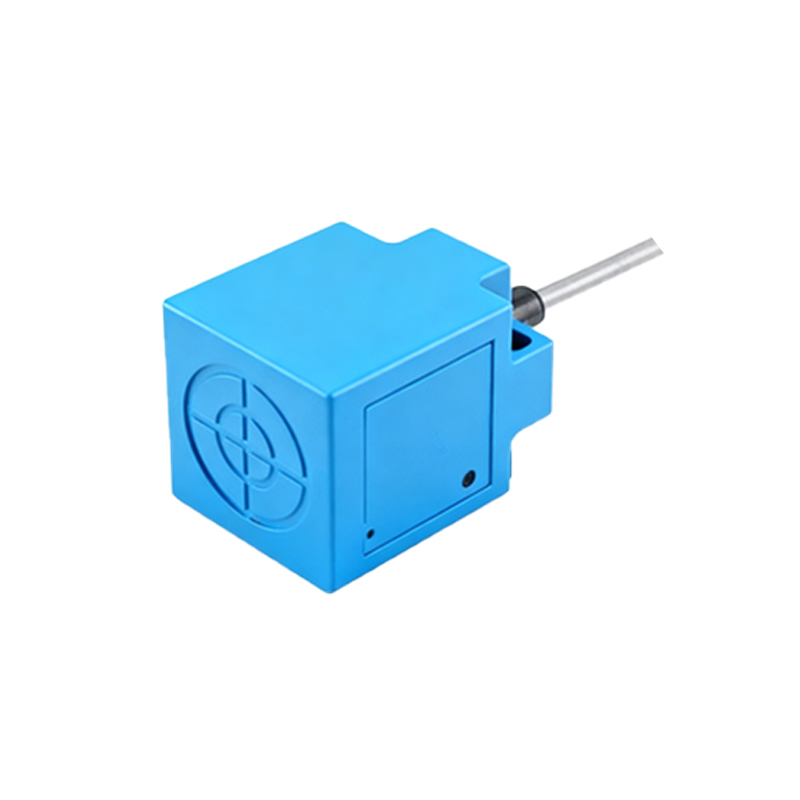
In the rapidly evolving landscape of industrial automation and smart manufacturing, visual proximity sensors have emerged as a critical component, bridging the gap between traditional sensing technologies and advanced machine vision systems. These sophisticated devices are designed to detect the presence, absence, or position of objects within a specified range without physical contact, utilizing optical principles to deliver high-precision data. Unlike simple photoelectric sensors, visual proximity sensors integrate imaging capabilities, often incorporating cameras or laser-based systems, to capture detailed visual information about the target environment. This enables them to perform complex tasks such as object recognition, dimensional measurement, and quality inspection, all while maintaining the non-contact advantages of proximity sensing.
The core functionality of visual proximity sensors revolves around their ability to process visual data in real-time. Typically, these sensors consist of a light source, an image sensor (like a CMOS or CCD array), and a processing unit. The light source, which can be LED-based or laser, illuminates the target area. The reflected light is then captured by the image sensor, converting it into digital signals. Advanced algorithms analyze these signals to determine parameters such as distance, shape, color, or orientation. For instance, in automotive assembly lines, visual proximity sensors are deployed to verify the correct placement of components like brake pads or airbags, ensuring that each part aligns perfectly within tolerances as fine as a few micrometers. This level of accuracy significantly reduces human error and enhances overall production efficiency.
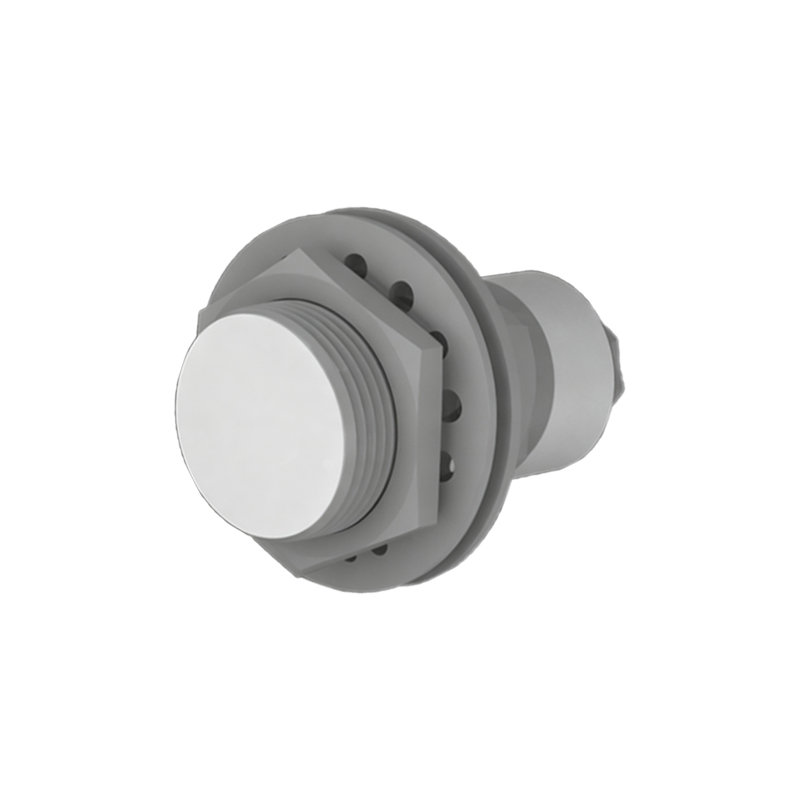
One of the key advantages of visual proximity sensors is their versatility across diverse industrial applications. In logistics and warehousing, they facilitate automated sorting systems by identifying packages based on size, label, or barcode, even in dynamic environments with varying lighting conditions. In robotics, these sensors enable collaborative robots (cobots) to safely interact with human workers by detecting proximity and adjusting movements accordingly, thus preventing accidents and optimizing workflow. Additionally, in the electronics industry, visual proximity sensors are indispensable for PCB inspection, detecting minute defects like soldering errors or component misalignments that might escape the human eye. Their ability to operate in harsh conditions—such as extreme temperatures, dust, or vibration—makes them suitable for heavy industries like mining and metal fabrication, where reliability is paramount.
However, implementing visual proximity sensors requires careful consideration of factors like environmental interference, calibration, and integration with existing control systems. Challenges such as ambient light fluctuations, reflective surfaces, or occlusions can affect sensor performance, necessitating the use of filters, shielding, or adaptive algorithms. Moreover, the initial setup and programming demand expertise in both hardware configuration and software development, often involving machine learning techniques for pattern recognition. Despite these hurdles, the return on investment is substantial, as visual proximity sensors contribute to reduced downtime, lower maintenance costs, and improved product quality. As Industry 4.0 advances, the integration of these sensors with IoT platforms and AI-driven analytics is paving the way for predictive maintenance and fully autonomous operations, further solidifying their role as a cornerstone of modern industrial ecosystems.
In conclusion, visual proximity sensors represent a transformative technology that extends beyond mere detection to encompass intelligent analysis and decision-making. By combining the non-contact benefits of proximity sensing with the rich data acquisition of vision systems, they empower industries to achieve higher levels of automation, safety, and precision. As research continues to enhance their capabilities—such as through 3D imaging or faster processing speeds—their adoption is expected to grow, driving innovation in sectors from manufacturing to healthcare. For engineers and industry professionals, understanding the principles and applications of these sensors is essential for leveraging their full potential in an increasingly automated world.