Proximity sensors, the silent sentinels of modern industry, have evolved far beyond simple detection devices. Their ability to sense the presence or absence of an object without physical contact has made them indispensable across a staggering array of applications. From the high-speed assembly lines of automotive manufacturing to the delicate environments of food processing, these sensors provide the critical data that drives automation, enhances safety, and ensures precision.
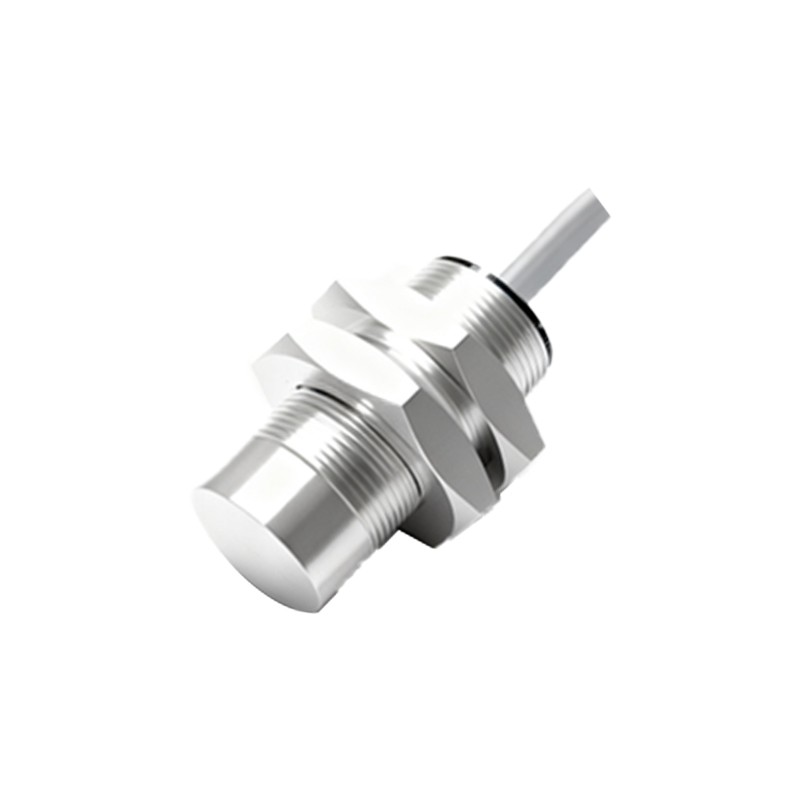
In industrial automation, the use of proximity sensors is foundational. Inductive sensors, which detect metallic objects, are extensively employed for tasks like part counting on conveyor belts, verifying the position of machine components such as robotic arms or CNC tooling, and monitoring rotational speed by detecting gear teeth or bolts. This allows for seamless process control, preventing jams and ensuring machines operate only when a part is correctly positioned. Capacitive sensors, capable of detecting both metallic and non-metallic materials like wood, plastic, or liquids, find their niche in level control within silos or tanks, and in packaging lines where the presence of a bottle, regardless of its material, must be confirmed before filling.
The automotive sector is a prime example of proximity sensor proliferation. They are integral to robotic welding stations, ensuring body panels are perfectly aligned before a weld is made. On assembly lines, they verify the correct installation of components like pistons or valves within engines. Beyond manufacturing, these sensors are embedded within the vehicles themselves. Modern cars utilize them in parking assistance systems, where ultrasonic or electromagnetic sensors measure the distance to obstacles, providing audible or visual warnings to the driver. They are also crucial in safety systems, such as detecting whether a seat is occupied to enable or disable airbag deployment.
Safety and access control represent another critical domain. Magnetic proximity sensors, often in the form of reed switches, are ubiquitous in door and window security alarms, triggering an alert when an opening is breached. In hazardous industrial areas, safety light curtains—arrays of photoelectric sensors—create an invisible barrier. If a worker's hand breaks this beam while a machine is in operation, an immediate shutdown command is sent, preventing potential injury. Similarly, on automated guided vehicles (AGVs) and in warehouse robotics, proximity sensors act as collision avoidance systems, allowing these machines to navigate dynamically around obstacles and human workers.
The influence of proximity sensing extends into consumer electronics and everyday life. Smartphones use capacitive sensors to disable the touchscreen when held to the ear during a call. Automatic faucets and soap dispensers in public restrooms rely on infrared or ultrasonic sensors to detect hands, promoting hygiene and conserving water. In the home, robotic vacuum cleaners navigate rooms using a suite of proximity sensors to avoid stairs and furniture. Even in agriculture, sensors monitor grain levels in storage facilities or help guide autonomous harvesting equipment.
The choice of sensor technology—inductive, capacitive, ultrasonic, photoelectric, or magnetic—is dictated by the specific application requirements: target material, required sensing distance, environmental conditions (like dust, moisture, or temperature extremes), and needed response speed. This versatility is their greatest strength. As Industry 4.0 and the Internet of Things (IoT) advance, the role of the proximity sensor is expanding. Modern sensors with IO-Link or other networking capabilities not only provide a detection signal but also transmit diagnostic data, enabling predictive maintenance and deeper integration into smart factory systems. They are no longer just switches; they are intelligent data points that feed the digital ecosystem of modern production and safety management, proving that this fundamental technology remains at the cutting edge of innovation.