Proximity sensors are indispensable components in modern industrial automation, robotics, and countless electronic systems. Their ability to detect the presence or absence of an object without physical contact makes them vital for precision, reliability, and safety. For engineers and designers, selecting the right sensor hinges on a deep understanding of its key parameters. This guide delves into the essential specifications that define a proximity sensor's performance and application suitability.
The foremost parameter is the Sensing Distance. Also known as the nominal range or Sn, this is the maximum distance at which the sensor can reliably detect a standard target under specified conditions. It is crucial to note that this distance is typically defined for a standard target material and size (often mild steel for inductive sensors). The actual sensing distance can vary with the target's material, shape, and size. Engineers must always consider the Operating Distance, which accounts for manufacturing tolerances and environmental factors, typically being 90% of the nominal sensing distance. The Hysteresis is the difference between the switch-on point (as the target approaches) and the switch-off point (as it moves away). This parameter prevents output oscillation when a target is at the sensing limit, ensuring stable switching.
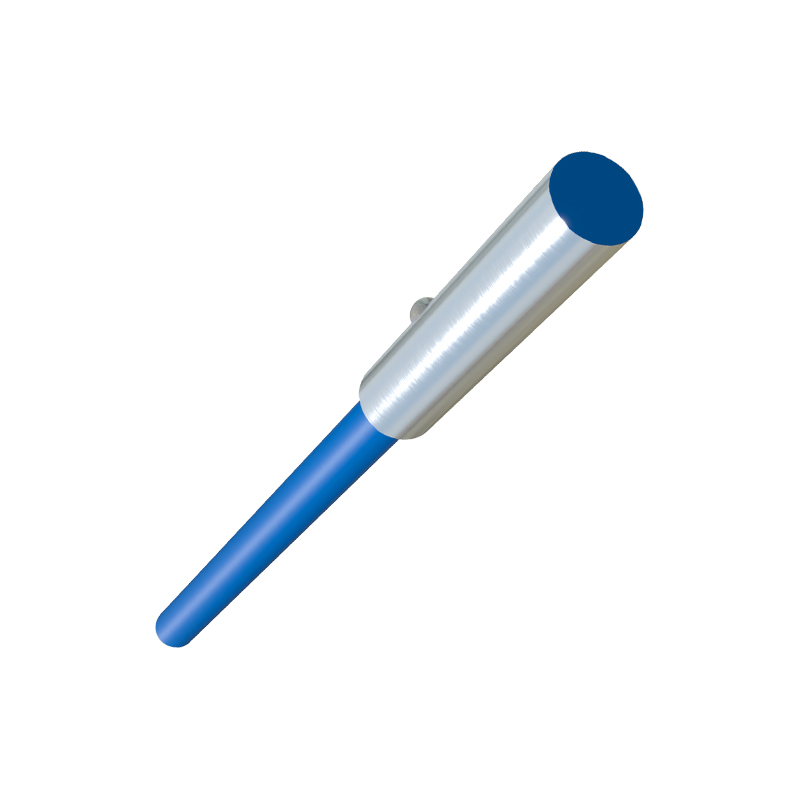
The Output Type is a fundamental selection criterion. Proximity sensors primarily offer digital outputs: NPN (sinking) or PNP (sourcing) transistor configurations for DC sensors, and two-wire AC/DC or three-wire AC configurations. Analog outputs (4-20 mA or 0-10 V) are also available for applications requiring continuous distance measurement. The Switching Frequency or response time defines how quickly the sensor can react to a passing target. Measured in Hertz (Hz), it indicates the maximum number of on/off cycles per second. This is critical for high-speed counting or positioning applications. A related parameter is the Response Time, the delay between the sensing event and the output change, usually specified as rise and fall times.
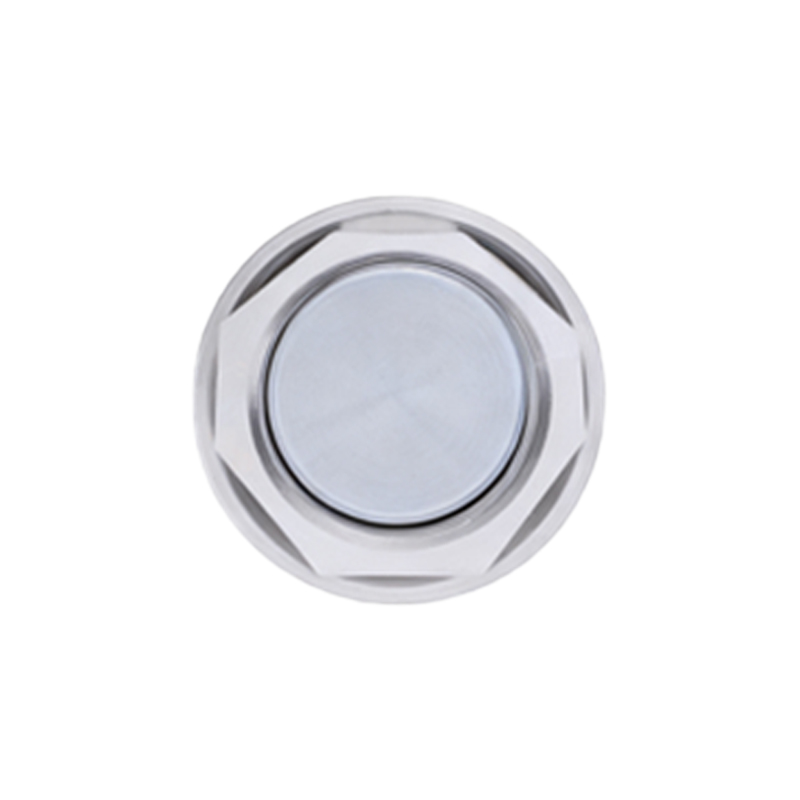
Repeatability is a measure of precision, defining the sensor's ability to consistently detect a target at the same point under identical conditions. High repeatability is essential for precise positioning tasks. Linearity, primarily for analog sensors, refers to how accurately the analog output signal represents the actual distance over the sensing range. A perfectly linear response simplifies signal interpretation.
Environmental and electrical specifications are equally vital. The Operating Voltage Range specifies the power supply limits within which the sensor functions correctly. Current Consumption is important for system power budgeting. Protection Rating, denoted by IP (Ingress Protection) or NEMA codes, indicates the sensor's resilience against dust and water (e.g., IP67 for dust-tight and immersion protection up to 1m). Temperature Range (operating and storage) ensures the sensor will perform in the intended environment, from freezing cold storage to hot factory floors.
For inductive sensors, the target material significantly impacts performance. The Reduction Factor specifies the reduced sensing distance for metals other than mild steel (e.g., stainless steel or aluminum). Capacitive sensors are influenced by the Dielectric Constant of the target material. Furthermore, Shielding is a key design feature. Shielded (flush-mountable) sensors have a reduced sensing range but can be installed flush in metal without affecting operation. Unshielded (non-flush) sensors offer a longer range but require a clear installation area.
Other critical parameters include Short-Circuit Protection and Reverse Polarity Protection for enhanced durability, EMC (Electromagnetic Compatibility) compliance to ensure operation in electrically noisy environments, and Mean Time Between Failures (MTBF) for reliability forecasting. Finally, physical specifications like Housing Material (e.g., brass, stainless steel, PBT plastic) and connection type (cable or connector) are selected based on mechanical stress and chemical exposure.
In conclusion, a successful application is not about finding the sensor with the single highest specification, but about matching the complex interplay of these parameters—sensing distance, output, speed, environmental robustness, and target interaction—to the specific demands of the operational environment and control system. A thorough analysis of these factors ensures optimal performance, longevity, and system integration.