Proximity sensors are essential components in modern industrial automation, offering non-contact detection of objects within a specified range. These devices operate based on various principles, each with distinct characteristics that determine their suitability for different applications. The fundamental types include inductive, capacitive, ultrasonic, and photoelectric sensors, each leveraging specific physical phenomena to detect presence, position, or movement without physical contact.
Inductive proximity sensors are widely used for detecting metallic objects. They generate an electromagnetic field and respond to changes caused by conductive materials entering this field. Key characteristics include sensing distance, which typically ranges from a few millimeters to several centimeters, depending on the sensor size and target material. Repeat accuracy is another critical feature, ensuring consistent detection under varying environmental conditions. These sensors are known for their robustness, resistance to dirt, oil, and moisture, making them ideal for harsh industrial environments like manufacturing lines or automotive assembly.
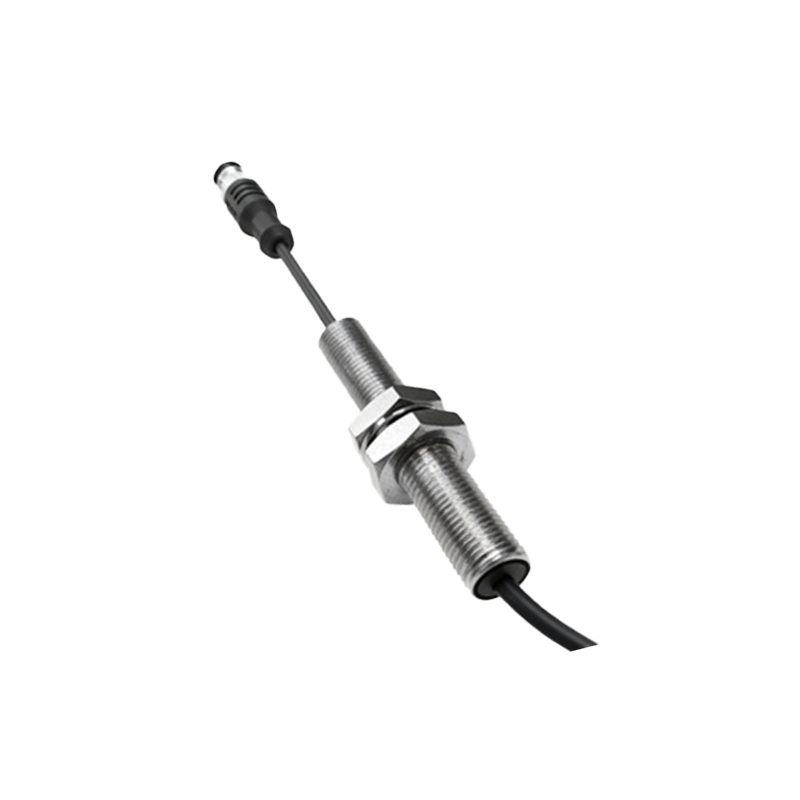
Capacitive proximity sensors can detect both metallic and non-metallic materials, including liquids, plastics, and wood. They function by measuring changes in capacitance when an object enters their electrostatic field. Characteristics such as sensitivity adjustment allow customization for different materials, while their ability to detect through non-metallic barriers adds versatility. However, they may be influenced by environmental factors like humidity or temperature fluctuations, requiring careful installation.
Ultrasonic proximity sensors use sound waves to detect objects, making them effective for a wide range of materials and surfaces, regardless of color or transparency. Key characteristics include a longer sensing range compared to inductive or capacitive types, often extending up to several meters. They offer high precision in distance measurement but can be affected by air turbulence, temperature, or soft materials that absorb sound. Applications include level detection in tanks or obstacle avoidance in automated guided vehicles.
Photoelectric proximity sensors rely on light beams, typically infrared, to detect objects. They are categorized into through-beam, retro-reflective, and diffuse-reflective types, each with unique operational characteristics. Through-beam sensors provide the longest sensing distances and high reliability, while diffuse-reflective sensors are compact and suitable for detecting objects at close range. Characteristics like response time and light source stability are crucial, especially in high-speed automation or environments with ambient light interference.
Common performance metrics across all proximity sensors include switching frequency, which defines how quickly they can detect objects; hysteresis, which prevents output oscillation near the sensing threshold; and environmental resistance to factors like vibration, shock, or electromagnetic interference. Selecting the right sensor involves balancing these characteristics with application requirements, such as target material, required sensing distance, and operating conditions.
In summary, understanding the basic characteristics of proximity sensors—such as sensing principle, range, accuracy, and environmental adaptability—is vital for optimizing industrial processes. As technology advances, innovations like miniaturization and enhanced connectivity continue to expand their capabilities, driving efficiency and reliability in automation systems worldwide.