For electrical engineers, maintenance technicians, and procurement specialists working with industrial automation, the nameplate on a proximity sensor is a critical source of information. Often overlooked during hurried installations or troubleshooting, this small metal or plastic tag holds data essential for correct operation, replacement, and system documentation. Unlike more prominent components, the location of the nameplate on a proximity sensor is not standardized across manufacturers or even across different product families from the same brand. However, understanding common placement practices can save significant time and prevent errors.
Typically, the nameplate is affixed to the body of the sensor. For cylindrical barrel-style inductive or capacitive proximity sensors, the most frequent location is on the cylindrical housing itself. It is often positioned along the length of the barrel, either stamped directly into the metal housing or on a label. In some designs, especially those with smaller diameters, the information might be laser-etched. For rectangular or block-style sensors, the nameplate is commonly found on one of the larger flat sides. It is crucial to inspect all sides, as the mounting orientation might make one face less accessible.
Another common location, particularly for sensors with a separate housing or a built-in amplifier, is on the side of the electrical connection compartment. Many sensors have a terminal block cover or a cable outlet section; the nameplate is frequently placed here. Before disconnecting any wires, check this area. For connectors or quick-disconnect models, the nameplate might be on the fixed body section rather than the removable plug.
Environmental factors influence nameplate placement and durability. Sensors rated for harsh conditions (e.g., IP67, IP69K) often have the information etched or embossed directly into stainless steel housings to resist corrosion, abrasion, and high-pressure washdowns. In such cases, the text might be on the rear or mounting nut surface. For sensors in extremely compact spaces, manufacturers sometimes place the essential data on the front sensing face rim—though this is less common.
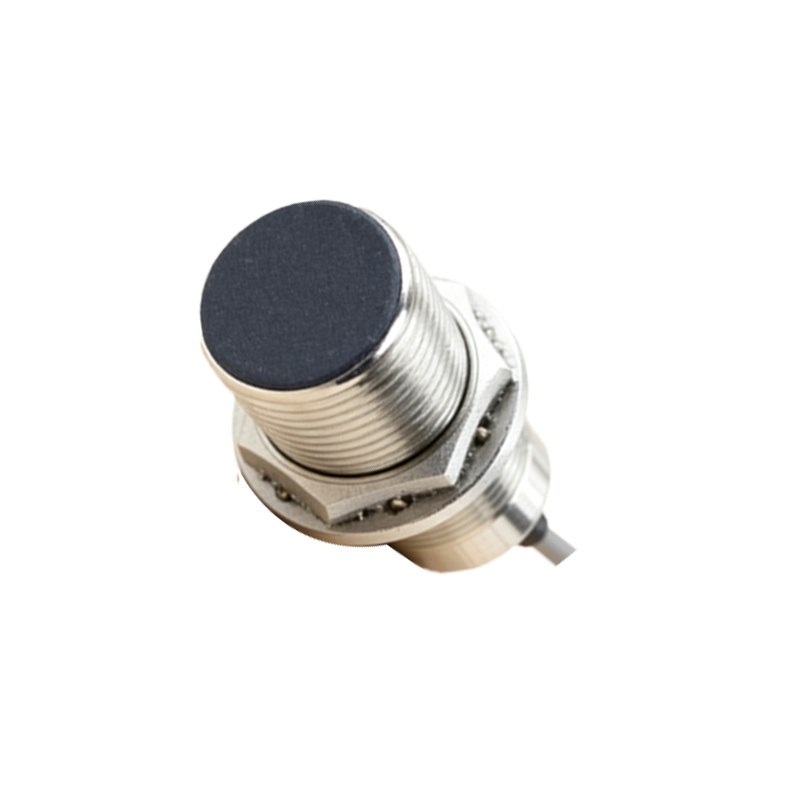
The nameplate contains vital specifications. Key details usually include:
Manufacturer Part Number/Model Code: The primary identifier for exact replacement.
Electrical Specifications: Operating voltage range (e.g., 10-30V DC), output type (PNP/NPN, NO/NC), and current rating.
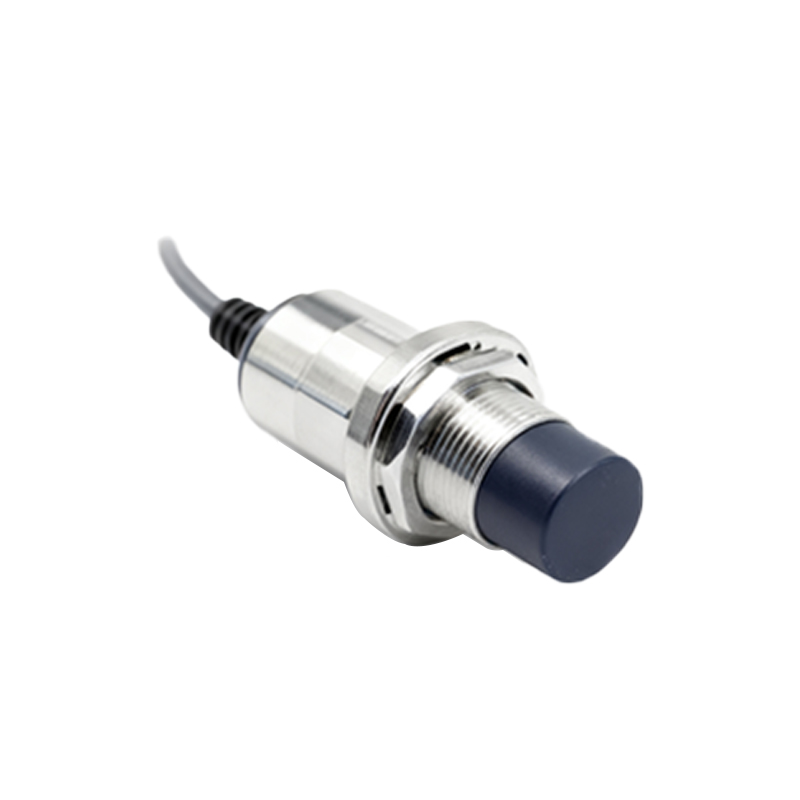
Sensing Specifications: Sensing distance (nominal), and for inductive sensors, the target material (e.g., steel, aluminum).
Output Function: Normally open (NO) or normally closed (NC).
Environmental Ratings: IP rating for ingress protection, temperature range, and relevant approvals (UL, CE, etc.).
Manufacturing Data: Lot number, date code, and sometimes a serial number.
If the nameplate is worn, damaged, or missing, do not rely on guesswork. Consult the original system schematics, the bill of materials, or the manufacturer's documentation. Using a sensor with incorrect specifications can lead to malfunction, damage to connected controllers, or safety hazards. When installing new sensors, it is a best practice to record the nameplate data into the plant's maintenance database before mounting, especially in hard-to-reach locations.
In summary, while there is no universal rule, systematically checking the sensor body—focusing on the barrel, flat sides, and connection area—will typically reveal the nameplate. Prioritizing its information ensures system integrity, simplifies troubleshooting, and guarantees that replacements are functionally identical, maintaining the reliability and safety of the automated system.