In the realm of industrial automation, proximity switch sensors play a pivotal role in enabling non-contact detection of objects, ensuring efficient and reliable operations. Among the diverse types available, BCT proximity switch sensors have garnered significant attention for their robust performance and adaptability in harsh environments. This article delves into the technical aspects, applications, and advantages of BCT proximity switches, providing insights for engineers and industry professionals.
BCT proximity switches are inductive sensors designed to detect metallic objects without physical contact. They operate based on the principle of electromagnetic induction, where an oscillating circuit generates a high-frequency magnetic field. When a metallic target enters this field, eddy currents are induced, causing a change in the oscillation amplitude. This alteration is detected by the sensor's circuitry, triggering an output signal. The "BCT" designation often refers to specific model series or configurations tailored for high-precision tasks, such as those in manufacturing lines, automotive assembly, or material handling systems.
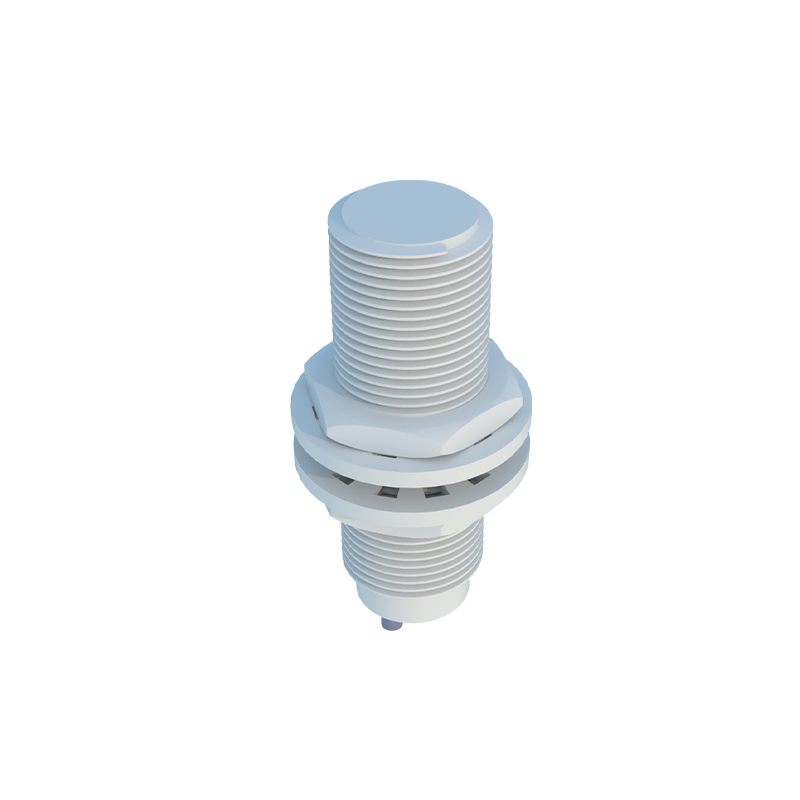
One of the key features of BCT proximity sensors is their durability. Constructed with stainless steel or nickel-plated brass housings, they resist corrosion, moisture, and mechanical impacts, making them suitable for use in challenging conditions like outdoor installations or washdown areas in food processing plants. Additionally, these sensors offer a wide operating temperature range, typically from -25°C to 70°C, ensuring stable performance across varying climates. Their sensing distances can vary based on model, with standard ranges from a few millimeters to several centimeters, allowing flexibility in design and integration.
In terms of electrical characteristics, BCT proximity switches commonly provide both PNP and NPN output configurations, compatible with programmable logic controllers (PLCs) and other control systems. They operate on DC voltages, such as 10-30V DC, and feature short-circuit and reverse polarity protection to prevent damage from wiring errors. Some advanced models incorporate LED indicators for status monitoring, enabling quick diagnostics during maintenance. The sensors are also available in different form factors, including cylindrical, rectangular, and ring-shaped designs, to accommodate space constraints and mounting requirements.
Applications of BCT proximity sensors span multiple industries. In automotive manufacturing, they are used for position sensing in robotic arms, detecting parts on conveyor belts, or monitoring door closures. In packaging machinery, these sensors ensure precise counting and alignment of products, reducing waste and downtime. The metal and woodworking sectors rely on them for tool positioning and safety interlocks, while in agriculture, they assist in automated equipment control. Their non-contact nature minimizes wear and tear, leading to lower maintenance costs and extended service life compared to mechanical switches.
When selecting a BCT proximity switch, engineers should consider factors like target material (ferrous or non-ferrous metals), sensing distance, environmental conditions, and output type. For instance, sensors with higher switching frequencies are ideal for high-speed applications, while those with IP67 or IP68 ratings offer enhanced protection against dust and water ingress. Regular calibration and testing are recommended to maintain accuracy, especially in precision-critical setups.
In conclusion, BCT proximity switch sensors represent a cornerstone of modern industrial automation, combining reliability, versatility, and efficiency. By understanding their technical specifications and applications, professionals can optimize system designs and enhance operational productivity. As technology evolves, innovations in sensor miniaturization and smart connectivity are expected to further expand their capabilities, driving advancements in Industry 4.0 initiatives.