Proximity switch sensors are fundamental components in modern industrial automation, serving as the eyes and ears of countless control systems. These non-contact sensors detect the presence or absence of an object within their sensing range without any physical touch. But what exactly do they control? The answer lies in their versatile application across a vast spectrum of automated processes, primarily focusing on the control of motion, position, sequencing, and safety.
At their core, proximity sensors provide a critical input signal to a Programmable Logic Controller (PLC) or other control unit. This simple signal—object detected or not detected—triggers complex chains of events. One of the most common control functions is positioning and motion control. In automated assembly lines, for instance, a proximity sensor detects when a part reaches a specific point on a conveyor. This signal can then command a robotic arm to pick up the part, instruct a pneumatic cylinder to push it onto another line, or trigger a machining operation like drilling or welding. They are essential for controlling the start, stop, and reversal of motors by confirming the home position or end-of-travel limits of moving components.
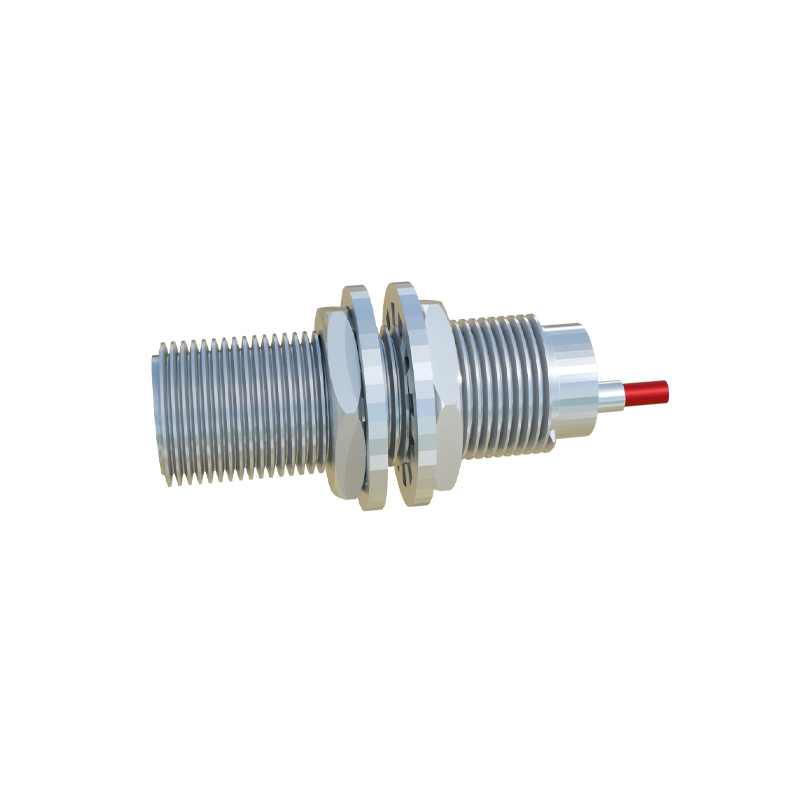
Furthermore, these sensors are pivotal for sequence and process control. In bottling plants, a capacitive proximity sensor verifies the presence of a liquid-filled bottle before capping. An inductive sensor checks if a metal component is correctly oriented before assembly. By controlling the logical sequence of operations, they prevent jams, misalignments, and production errors, ensuring smooth and efficient workflow. Without this control, automated processes would lack the basic intelligence to proceed from one step to the next reliably.
Counting and inventory control is another major area. By detecting each item that passes on a conveyor, proximity sensors feed data to counters. This allows for precise control of batch sizes, packaging quantities, and real-time inventory management. The control system can be programmed to divert packages after a certain count or signal for raw material replenishment when counts are low.
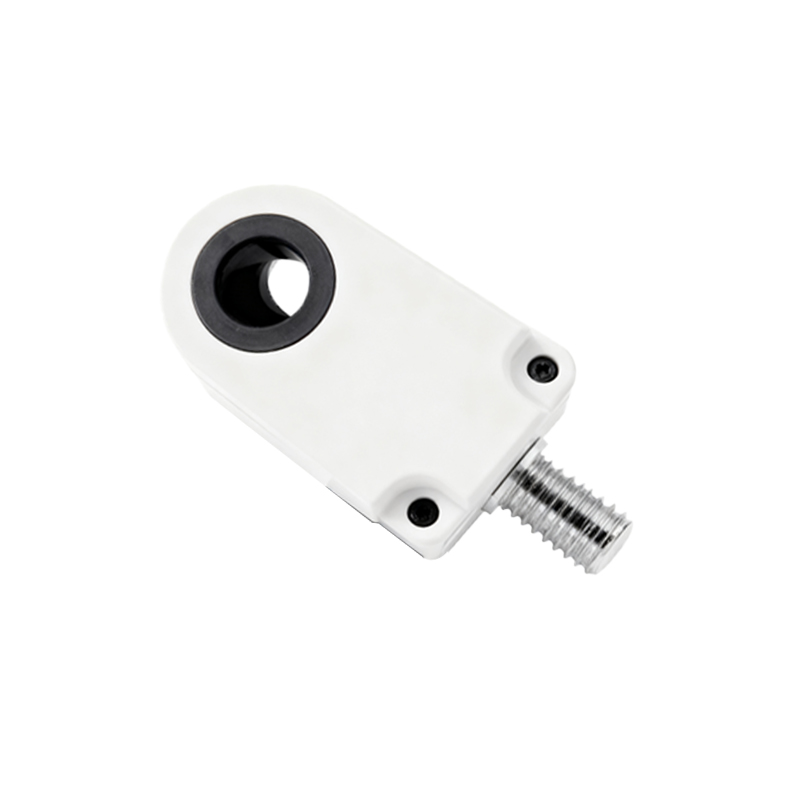
Perhaps most critically, proximity switches are indispensable for safety and interlock control. They act as guard sensors on machine access doors; if a door is opened during operation, the sensor detects the change and sends an immediate stop signal to the machine, controlling its state to prevent accidents. They form part of safety light curtains and area monitoring systems, controlling access to hazardous zones. In automated guided vehicles (AGVs), they control navigation and collision avoidance by detecting obstacles.
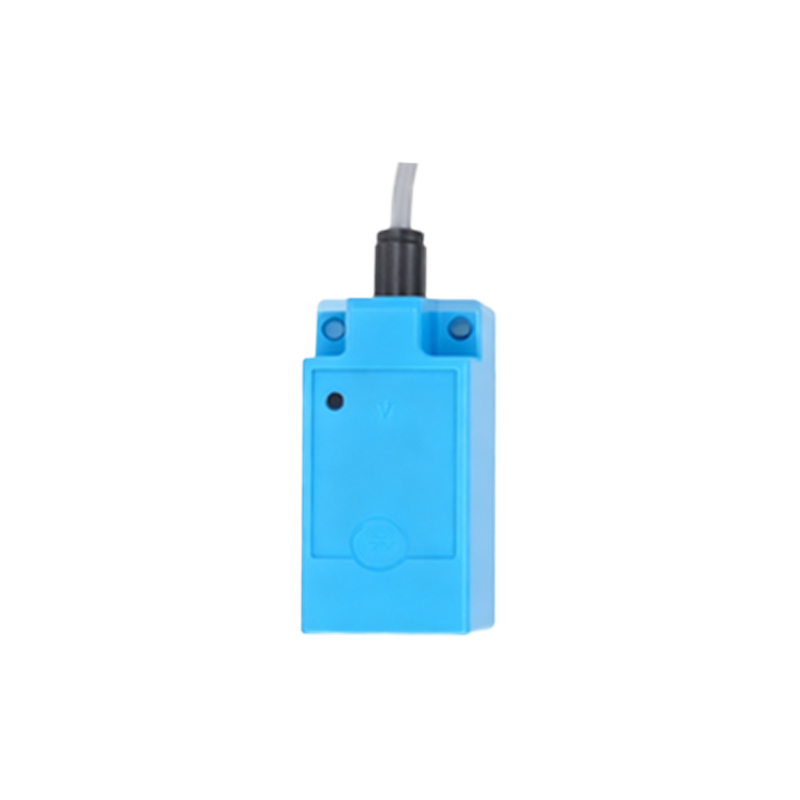
The type of proximity sensor—inductive (for metals), capacitive (for liquids, plastics, etc.), or photoelectric (for long-range detection)—determines the specific objects it can control interactions with. Inductive sensors are workhorses in metal machining, controlling tool changes and part clamping. Capacitive sensors in food processing control fill levels in containers. Photoelectric sensors control the registration of labels on high-speed packaging machines.
In summary, proximity switch sensors control the fundamental decisions in an automated system: when to act, where to act, and if it is safe to act. They translate physical presence into actionable electrical data, enabling precise, reliable, and safe control over machinery, processes, and material flow. Their role is not to supply power directly to massive motors, but to provide the intelligent signals that command those power elements, making them the silent, reliable arbiters of modern industrial logic.