In the rapidly evolving landscape of industrial automation, photoelectric proximity sensors have become indispensable components. These devices, which detect the presence, absence, or distance of objects using light beams, are critical for enhancing efficiency, safety, and precision in manufacturing and processing environments. If you're wondering where to find reliable photoelectric proximity sensors, this guide outlines key sources and considerations to help you source the right components for your specific needs.
One of the primary avenues for acquiring photoelectric proximity sensors is through specialized industrial suppliers and distributors. Companies like Siemens, Omron, Rockwell Automation, and Schneider Electric offer extensive catalogs of sensors tailored to various applications. These manufacturers provide detailed specifications, including sensing ranges, light sources (such as infrared, laser, or visible LED), output types (e.g., NPN, PNP, or analog), and environmental ratings (like IP67 for dust and water resistance). Purchasing directly from manufacturers or authorized distributors ensures product authenticity, access to technical support, and warranty coverage. For instance, Omron's E3Z series is renowned for its durability in harsh conditions, while Banner Engineering's QS18 series offers versatile options for diverse detection tasks.
Online marketplaces and e-commerce platforms have also emerged as convenient sources for photoelectric sensors. Websites like Amazon Industrial, Grainger, and Digi-Key stock a wide range of models from multiple brands, often with user reviews and competitive pricing. However, when buying online, it's crucial to verify seller credentials and product compatibility. Look for detailed datasheets and consult with supplier experts if available to avoid mismatches in voltage requirements (commonly 12-24V DC) or sensing capabilities. For specialized applications—such as detecting transparent objects, high-speed counting, or use in explosive atmospheres—niche suppliers like Pepperl+Fuchs or SICK Automation may offer tailored solutions. These companies often provide customization services and application engineering support to meet unique industrial demands.
Local industrial supply stores and trade shows are valuable resources for hands-on evaluation and immediate procurement. In many regions, distributors like RS Components or Motion Industries maintain physical warehouses where you can inspect sensors and discuss requirements with knowledgeable staff. Attending industry events, such as the Automation Fair or Hannover Messe, allows you to explore the latest sensor technologies, compare products from different vendors, and network with engineers. This can be especially useful for complex installations where factors like beam alignment, background interference, or response time (often in milliseconds) are critical.
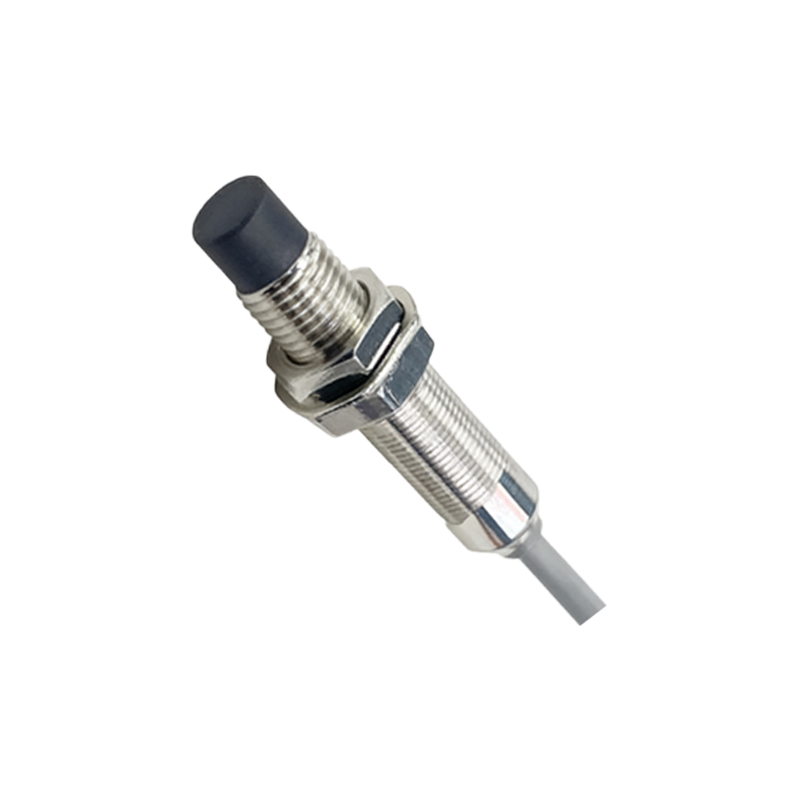
When selecting a photoelectric proximity sensor, consider key technical aspects beyond mere availability. Determine whether a diffuse, retro-reflective, or through-beam sensor type best suits your application. Diffuse sensors are ideal for short-range detection, while through-beam models offer longer ranges and higher accuracy. Additionally, assess environmental factors like ambient light, temperature extremes, or exposure to chemicals, as these can affect sensor performance. Many suppliers provide online configurators or simulation tools to help match sensors to specific use cases, such as conveyor belt monitoring, packaging lines, or robotic guidance.
In summary, finding photoelectric proximity sensors involves exploring manufacturer networks, online platforms, and local suppliers while prioritizing technical support and quality assurance. As Industry 4.0 advances, integrating these sensors with IoT systems for predictive maintenance and data analytics is becoming standard, so choosing scalable and compatible products is essential. By leveraging reputable sources and thoroughly evaluating specifications, you can ensure optimal sensor performance and longevity in your industrial operations.