In the realm of industrial automation and control systems, proximity sensors stand as critical components for non-contact detection of objects. Among the diverse types available, separable or disconnectable proximity switches offer unique advantages in terms of installation, maintenance, and flexibility. This article delves into the operational principles, key features, applications, and selection criteria for these sensors, providing a thorough understanding for engineers and technicians in the electrical and automation fields.
A separable proximity switch typically consists of two main parts: a sensing head and a separate amplifier or controller unit. This design allows the sensing element to be installed in tight or harsh environments while the electronic circuitry can be placed in a more protected location. The sensing head, often a compact and rugged component, detects the presence or absence of a target object without physical contact, utilizing technologies such as inductive, capacitive, or magnetic principles. Inductive sensors, for instance, generate an electromagnetic field and detect changes caused by metallic objects, making them ideal for metal detection in machinery. Capacitive sensors, on the other hand, respond to both metallic and non-metallic materials by sensing changes in capacitance, suitable for liquid level detection or plastic object sensing. The separable nature enables easy replacement or upgrade of the sensing head without disturbing the wiring or control system, reducing downtime and maintenance costs.
The core advantage of separable proximity switches lies in their modularity. In complex industrial setups, where sensors may be subjected to extreme temperatures, vibrations, or corrosive substances, having a detachable sensing head allows for quick swaps without needing to recalibrate the entire system. This is particularly beneficial in applications like conveyor systems, robotic arms, and packaging machines, where sensor failure can halt production lines. Moreover, the amplifier unit can often support multiple sensing heads, enabling cost-effective scalability. For example, in a large manufacturing plant, one central amplifier might manage several inductive sensing heads monitoring different parts of an assembly line, streamlining control and reducing wiring complexity.
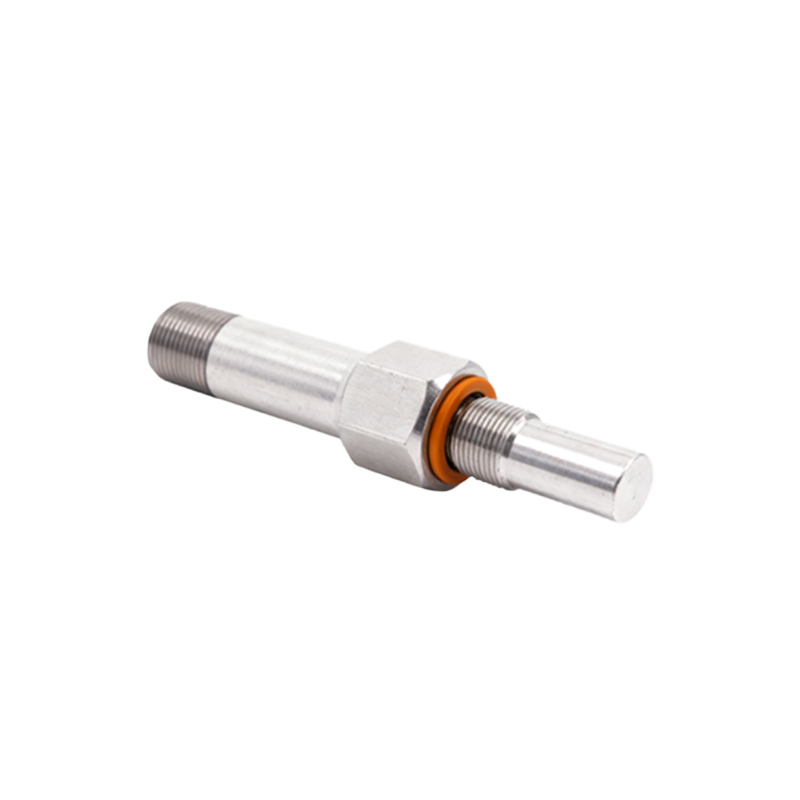
When selecting a separable proximity switch, engineers must consider several factors to ensure optimal performance. First, the sensing range and type of material to be detected are crucial; inductive sensors have limited range and work best with metals, while capacitive sensors offer broader material compatibility but may be affected by environmental factors like humidity. Second, environmental conditions such as temperature, pressure, and exposure to chemicals dictate the housing material and ingress protection (IP) rating of the sensing head. Stainless steel or plastic housings with high IP ratings (e.g., IP67 or IP69K) are common for harsh environments. Third, output configuration—whether it's digital (e.g., PNP or NPN) or analog—must align with the control system requirements. Additionally, response time and switching frequency are vital for high-speed applications, where delays can impact efficiency.
Installation and wiring practices also play a significant role in the reliability of separable proximity switches. Proper mounting, alignment, and shielding from electromagnetic interference (EMI) are essential to prevent false triggers or signal loss. Many modern separable sensors come with LED indicators for status monitoring and diagnostic features that aid in troubleshooting. For instance, some models include short-circuit protection or overload detection, enhancing system safety. In terms of maintenance, regular checks for wear, contamination, or damage to the sensing head can prolong sensor life. Cleaning the sensing surface and ensuring secure connections between the head and amplifier are simple yet effective practices.
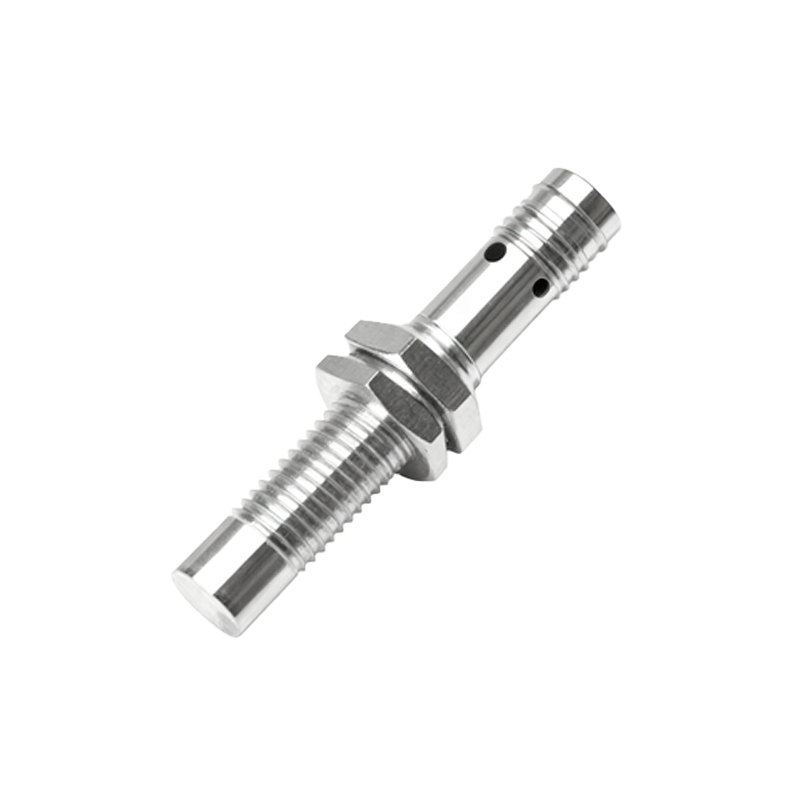
Applications of separable proximity switches span various industries, from automotive manufacturing to food processing. In automotive plants, they are used for position sensing in robotic welding arms, where the separable design allows easy access in confined spaces. In the food industry, capacitive separable sensors monitor fill levels in containers, with sensing heads made from food-grade materials to meet hygiene standards. Other common uses include object counting in logistics, safety interlocks in machinery, and presence detection in automated storage systems. The flexibility of these sensors makes them adaptable to evolving technological trends, such as the integration with Industrial Internet of Things (IIoT) platforms for real-time data analytics and predictive maintenance.
In conclusion, separable proximity switches represent a versatile and efficient solution for modern industrial automation. Their modular design enhances reliability, simplifies maintenance, and supports scalable operations. By understanding their working principles and selection criteria, engineers can leverage these sensors to improve system performance and reduce operational costs. As industries continue to advance toward smarter and more connected environments, the role of separable proximity sensors is likely to expand, driven by innovations in materials, connectivity, and miniaturization. For those in the electrical engineering field, staying informed about these developments is key to optimizing automation strategies and ensuring long-term success in a competitive landscape.