Proximity sensors are critical components in modern industrial automation, serving as non-contact detection devices for position sensing, object counting, and safety applications. When a proximity sensor fails, it can lead to production downtime, safety hazards, and costly repairs. This article explores eight common failure modes of proximity sensors, their root causes, and practical troubleshooting steps to restore optimal performance.
1. No Output Signal
A sensor may stop sending output signals due to internal circuit damage, wiring issues, or power supply problems. Check the power voltage first—ensure it matches the sensor’s specifications (e.g., 10-30 VDC). Inspect wiring connections for looseness or corrosion. If the power and wiring are intact, the sensor’s oscillator or output transistor may be faulty, requiring replacement.
2. Intermittent Operation
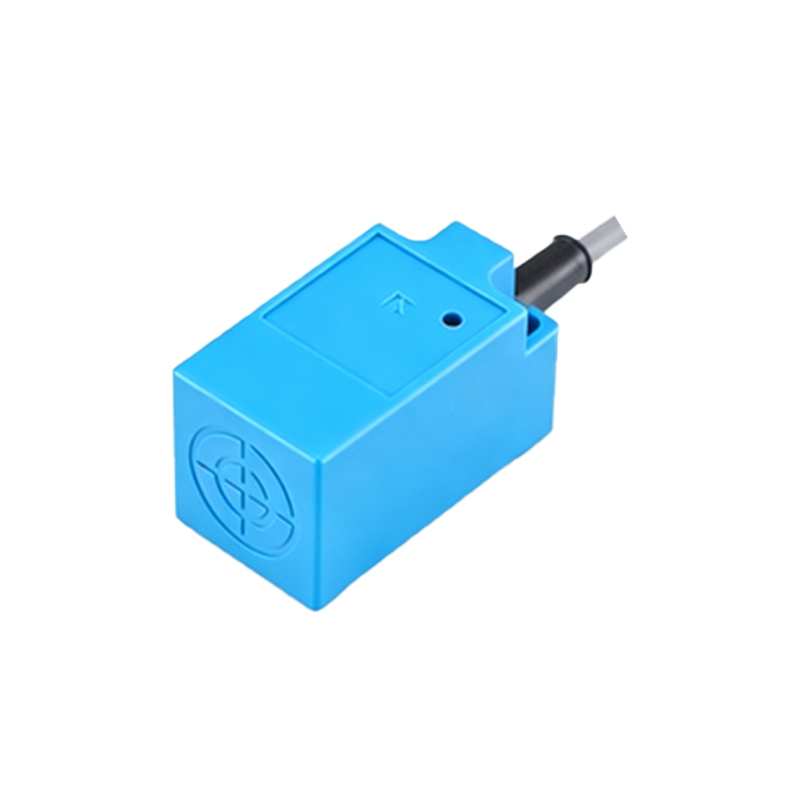
Intermittent failures often result from environmental factors like vibration, temperature fluctuations, or electromagnetic interference (EMI). Secure mounting brackets and use shielded cables to minimize EMI. Verify the operating temperature range; excessive heat or cold can cause internal components to behave erratically.
3. False Triggering
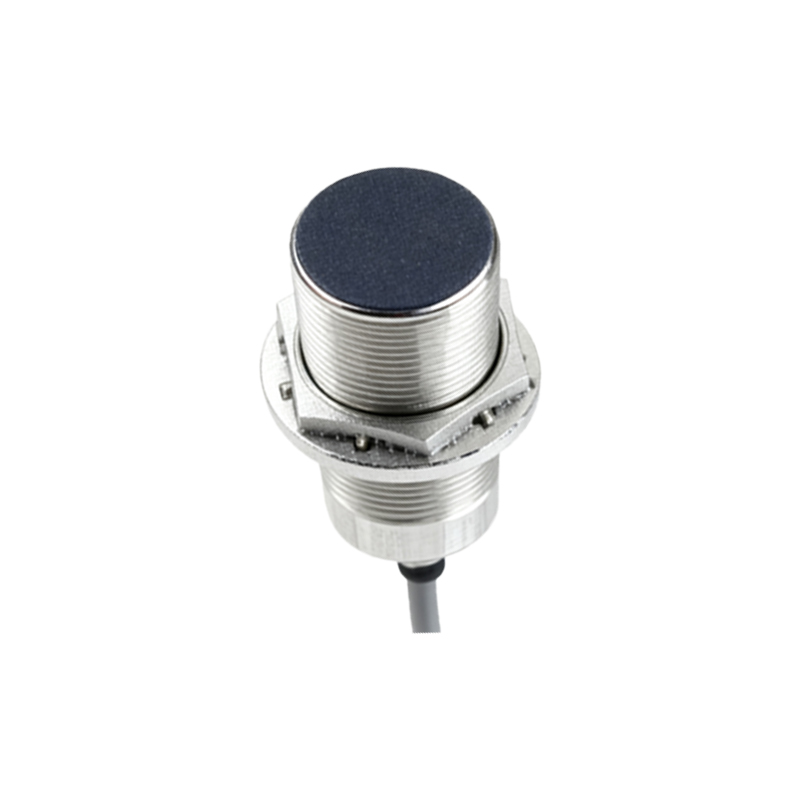
Sensors may activate without a target present due to contamination (e.g., dust, oil, or metal chips) on the sensing face. Clean the face regularly with a soft cloth and isopropyl alcohol. Additionally, ensure nearby machinery or conductive materials are not within the sensor’s detection field, causing interference.
4. Reduced Sensing Range
Over time, sensors can experience diminished detection distances. This is commonly caused by aging electronic components or buildup of debris on the face. Recalibrate the sensor according to the manufacturer’s guidelines. If the range remains insufficient, replace the sensor, as internal degradation may be irreversible.
5. Short-Circuit Failure
Electrical shorts can occur from moisture ingress, wire damage, or overvoltage events. Inspect the cable sheath for cracks and ensure IP-rated enclosures are sealed properly. Use surge protectors in areas with power instability. A short-circuited sensor typically shows zero resistance across terminals and must be replaced.
6. Overheating
Continuous operation at high currents or in elevated ambient temperatures can cause overheating. Verify the load current does not exceed the sensor’s rated capacity. Improve ventilation around the sensor or consider installing a heat sink. Persistent overheating may indicate a defective internal regulator.
7. Mechanical Damage
Physical impacts, misalignment, or excessive force during installation can crack housings or displace internal elements. Always follow mounting instructions—use appropriate brackets and avoid overtightening. For harsh environments, select sensors with robust designs (e.g., metal housings, high IP ratings).
8. Wear and Tear
Even with proper maintenance, sensors degrade over cycles of operation. Typical signs include drifting output signals or increased response times. Implement preventive maintenance schedules, testing sensors periodically. Replace units that show consistent performance decline to avoid unexpected failures.
Preventive Measures
- Regularly inspect and clean sensors.
- Ensure stable power supplies and proper grounding.
- Follow manufacturer specifications for installation and environmental limits.
- Train personnel on correct handling and troubleshooting procedures.
By understanding these failure modes, engineers can quickly diagnose issues, minimize downtime, and extend sensor lifespan. Always refer to technical datasheets and consult OEM support when in doubt.