Submersible laser distance sensors represent a significant advancement in industrial measurement technology, designed to deliver high-precision, non-contact distance and level measurements in environments where traditional sensors fail. These robust devices are engineered to withstand complete immersion in liquids, high-pressure conditions, and corrosive media, making them indispensable in sectors like water and wastewater management, chemical processing, marine engineering, and offshore operations.
The core technology leverages laser triangulation or time-of-flight (ToF) principles. In triangulation-based sensors, a laser diode projects a visible or infrared spot onto the target surface. The reflected light is captured by a high-resolution receiver at a specific angle, and the distance is calculated via geometric triangulation. This method offers exceptional accuracy for short to medium ranges. For longer ranges, ToF sensors measure the time delay between the emitted laser pulse and its return reflection, calculating distance based on the known speed of light. Modern submersible units integrate these optical systems within hermetically sealed housings, typically constructed from stainless steel (e.g., 316L) or specialized polymers, with pressure ratings often exceeding 10 bar. The optical window is made of hardened glass or sapphire to resist abrasion and chemical attack while maintaining optical clarity.
A primary application is in water reservoir and tank level monitoring. Sensors are mounted directly inside tanks, providing continuous, real-time data on liquid levels without being affected by surface foam, vapor, or changing fluid densities. This eliminates the need for external floats or pressure transducers that can drift or clog. In wastewater treatment plants, they accurately measure sludge levels in settling tanks and clarifiers, where opaque and viscous media would foul other sensor types. Their non-contact nature ensures minimal maintenance and high reliability.
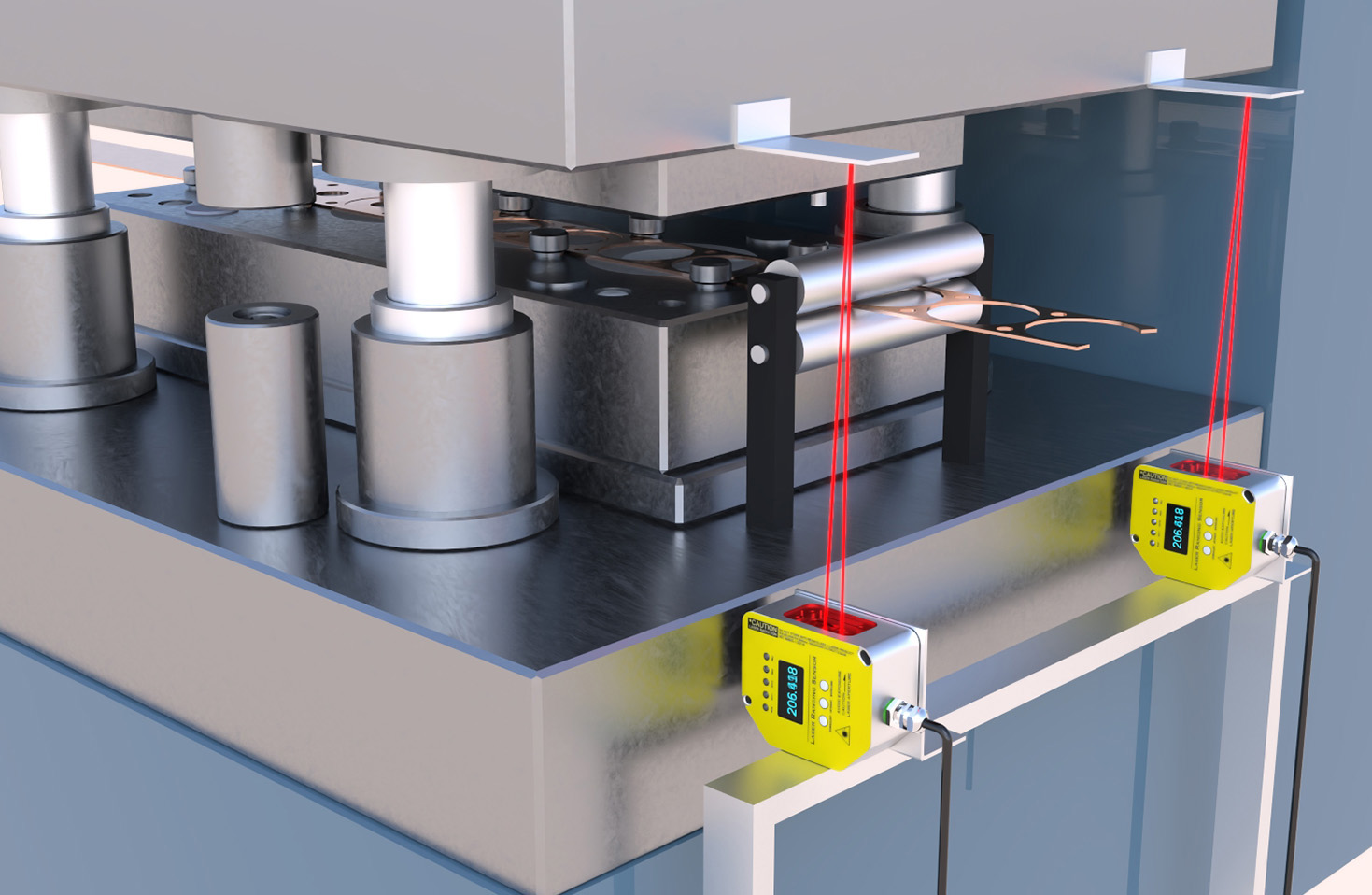
In the oil and gas industry, these sensors are critical for subsea applications. They monitor the level of fluids in separator vessels on the seabed or in floating production storage and offloading (FPSO) units. The ability to endure high ambient pressure and exposure to hydrocarbons is paramount. Similarly, in chemical processing, they provide safe measurement of aggressive acids, alkalis, or solvents within sealed reactors, enhancing process control and safety by eliminating measurement drift common in diaphragm-based systems.
Installation and integration require careful planning. Key considerations include selecting the appropriate pressure and temperature rating, ensuring the sensor material is compatible with the medium (avoiding galvanic corrosion), and correctly positioning the sensor to avoid interference from internal obstructions. Most models feature standard industrial outputs like 4-20 mA analog, RS-485, or IO-Link, allowing seamless integration into PLCs and SCADA systems. Advanced models include onboard diagnostics, temperature compensation, and programmable measurement windows to ignore fixed obstructions like ladders or agitators inside a tank.
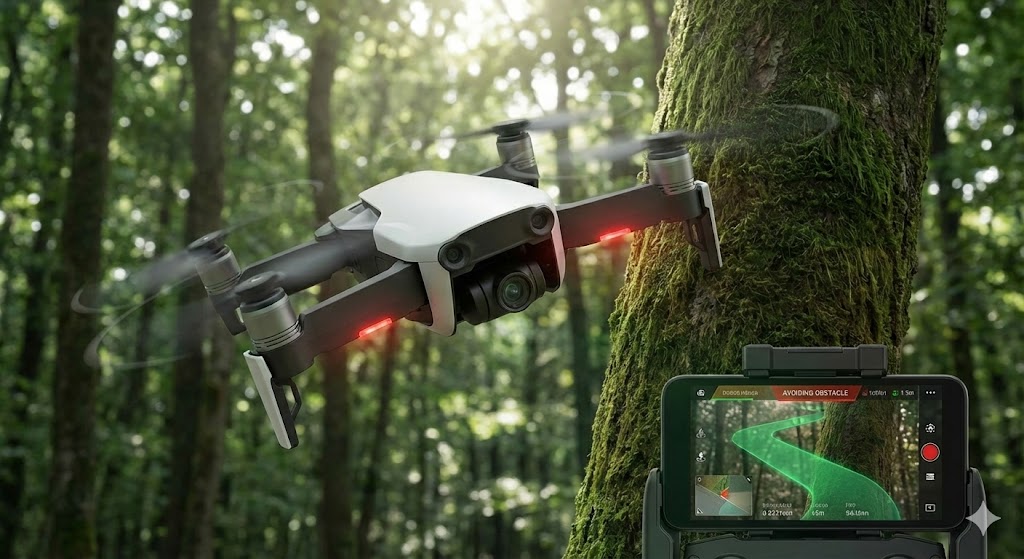
Performance is characterized by parameters such as measurement range (from a few centimeters up to several tens of meters), resolution (often down to sub-millimeter levels), linearity error, and long-term stability. Environmental factors like the refractive index of the medium (water vs. air) can affect laser propagation speed and must be accounted for in the sensor's configuration. Manufacturers typically provide correction factors for different fluids.
The future of submersible laser sensing points toward increased intelligence and connectivity. Integration with Industrial IoT platforms enables predictive maintenance, where sensors self-monitor window fouling or signal degradation and alert operators before failure. Enhanced algorithms can filter out noise from bubbles or turbulent surfaces. Furthermore, miniaturization and reduced power consumption are opening new applications in portable inspection devices and autonomous underwater vehicles (AUVs).
In conclusion, submersible laser distance sensors are a transformative tool for industrial measurement. By combining the precision of laser optics with rugged submersible design, they solve critical measurement challenges in hostile, submerged environments, driving efficiency, safety, and automation across numerous heavy industries. Their adoption is a testament to the ongoing convergence of optical precision engineering and robust industrial design.