Proximity sensors are indispensable components in modern industrial automation, robotics, and safety systems. Their primary function is to detect the presence or absence of an object within a specified range without physical contact. The composition of a typical proximity sensor is a sophisticated integration of several key subsystems, each playing a critical role in its reliable operation. Understanding these components is essential for engineers for proper selection, integration, and troubleshooting.
The core of most proximity sensors is the Oscillator Circuit. This circuit generates a high-frequency electromagnetic field at the sensing face. In inductive sensors, this field is generated by a coil wound around a ferrite core. Capacitive sensors use conductive plates to create an electrostatic field. The oscillator's stability and frequency are paramount, as they directly influence the sensor's sensitivity, switching frequency, and immunity to electrical noise. The generated field extends a short distance from the sensor's active surface, forming the detection zone.
The Detection/Trigger Circuit is the component that monitors changes in the oscillator's state. When a target object enters the sensor's detection field, it interacts with this field. For an inductive sensor, a conductive metal object will induce eddy currents on its surface, which draw energy from the oscillator, causing its amplitude to decrease. A capacitive sensor reacts to changes in dielectric constant; the presence of an object (even non-conductive materials like wood or plastic) alters the capacitance, which similarly affects the oscillator circuit. The detection circuit is finely tuned to recognize this specific change, distinguishing it from background interference or gradual environmental shifts.
Once a valid target is detected, the signal must be converted into a usable output. This is the role of the Output Switching Circuit. This circuit typically consists of a solid-state switch, such as a transistor (for DC sensors) or a triac (for AC sensors). The detection circuit's signal triggers this switch to change state, effectively closing or opening the output circuit. Modern sensors offer various output types: NPN (sinking) or PNP (sourcing) for DC, and normally open (NO) or normally closed (NC) configurations. The robustness of this output stage determines the sensor's ability to drive loads like relays, PLC inputs, or indicator lamps directly.
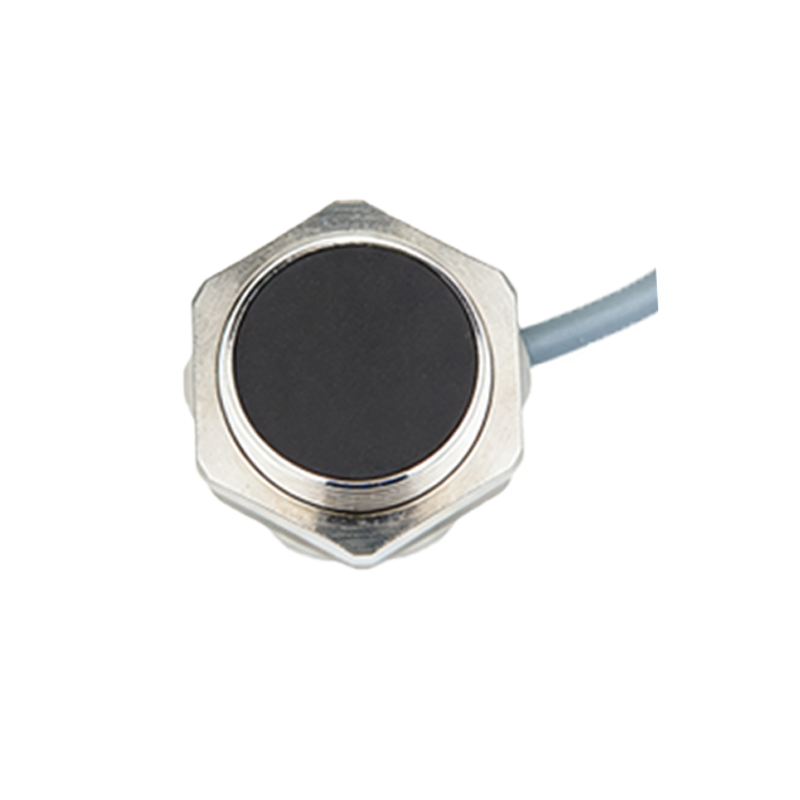
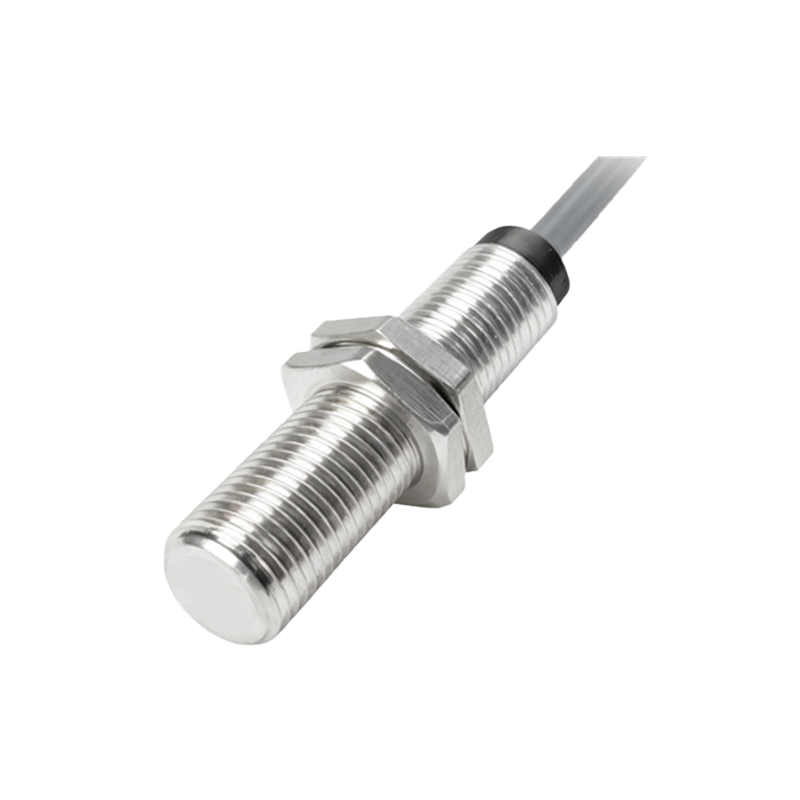
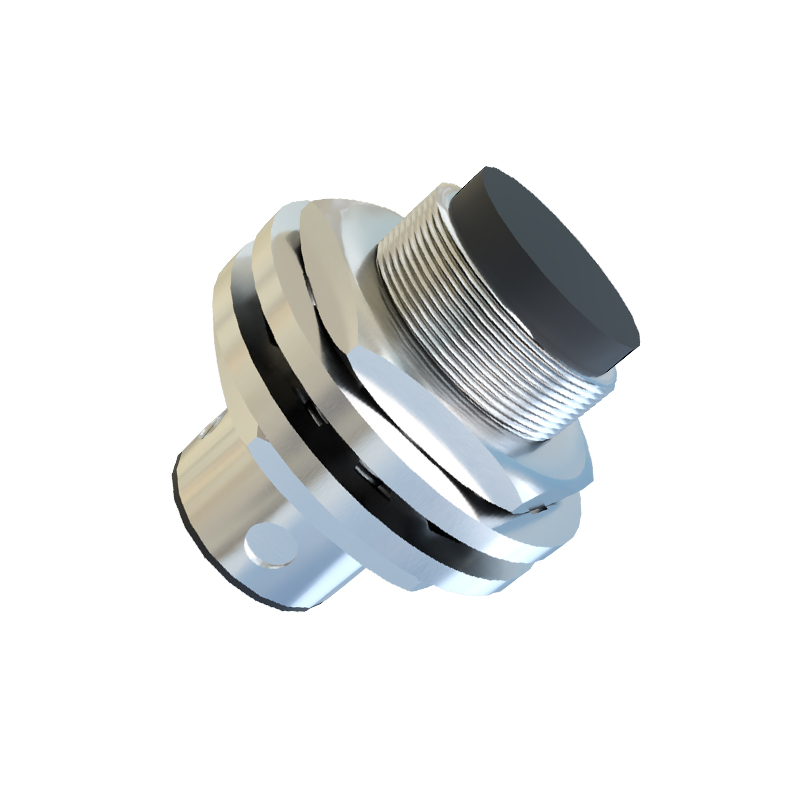
Encasing and protecting these delicate electronic components is the Housing and Sensing Face. The housing is usually constructed from robust materials like nickel-plated brass, stainless steel, or industrial-grade plastics (PBT, PPS). This provides mechanical strength, environmental sealing (often rated IP67 or IP69K for resistance to dust and water ingress), and chemical resistance. The sensing face, a critical area, is made from a material that allows the electromagnetic field to pass through effectively, such as a specific type of plastic or ceramic in inductive sensors, while protecting the internal coil from physical damage.
Integral to the sensor's functionality and longevity are Protective and Conditioning Circuits. These include:
Reverse Polarity Protection: Prevents damage if the power supply leads are connected incorrectly.
Short-Circuit Protection: Safeguards the output stage if the load is accidentally shorted.
Surge Suppression: Protects against voltage spikes on the supply lines, commonly from inductive loads like solenoids or motors.
EMI/RFI Filtering: Minimizes the sensor's susceptibility to electromagnetic and radio-frequency interference, ensuring stable operation in electrically noisy industrial environments.
Finally, many advanced sensors incorporate an Indicator LED. This simple yet vital component provides immediate visual feedback on the sensor's status—typically indicating power presence and output activation. This is an invaluable diagnostic tool for technicians during installation, commissioning, and maintenance, allowing for quick verification of operation without external test equipment.
In summary, the reliable "non-contact" detection of a proximity sensor is the result of a harmonious interplay between its oscillator, detection logic, output stage, and protective features, all housed in a ruggedized package. From detecting a metal gear tooth on a high-speed assembly line to ensuring a safety door is closed, the precise design and integration of these components enable the vast array of applications that define efficient and safe automated systems today.