In the rapidly evolving landscape of industrial automation, automotive systems, and consumer electronics, proximity sensors have become indispensable components. These devices, capable of detecting the presence or absence of objects without physical contact, rely heavily on advanced semiconductor technology. The performance, reliability, and miniaturization of these sensors are directly driven by innovations from specialized semiconductor companies. This article explores the key players and technological trends defining the semiconductor proximity sensor industry.
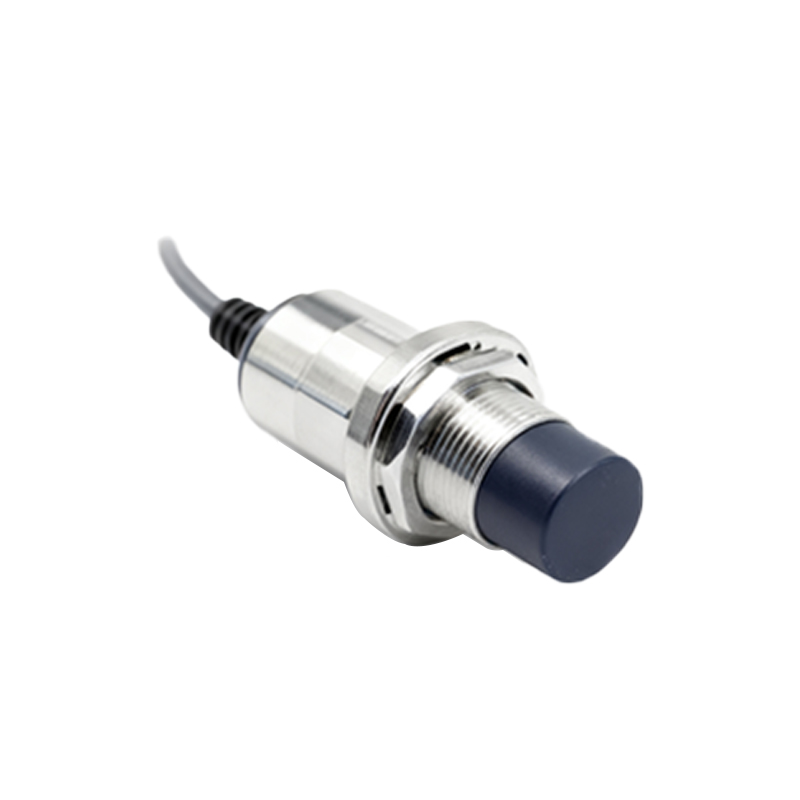
At the core of modern proximity sensing are integrated circuits (ICs) and specialized semiconductor materials. Companies like Texas Instruments, STMicroelectronics, and Infineon Technologies are at the forefront, developing Hall-effect sensors, capacitive sensing ICs, and inductive proximity solutions. These firms invest significantly in R&D to enhance sensitivity, reduce power consumption, and improve noise immunity. For instance, Texas Instruments’ LDC series of inductive sensing converters enables precise detection of metal targets in harsh environments, revolutionizing applications in automotive braking systems and smart appliances.
Another critical trend is the integration of proximity sensors with microcontrollers and wireless connectivity. Semiconductors from companies like NXP Semiconductors and Analog Devices now often include embedded processing capabilities, allowing for smarter sensor nodes that can pre-process data locally. This reduces latency and bandwidth requirements in IoT networks. For example, a single chip might combine a capacitive proximity sensor, a temperature sensor, and a Bluetooth Low Energy module, enabling compact designs for wearable devices or predictive maintenance in factories.
The automotive sector, particularly with the rise of electric and autonomous vehicles, presents a massive growth avenue. Semiconductor firms are developing robust, AEC-Q100 qualified proximity sensors for applications like automatic door handles, parking assistance, and occupant detection. Companies such as ON Semiconductor and Melexis offer specialized Hall-effect and ToF (Time-of-Flight) sensor ICs that can operate reliably across extreme temperature ranges, ensuring safety and functionality in vehicles.
In consumer electronics, the demand for smaller, more power-efficient devices pushes semiconductor companies to innovate. Proximity sensors in smartphones, tablets, and laptops, often based on infrared or capacitive technology, require tiny yet highly accurate ICs. Firms like ams OSRAM and ROHM Semiconductor excel in producing optoelectronic components and sensor ASICs that enable features like automatic screen dimming and touchless gesture control, enhancing user experience while conserving battery life.
Looking ahead, the convergence of AI and edge computing is set to transform proximity sensing. Semiconductor companies are already embedding machine learning accelerators within sensor hubs, allowing devices to distinguish between different types of proximity events—such as a hand gesture versus an accidental approach. This intelligence, powered by advanced nodes in semiconductor fabrication, will enable more contextual and responsive systems in smart homes, robotics, and industrial automation.
Ultimately, the progress in proximity sensing hinges on the continuous innovation from semiconductor companies. Their ability to deliver smaller, smarter, and more integrated solutions will dictate how seamlessly machines interact with the physical world, driving efficiency and enabling new applications across countless industries.