In the realm of industrial automation and control systems, proximity magnetic sensors stand as a cornerstone technology for non-contact detection and position sensing. These robust and reliable devices operate on the fundamental principle of detecting changes in a magnetic field, offering distinct advantages over other sensing technologies, particularly in harsh environments where dirt, oil, moisture, or vibration are prevalent.
At its core, a proximity magnetic sensor consists of a sensing element and associated signal conditioning circuitry. The most common type is the Hall-effect sensor. When a magnetic field is applied perpendicular to a current-carrying conductor, it generates a voltage difference across the conductor—the Hall voltage. This voltage is proportional to the strength of the magnetic field. In a proximity sensor, this effect is harnessed to detect the presence or absence of a magnetic target, typically a permanent magnet or a ferromagnetic object like a gear tooth. Another prevalent technology is the magnetoresistive (MR) sensor, whose electrical resistance changes in the presence of a magnetic field, offering high sensitivity. For detecting ferrous metals without a permanent magnet, sensors using a coil and oscillator circuit (inductive or eddy-current principles) are often employed, though they are specifically tuned for magnetic materials.
The operational principle is straightforward: the sensor is positioned such that its active face is in the anticipated path of the target. In the absence of the target, the sensor's output remains in a default state (e.g., OFF or LOW). When a magnetic target approaches within the specified sensing range, it alters the local magnetic field. This change is detected by the sensing element (Hall-effect chip or MR element), which triggers the internal electronics to switch the output state (e.g., to ON or HIGH). This binary signal is then transmitted to a Programmable Logic Controller (PLC), counter, or other control device to initiate an action, such as stopping a conveyor, counting items, or confirming a cylinder position.
The advantages of proximity magnetic sensors are numerous. Their non-contact nature eliminates mechanical wear, ensuring exceptionally long service life. They are inherently sealed, often achieving IP67, IP68, or IP69K ratings, making them impervious to dust, washdowns, and temporary immersion—a critical feature in food processing, automotive manufacturing, and heavy machinery. They are immune to ambient light, unlike optical sensors, and can operate reliably in the presence of non-ferrous contaminants like aluminum chips or plastic. Furthermore, they offer high switching frequencies, allowing for the detection of very fast-moving objects, such as rotating gears or high-speed packaging lines.
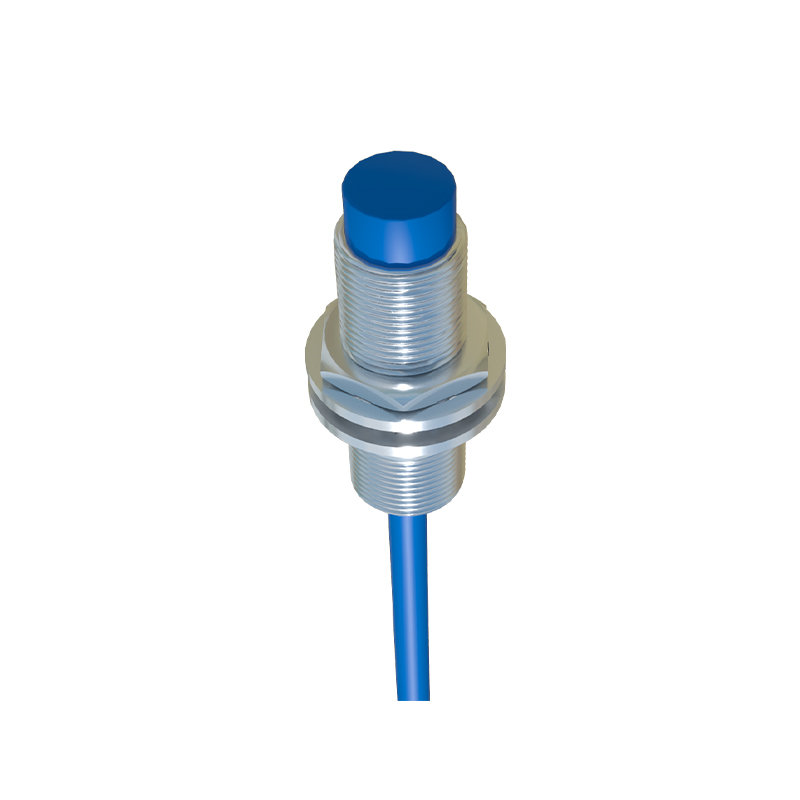
Applications are vast and varied across industries. In automotive assembly, they are used for detecting piston position in hydraulic cylinders, sensing gear teeth for rotational speed (RPM), and confirming door or hood closure. In material handling, they count packages on conveyors, detect the position of pallets, and provide end-of-travel limits for automated guided vehicles (AGVs). Machine tools utilize them for tool positioning, spindle orientation, and part presence verification. Even in renewable energy, they play a role in monitoring the blade position of wind turbines.
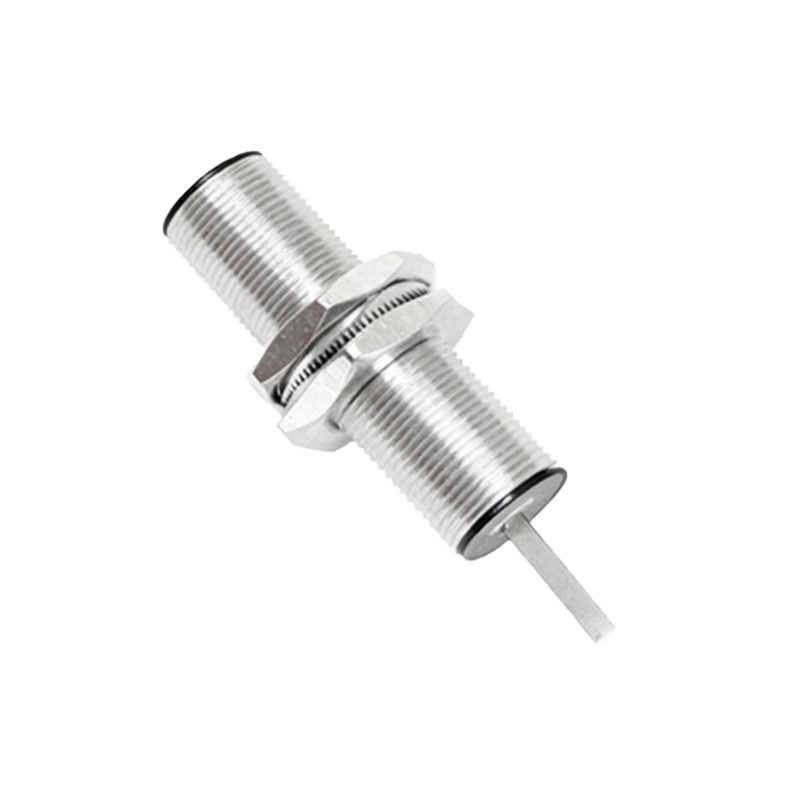
Selecting the right proximity magnetic sensor requires careful consideration of several key parameters. First is the sensing distance, which must be chosen to accommodate the application's mechanical tolerances and installation constraints. Second is the output type: PNP (sourcing) or NPN (sinking) transistor outputs are standard for DC sensors, while some applications may require analog (4-20mA, 0-10V) or IO-Link digital communication outputs for advanced diagnostics and parameterization. The housing material (stainless steel, nickel-plated brass, or PBT plastic) must be compatible with the environmental conditions, including chemical exposure. Electrical characteristics like supply voltage range, current consumption, and short-circuit protection are vital for system integration. Finally, the target material and size are crucial; a sensor's rated sensing distance is typically defined for a standard mild steel target, and performance varies with different materials and target geometries.
Installation and maintenance are generally straightforward. Ensuring proper alignment between the sensor and the target is essential for reliable operation. Adequate clearance from other ferrous metals is necessary to avoid false triggering. While these sensors are highly durable, periodic checks for physical damage, loose connections, and output signal integrity are recommended as part of a preventive maintenance program.
In conclusion, proximity magnetic sensors are indispensable components in modern industrial automation. Their robustness, reliability, and versatility make them the preferred choice for countless position-sensing tasks in challenging environments. By understanding their operating principles, advantages, and key selection criteria, engineers and technicians can effectively deploy these sensors to enhance machine performance, improve safety, and increase overall system reliability. As Industry 4.0 and smart manufacturing evolve, the integration of advanced communication protocols like IO-Link into magnetic sensors is further expanding their