In the realm of industrial automation and process control, the ability to reliably detect the presence or absence of objects in extreme thermal conditions is paramount. High-temperature proximity sensors have emerged as critical components, engineered to withstand and operate accurately within environments where conventional sensors would rapidly fail. These specialized devices are designed to perform consistently in ambient temperatures often exceeding 150°C, with some models rated for continuous operation at 200°C or higher, and even higher peak temperatures for short durations.
The core technology behind these sensors varies, with inductive, capacitive, and magnetic sensing principles being the most prevalent. Inductive proximity sensors, for detecting metallic objects, are particularly common in high-temperature applications. Their construction is meticulously planned. High-temperature epoxy resins, specialized PPS (Polyphenylene Sulfide) or PEEK (Polyether Ether Ketone) housings, and thermally stable sensing coils are employed to ensure structural integrity and consistent electrical performance. The internal electronics, including the oscillator, amplifier, and output switching circuits, are often potted with high-temperature compounds to protect against thermal expansion, vibration, and potential chemical exposure. For capacitive variants used for non-metallic materials, the dielectric properties of the housing and the sensing face are carefully selected to remain stable across the intended temperature range.
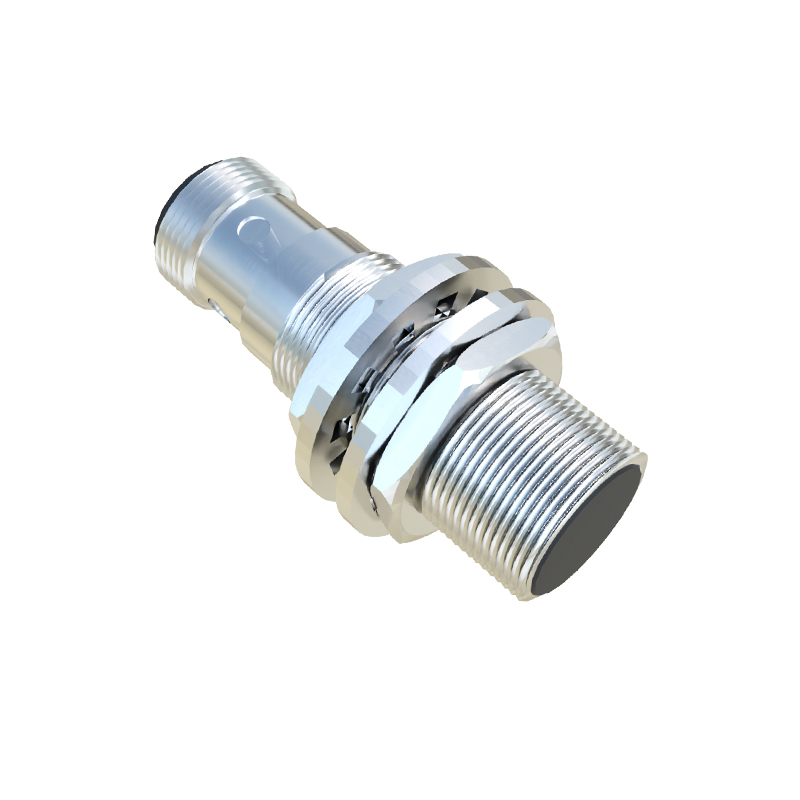
The applications for high-temperature proximity sensors are extensive and vital across several heavy industries. In metal processing, such as die-casting, forging, and heat treatment furnaces, they monitor the position of molds, billets, or trays. Within the automotive manufacturing sector, they are indispensable in paint drying ovens, curing processes, and near welding robots. The glass and ceramics industry relies on them for bottle forming, annealing lehrs, and kiln operations. Furthermore, they play a crucial role in food and beverage production within industrial ovens and sterilizers. In each scenario, the sensor must not only survive the heat but also maintain its sensing distance (the rated operating distance) without significant drift, ensuring repeatable and reliable detection. A sensor that fails or becomes unreliable can lead to production downtime, defective products, or even safety hazards.
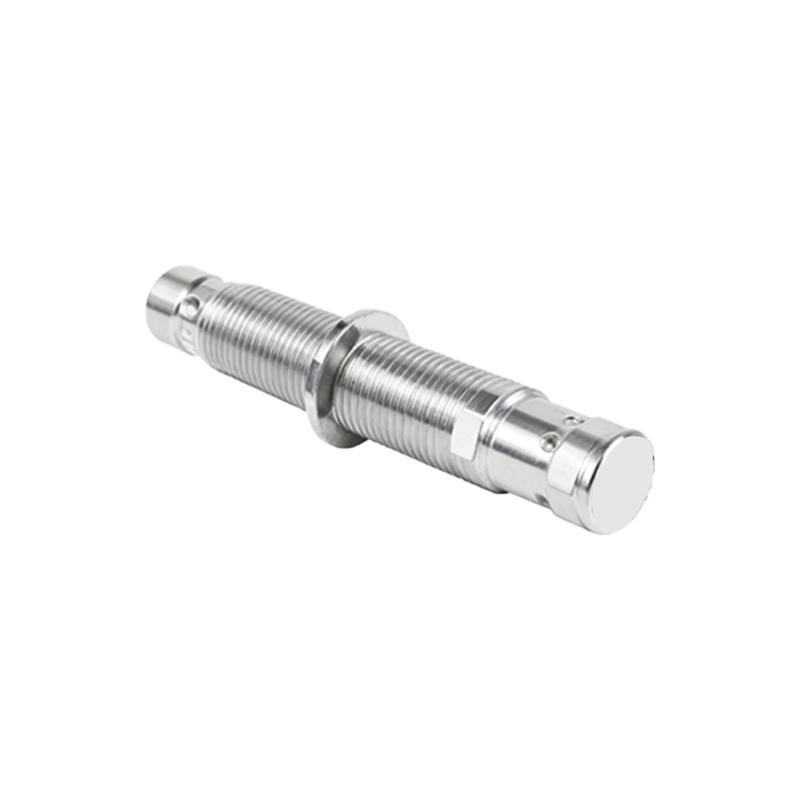
Selecting the appropriate high-temperature proximity sensor requires careful consideration of several parameters beyond just the maximum ambient temperature. The sensing distance, typically reduced at elevated temperatures, must be derated according to the manufacturer's specifications. The type of output (e.g., PNP, NPN, analog, or IO-Link) must be compatible with the control system. The housing material's resistance to not only heat but also chemicals, coolants, or cleaning agents is critical. Ingress Protection (IP) ratings, such as IP67 or IP69K, indicate the level of protection against dust and water, which is often coupled with high-temperature washdowns in food processing. Electrical connection types, often using high-temperature cables or ceramic connectors, are another key factor. Regular maintenance, including checking for physical damage, buildup of material on the sensing face, and verifying electrical connections, is essential for long-term reliability, even with these rugged devices.
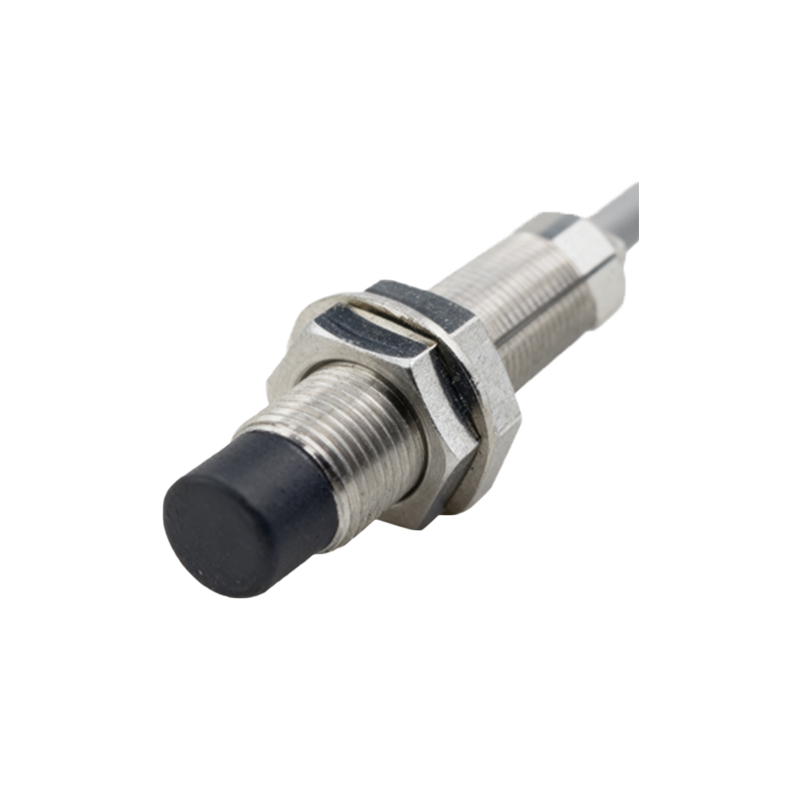
Future trends point toward even greater integration and intelligence. The incorporation of IO-Link communication allows these sensors to transmit not just a switching signal but also diagnostic data, such as internal temperature, operating hours, and signal strength. This enables predictive maintenance, where potential failures can be anticipated before they cause a stoppage. Advancements in materials science continue to push the operational limits, allowing sensors to venture closer to heat sources than ever before. As industries strive for higher efficiency, reduced downtime, and smarter factories, the role of the robust and intelligent high-temperature proximity sensor will only become more central to successful and safe operations.