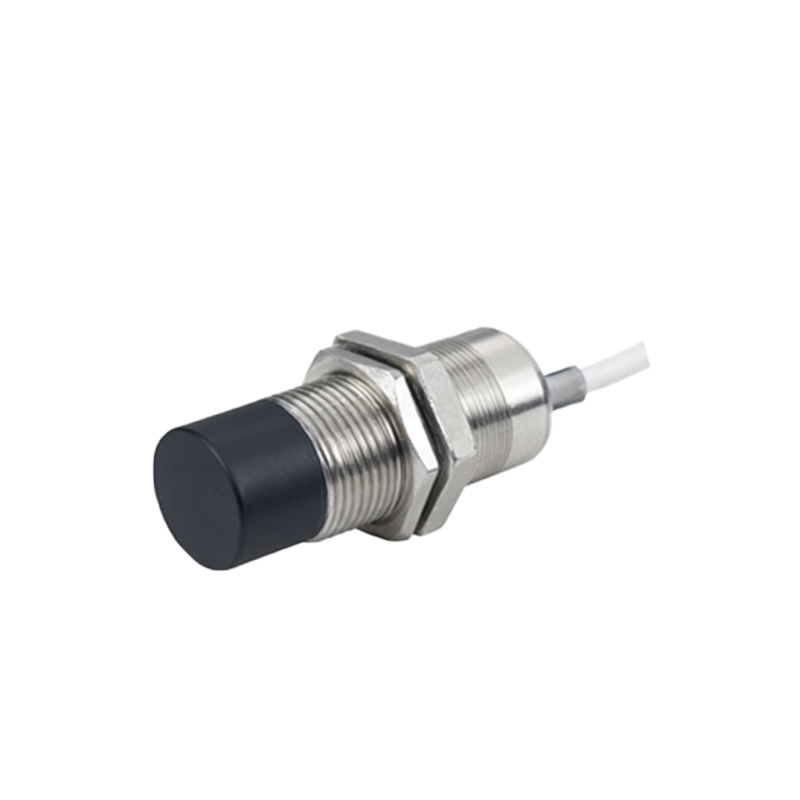
In the realm of industrial automation, large square proximity sensors are indispensable components, known for their robust detection capabilities and durability in harsh environments. When it comes to pricing, these sensors are not a one-size-fits-all commodity; their cost is influenced by a complex interplay of technical specifications, brand value, and market dynamics. Typically, prices can range from under $50 for basic models to several hundred dollars for high-performance, feature-rich units. The primary determinant of price is the sensing technology employed. Inductive sensors, commonly used for detecting metallic objects, are often more cost-effective, with entry-level large square models starting around $40-$60. In contrast, capacitive sensors, capable of detecting both metallic and non-metallic materials, command a higher price point, often beginning at $80-$120 for standard-duty versions.
The housing material and protection rating significantly impact cost. Large square sensors with die-cast zinc or stainless-steel housings and an IP67, IP68, or IP69K rating for resistance to dust, water, and high-pressure washdowns are priced higher than those with plastic (PBT) housings and lower ingress protection. For instance, a standard IP67 rated plastic sensor might cost $60, while an equivalent stainless-steel version could exceed $150. Sensing distance is another critical factor. A standard 15mm or 20mm sensing range sensor is relatively affordable. However, specialized models offering extended ranges of 40mm, 60mm, or more for large square form factors see a substantial price increase, sometimes doubling or tripling the base cost due to more complex coil and circuit design.
Output configuration and wiring style also contribute to the final price. Sensors with simple 3-wire DC PNP or NPN outputs are generally the most economical. Adding features like analog outputs (4-20mA, 0-10V), IO-Link communication for Industry 4.0 integration, or short-circuit and overload protection circuits adds layers of cost. A basic large square inductive sensor might be priced at $55, while an identical form factor model with IO-Link functionality could easily reach $90-$130. Brand reputation and associated services form a substantial part of the price premium. Established global manufacturers like Siemens, Omron, Pepperl+Fuchs, and Balluff price their sensors higher, reflecting decades of R&D, proven reliability, global supply chain stability, and comprehensive technical support. Their large square sensors often start at a 20-50% premium over generic or lesser-known brands. Conversely, competitive offerings from Asian manufacturers or value-focused distributors provide more budget-friendly options, though potentially with longer lead times or varying warranty terms.
Market factors such as raw material costs (e.g., copper, semiconductors), global logistics expenses, and regional demand fluctuations cause prices to be dynamic. During periods of component shortages or high demand, list prices and lead times can increase across the board. Furthermore, purchase volume dramatically affects unit price. Buying a single sensor from a catalog distributor incurs the highest per-unit cost. Contractual agreements for large annual volumes (OEM agreements) can reduce the unit price by 30% or more. When evaluating price, engineers must consider the total cost of ownership, which includes not just the initial purchase but also installation time, maintenance needs, and potential downtime costs. A slightly more expensive sensor from a reliable brand with a longer mean time between failures (MTBF) often proves more economical in the long run for critical applications. Ultimately, selecting a large square proximity sensor requires balancing technical requirements, environmental challenges, and budgetary constraints to find the optimal price-to-performance ratio for the specific application.