Proximity sensors are pivotal components in modern industrial automation, enabling non-contact detection of objects within a specific range without physical interaction. These sensors operate based on various physical principles, each suited to distinct applications and environmental conditions. The most common types include inductive, capacitive, ultrasonic, and photoelectric proximity sensors, each with unique operational mechanisms.
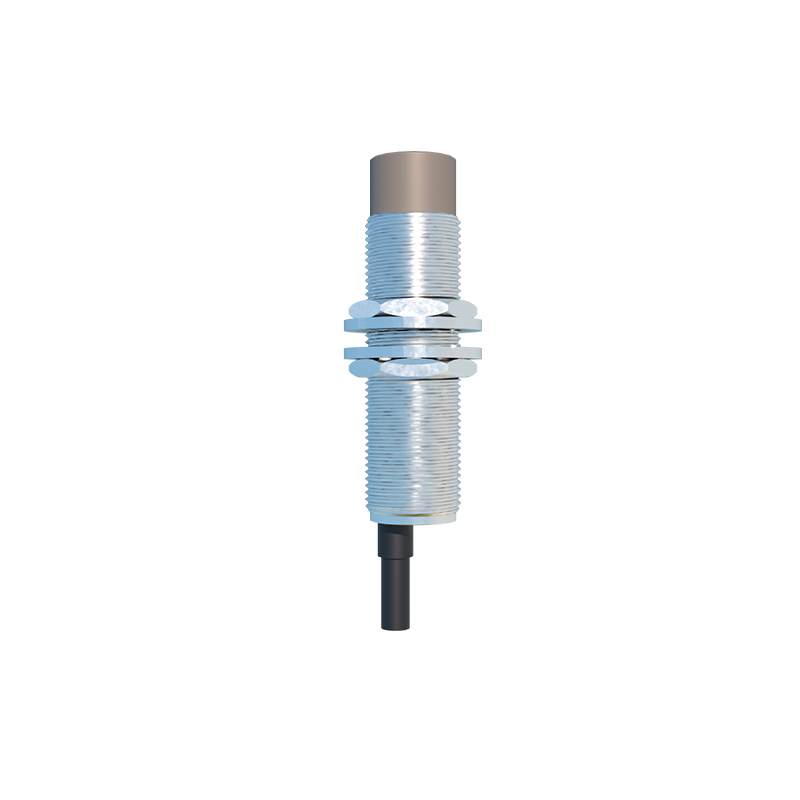
Inductive proximity sensors are widely used for detecting metallic objects. They generate an electromagnetic field using a coil and oscillator. When a metallic target enters this field, eddy currents are induced on the metal surface, causing a change in the oscillation amplitude. This alteration is detected by the sensor's circuitry, triggering an output signal. Inductive sensors are ideal for harsh industrial environments due to their robustness, resistance to dust, oil, and moisture, and high switching frequencies. Typical applications include position sensing in machinery, metal detection in conveyor systems, and safety interlocks.
Capacitive proximity sensors can detect both metallic and non-metallic materials, such as liquids, plastics, or wood. They function by generating an electrostatic field between two electrodes. When an object enters this field, it alters the capacitance, leading to a change in the oscillator's frequency or amplitude. This change is processed to activate the output. Capacitive sensors are versatile and often used in level detection for liquids or granular materials, material handling, and presence sensing in packaging industries. However, they may be sensitive to environmental factors like humidity or temperature variations.
Ultrasonic proximity sensors utilize sound waves beyond human hearing, typically at frequencies above 20 kHz. They emit ultrasonic pulses and measure the time taken for the echo to return after reflecting off an object. By calculating the time-of-flight, the sensor determines the distance to the target. These sensors are effective for detecting objects of various materials, shapes, and colors, even in challenging conditions like fog or dust. Common applications include distance measurement, object counting, and liquid level monitoring in tanks. Limitations include potential interference from air turbulence or temperature gradients affecting sound speed.
Photoelectric proximity sensors rely on light beams, usually infrared, to detect objects. They consist of an emitter and a receiver. In the through-beam type, the emitter and receiver are separate; an object interrupts the light beam, triggering detection. In the retro-reflective type, a reflector bounces the light back to the receiver, with interruption indicating presence. Diffuse sensors use light reflected directly from the object. Photoelectric sensors offer long sensing ranges and high precision, suitable for packaging, assembly lines, and clean environments. However, they can be affected by ambient light or transparent objects.
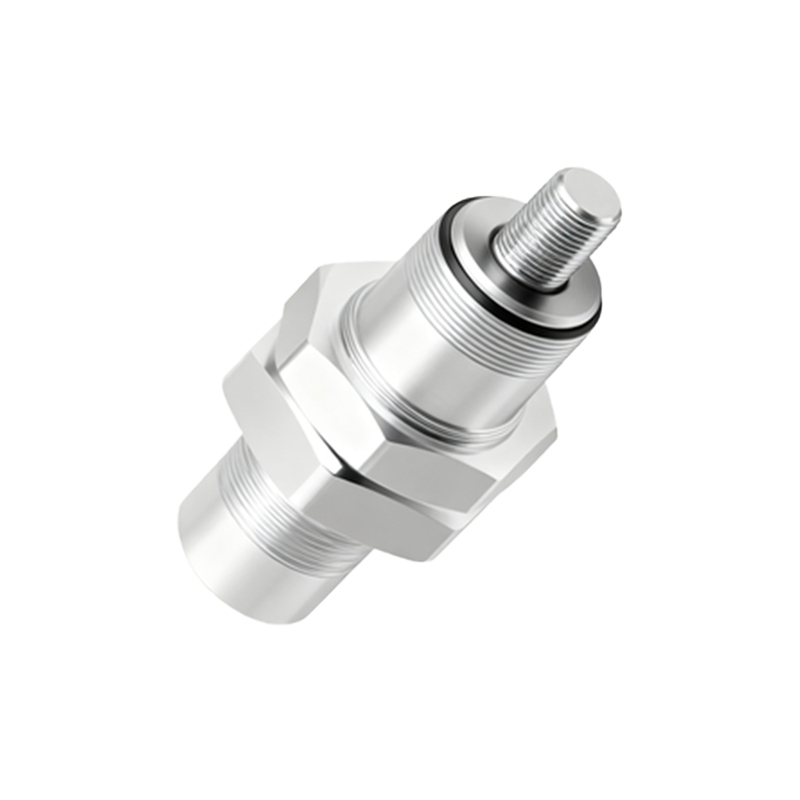
The selection of a proximity sensor depends on factors like target material, sensing distance, environmental conditions, and required response time. For instance, inductive sensors excel with metals in dirty settings, while capacitive sensors handle diverse materials but may need calibration. Ultrasonic sensors provide reliable distance data but require stable environments, and photoelectric sensors offer versatility but sensitivity to interference.
In industrial automation, proximity sensors enhance efficiency, safety, and reliability. They enable precise control in manufacturing processes, reduce mechanical wear through non-contact operation, and contribute to predictive maintenance by monitoring equipment status. As technology advances, smart sensors with integrated diagnostics and connectivity are emerging, allowing for real-time data analysis and integration into Industrial Internet of Things (IIoT) systems. This evolution supports smarter factories with improved productivity and reduced downtime.
Understanding the principles behind proximity sensors is essential for engineers to optimize their use. By matching sensor characteristics to application needs, industries can achieve higher automation levels, ensuring seamless operations in sectors from automotive to food processing. Regular maintenance and calibration further ensure longevity and accuracy, making proximity sensors indispensable tools in the evolving landscape of industrial engineering.