In the realm of precision measurement and spatial awareness, laser rangefinder sensors have become indispensable tools. While international brands often dominate the conversation, a significant evolution is underway in the development and application of domestically produced laser rangefinder sensors. These devices, engineered and manufactured within national ecosystems, are rapidly closing the technological gap, offering robust, cost-effective, and highly capable solutions for a diverse array of industries.
At its core, a domestic laser rangefinder sensor operates on the same fundamental principle as its global counterparts. It emits a focused pulse or beam of laser light towards a target. The sensor then precisely measures the time it takes for that light to reflect back to a detector. Using the constant speed of light, the device calculates the distance with remarkable accuracy. The sophistication of domestic models now encompasses both pulse time-of-flight (ToF) and phase-shift measurement techniques, allowing for optimization between long-range capability and millimeter-level precision over shorter distances.
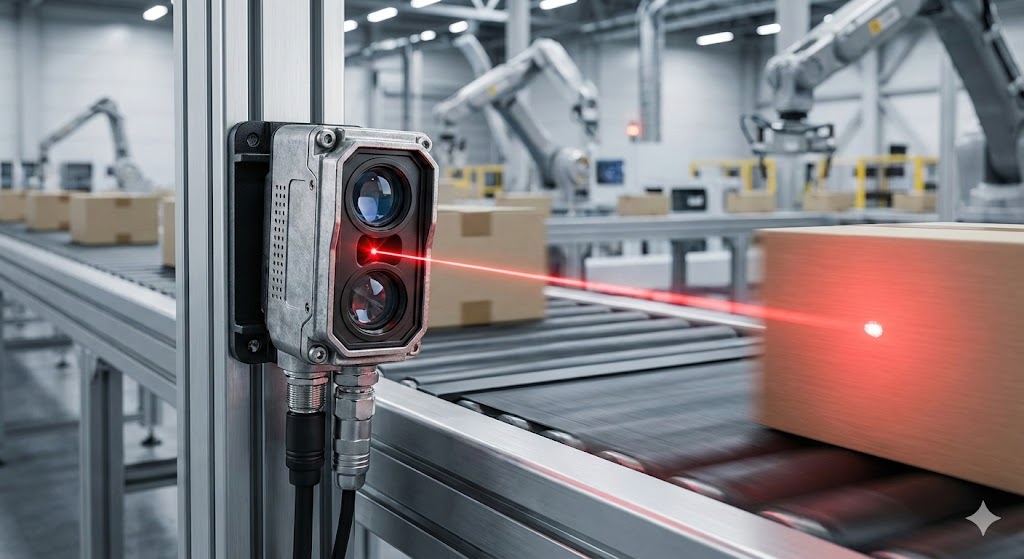
The driving force behind the advancement of domestic laser rangefinder sensors is multifaceted. Strong national support for research and development in photonics, semiconductors, and precision manufacturing has provided a fertile ground for innovation. Domestic manufacturers have leveraged this to enhance key components, such as laser diodes and high-sensitivity photodetectors, which are crucial for performance. Furthermore, significant strides in signal processing algorithms and noise reduction techniques, often developed in-house, have dramatically improved the reliability and accuracy of these sensors in real-world conditions, combating interference from ambient light or adverse weather.
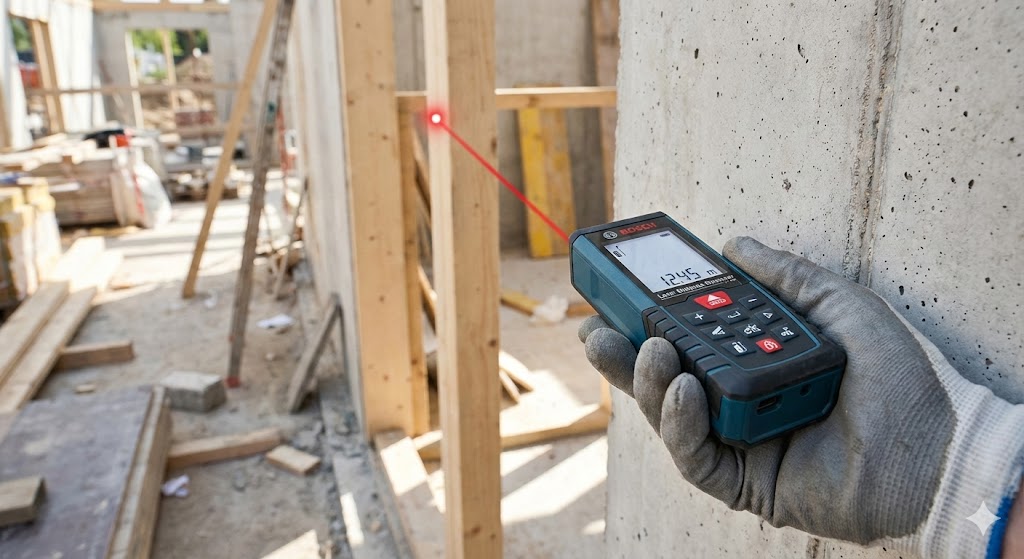
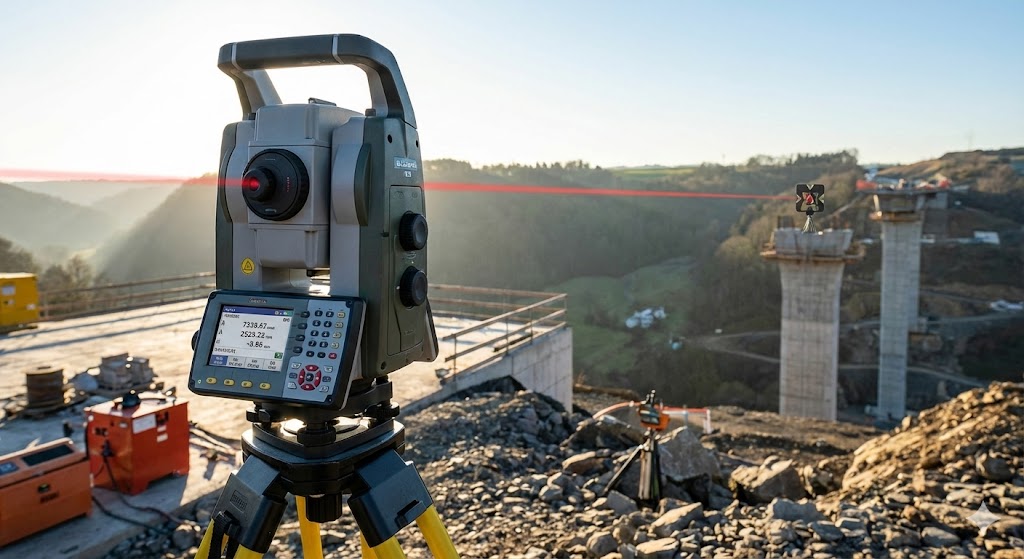
The applications for these domestically sourced sensors are vast and growing. In the industrial automation sector, they are integral for robotic guidance, conveyor belt monitoring, and warehouse logistics management, where they ensure precise positioning and object avoidance. The construction and surveying fields utilize them for distance measurement, area calculation, and volume estimation, streamlining projects from planning to execution. Perhaps one of the most notable adoption areas is within consumer electronics and smart home devices, where compact domestic sensors enable features like automatic focusing in smartphones, gesture recognition, and intelligent appliance operation.
A key advantage of procuring domestic laser rangefinder sensors is the integrated supply chain and tailored support. Users benefit from shorter lead times, more responsive technical service, and products that are often designed with specific local market needs and regulatory standards in mind. This local synergy fosters quicker iteration and customization, allowing solutions to be adapted for unique challenges in agriculture, unmanned aerial vehicles (UAVs), security systems, and emerging IoT applications.
Looking forward, the trajectory for domestic laser rangefinder sensor technology is pointed toward greater integration and intelligence. The convergence with other sensing modalities like inertial measurement units (IMUs) and cameras is creating multi-faceted perception systems. The miniaturization of components continues unabated, paving the way for their inclusion in ever-smaller portable devices. As the underlying technology matures, the focus is shifting towards enhancing power efficiency, reducing costs further, and developing plug-and-play modules that simplify integration for engineers and developers.
In conclusion, domestic laser rangefinder sensors represent a mature and competitive segment of the optoelectronics industry. No longer mere alternatives, they are primary choices for applications demanding accuracy, durability, and value. Their continued development promises to empower a new wave of technological innovation across manufacturing, consumer technology, and infrastructure, making high-precision spatial measurement more accessible and reliable than ever before.