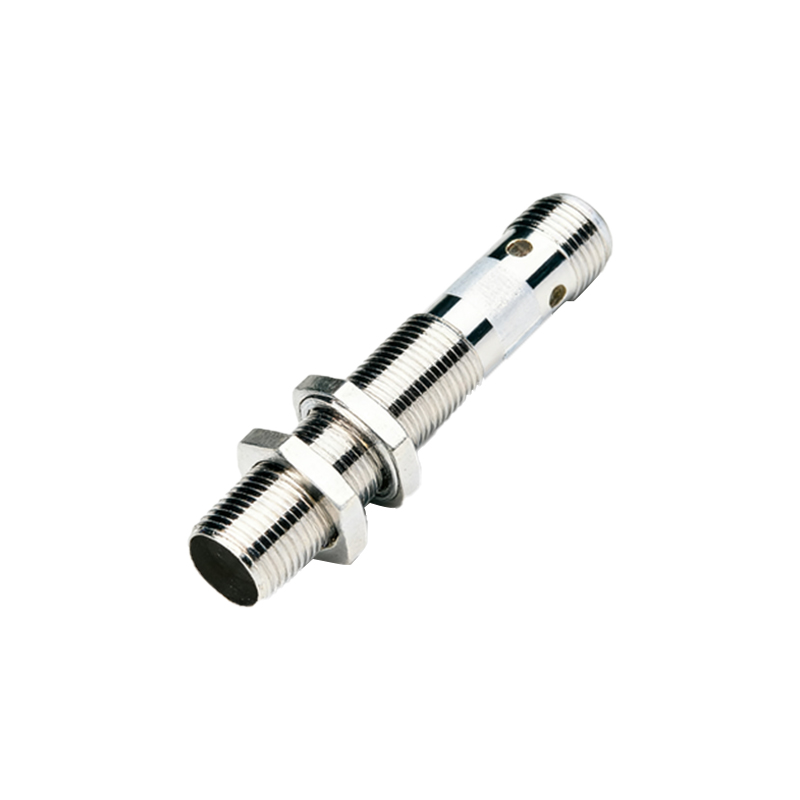
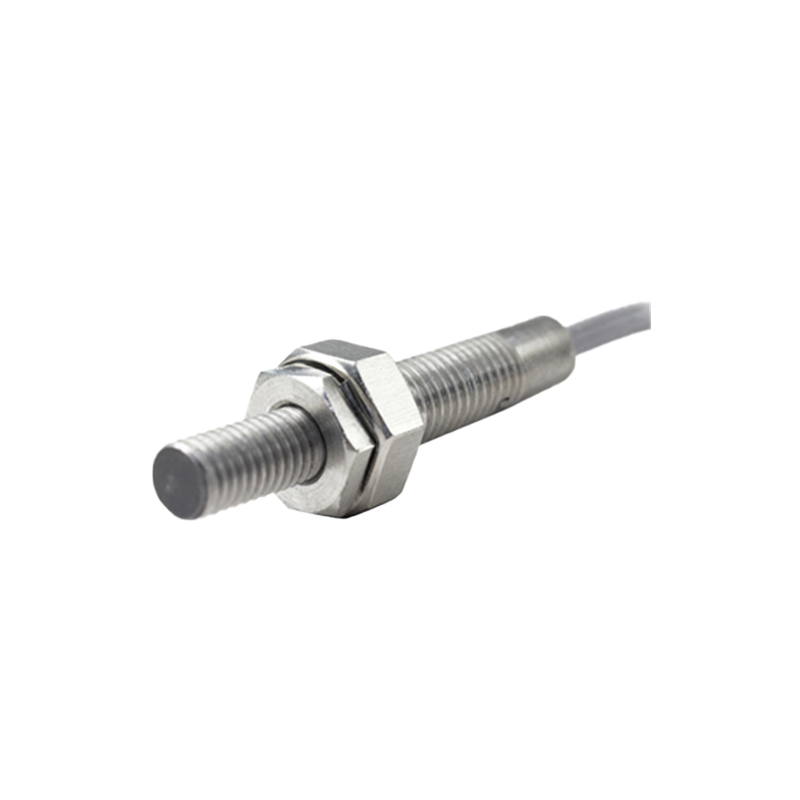
In the modern coffee machine industry, the integration of proximity sensors has revolutionized both operational efficiency and user interaction. These sensors, typically based on infrared (IR), capacitive, or inductive technologies, detect the presence or absence of objects without physical contact, enabling automated functions that elevate the coffee brewing process. For instance, in high-end espresso machines, proximity sensors are employed to monitor water tank levels, ensuring optimal hydration for consistent extraction. When the water level drops below a threshold, the sensor triggers an alert or automatically halts operation, preventing damage to heating elements and pumps. Similarly, in bean-to-cup systems, sensors detect the presence of a cup or carafe, activating the grinding and brewing cycle only when properly positioned, thereby reducing spills and waste.
The technical design of these sensors prioritizes durability and accuracy, given the challenging environment of coffee machines—exposure to heat, moisture, and coffee residues. Capacitive sensors, for example, are ideal for detecting non-metallic objects like ceramic cups, while inductive variants suit metal components in grinders. Advanced models incorporate self-cleaning mechanisms to counteract residue buildup, maintaining sensitivity over time. From a user experience perspective, proximity sensors contribute to intuitive interfaces; touchless controls allow for seamless operation with a simple hand wave, enhancing hygiene and convenience in busy settings like cafes or offices. Moreover, energy efficiency is improved as sensors enable sleep modes when no activity is detected, reducing power consumption by up to 30% in commercial machines.
Looking ahead, the evolution of smart coffee machines leverages proximity sensors for IoT connectivity, enabling features like predictive maintenance and personalized brewing via app integration. As the demand for automation grows, these sensors will continue to play a pivotal role in delivering precision, reliability, and enhanced safety in both domestic and commercial applications. Industry professionals must stay abreast of sensor advancements to optimize machine design and meet evolving consumer expectations for smarter, more responsive appliances.