In the realm of industrial automation, the diffuse reflective proximity sensor stands as a cornerstone technology for non-contact object detection. Its fundamental principle is elegantly simple: an integrated emitter projects a beam of light—typically infrared, red, or laser—toward a target. Unlike retro-reflective or through-beam sensors, it does not require a separate reflector. Instead, it relies on the target object itself to diffusely reflect a portion of this light back to the sensor's receiver. The onboard electronics then evaluate the intensity of the returned signal to determine the presence or absence of an object within its specified sensing range. While standard, off-the-shelf models address a vast array of common scenarios, the true potential of this technology is unlocked through strategic customization, tailoring the sensor to overcome specific application challenges and optimize system performance.
The drive for customization often originates from environmental and operational constraints that standard sensors cannot adequately meet. One of the most frequent requirements is the adjustment of the sensing range. Standard sensors have a fixed operational distance, but applications may demand a very short-range detection to prevent mechanical damage or an extended range for early warning systems. Customizing the optical system—by altering lens geometry or selecting emitter diodes with different power outputs—allows engineers to precisely calibrate the effective sensing distance, ensuring reliable triggering without false positives from background objects.
Equally critical is the customization of the light source wavelength. The standard infrared (IR) light used in many sensors can be susceptible to interference from ambient IR sources, such as sunlight or heating elements. For applications in high-ambient-light environments or for detecting specific materials, switching to a modulated red light or a precise laser light source can dramatically improve signal-to-noise ratio. For instance, a blue laser diffuse sensor might be customized to detect a specific color or to achieve a exceptionally small, precise spot size for detecting minute objects or edges.
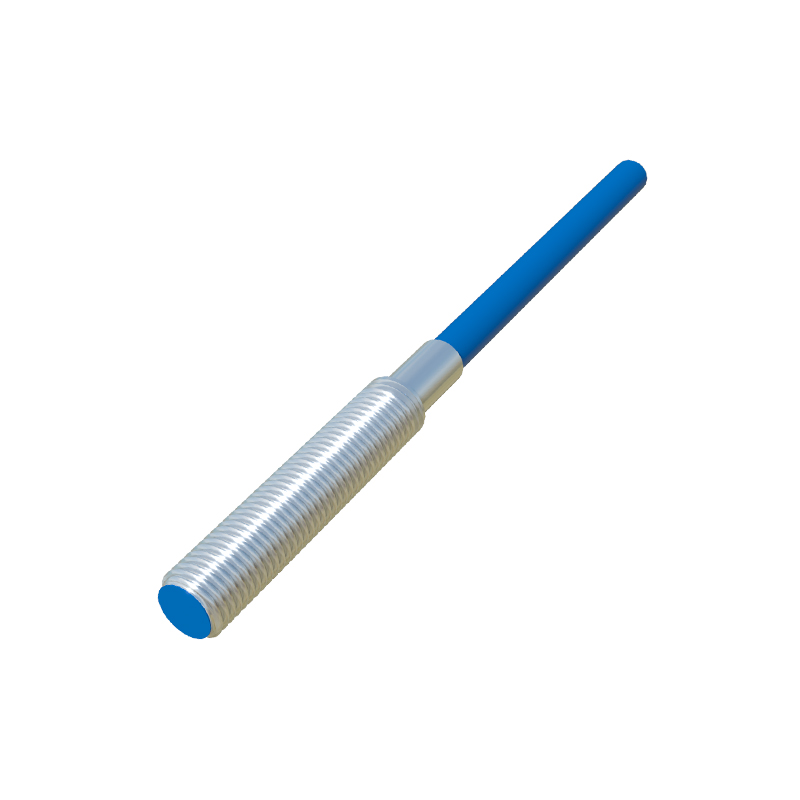
The physical form factor and housing material constitute another major axis for customization. Harsh industrial environments demand robust solutions. A standard plastic housing may suffice for a cleanroom, but a food processing plant requires a housing made from FDA-approved stainless steel with a smooth surface to prevent bacterial growth and withstand frequent high-pressure washdowns. Similarly, form factor may need to be adapted to fit into extremely confined spaces, leading to the development of miniature "slot" sensors or sensors with remote amplifier units where only a tiny sensing head is installed in the tight location.
Electrical output and connectivity are further tailored to integrate seamlessly into existing control architectures. While a standard PNP or NPN transistor output is common, a custom solution might require analog current (4-20 mA) or voltage (0-10V) output for distance-proportional measurement, or specific bus protocols like IO-Link. IO-Link not only provides digital switching but also enables detailed parameterization, remote diagnostics, and condition monitoring, transforming a simple sensor into a smart data point within the Industry 4.0 ecosystem. Custom cable lengths, connector types (e.g., M8, M12), and ingress protection ratings (IP67, IP69K) are also specified to ensure durability and easy installation.
The process of developing a custom diffuse reflective sensor is inherently collaborative. It begins with a detailed application audit, where the engineer must gather critical parameters: target object properties (color, material, surface finish), required sensing distance, background conditions, environmental factors (temperature, humidity, contaminants), electrical supply, and output interface needs. Prototyping and rigorous testing under simulated real-world conditions are non-negotiable phases. This iterative process validates the design choices, whether it's the chosen wavelength's performance on a dark, matte surface or the housing's resilience to chemical exposure.
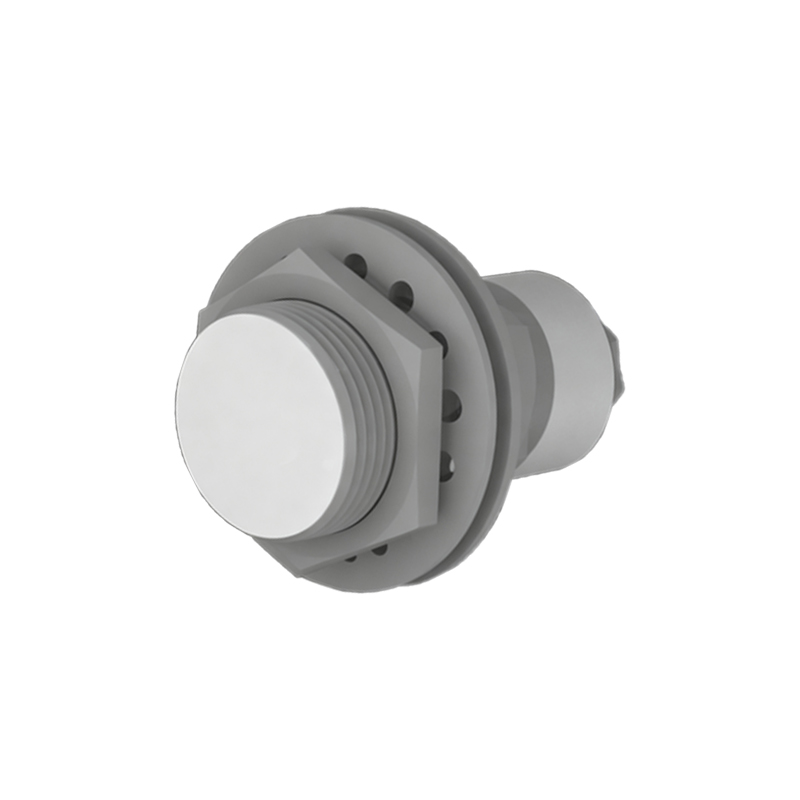
Ultimately, the investment in a customized diffuse reflective proximity sensor translates into enhanced system reliability, reduced downtime, and lower total cost of ownership. By moving beyond the limitations of standard models, engineers can solve unique detection problems—from reliably sensing transparent glass bottles on a high-speed filling line to detecting the presence of a specific label on a packaging machine. In a competitive industrial landscape, this level of precision and adaptability is not merely an option; it is a strategic imperative for building resilient, efficient, and intelligent automated systems.