Proximity sensors have become indispensable components in modern industrial automation, offering non-contact detection of objects with high precision and reliability. These devices are engineered to detect the presence or absence of an object within a specified range without any physical contact, making them ideal for harsh environments where contamination, wear, or mechanical stress could compromise performance. The core principle behind proximity sensors involves generating an electromagnetic field or beam and detecting changes caused by a target object. This technology enables seamless integration into automated systems, enhancing efficiency, safety, and productivity across various applications.
There are several types of proximity sensors, each tailored to specific operational needs. Inductive proximity sensors are widely used for detecting metallic objects. They operate by generating an oscillating electromagnetic field from a coil and oscillator circuit. When a metal object enters this field, it induces eddy currents, causing a change in oscillation amplitude that triggers the sensor output. These sensors are highly durable, resistant to environmental factors like dust and moisture, and commonly applied in manufacturing lines for part detection, positioning, and counting. Capacitive proximity sensors, on the other hand, can detect both metallic and non-metallic materials, including liquids, plastics, and wood. They function by measuring changes in capacitance between the sensor and the target object. This versatility makes them suitable for level sensing, material handling, and packaging industries. Ultrasonic proximity sensors utilize sound waves to detect objects, measuring the time taken for an emitted pulse to reflect back. They are effective for long-range detection and can operate in challenging conditions, such as transparent or irregularly shaped objects, often used in automotive and logistics automation.
The selection of a proximity sensor depends on multiple factors, including the target material, sensing distance, environmental conditions, and output requirements. Key specifications to consider include sensing range, response time, repeat accuracy, and housing material. For instance, in high-speed assembly lines, fast response times and minimal hysteresis are critical to maintain throughput. In corrosive or explosive atmospheres, sensors with robust enclosures (e.g., stainless steel or PTFE coatings) and appropriate certifications (like ATEX or IECEx) are essential for safety and longevity. Additionally, output types—such as digital (PNP/NPN) or analog signals—must align with the control system architecture, ensuring seamless communication with PLCs or microcontrollers.
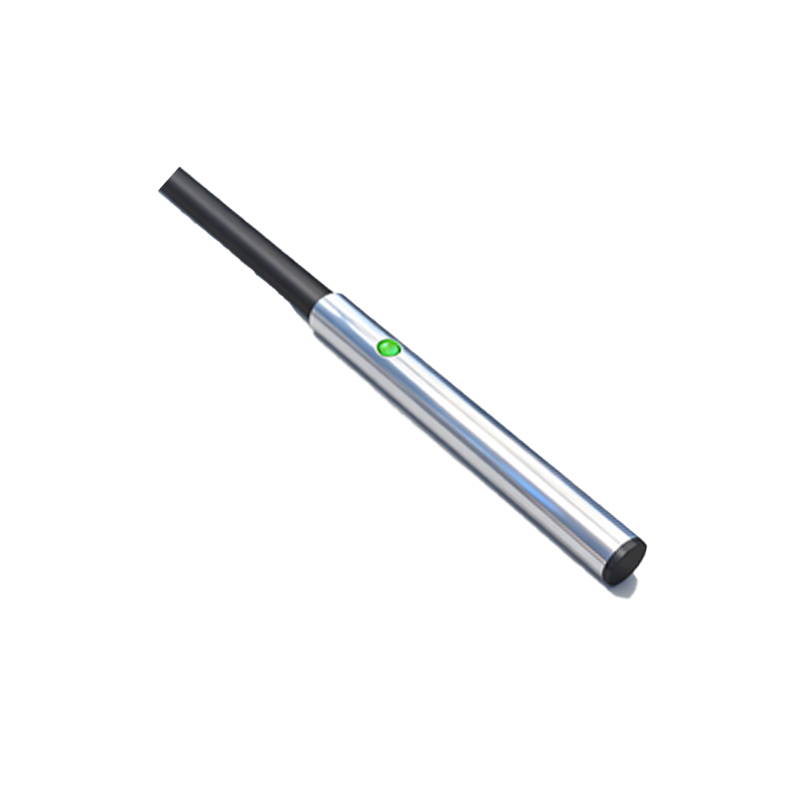
Applications of proximity sensors span diverse industries, from automotive and aerospace to food processing and pharmaceuticals. In automotive manufacturing, they enable precise robot guidance, part verification, and safety interlocks. In packaging, sensors monitor fill levels, detect jams, and control conveyor systems. The rise of Industry 4.0 and IoT has further expanded their role, with smart sensors offering features like self-diagnostics, IO-Link communication, and data logging for predictive maintenance. This connectivity allows real-time monitoring and optimization, reducing downtime and operational costs.
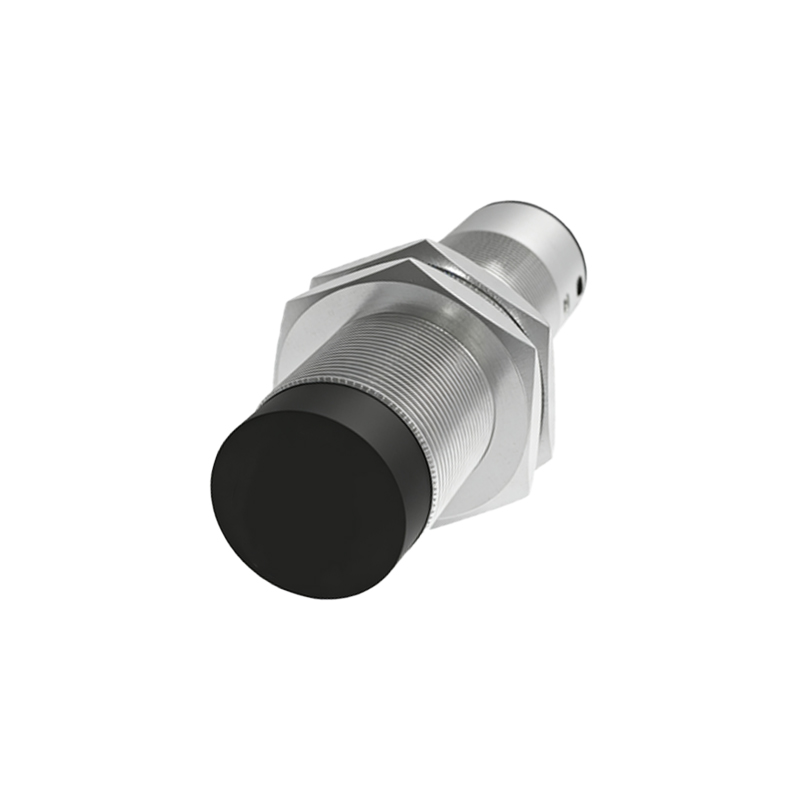
Despite their advantages, proximity sensors face challenges such as interference from adjacent metallic objects, temperature variations, and electrical noise. Proper installation and shielding techniques, like maintaining adequate clearance and using shielded cables, can mitigate these issues. Regular calibration and maintenance are also recommended to ensure consistent performance. Looking ahead, advancements in miniaturization, energy efficiency, and integration with AI-driven systems are set to enhance their capabilities, paving the way for more adaptive and intelligent automation solutions.
In summary, proximity sensors are vital tools in industrial automation, providing reliable, non-contact detection that boosts operational efficiency. By understanding their types, selection criteria, and applications, engineers can leverage these devices to build robust and future-proof automated systems, driving innovation in the ever-evolving industrial landscape.