In the realm of industrial automation and precision measurement, laser proximity sensors have become indispensable tools. Their ability to provide non-contact, high-accuracy detection and measurement makes them a cornerstone technology across diverse sectors, from manufacturing and robotics to automotive and aerospace. This article delves into the fundamental components and types of laser proximity sensors, exploring their operational principles and key considerations for implementation.
At its core, a laser proximity sensor is a device that uses a focused beam of laser light to detect the presence, absence, or position of a target object without physical contact. The basic components include a laser diode that emits the coherent light beam, a lens system to focus the beam, a photodetector (such as a PSD - Position Sensitive Detector or CMOS/CCD array) to receive the reflected light, and sophisticated signal processing circuitry. The primary working principle is based on either triangulation or time-of-flight (ToF) measurement.
The main categories of laser proximity sensors are defined by their detection method:
1. Diffuse Reflective (Proximity) Sensors: These are the most common type. The sensor emits a laser beam, and the receiver detects the light diffusely reflected from the target's surface. The detection is confirmed when the reflected intensity exceeds a set threshold. Their operating range is relatively short, and performance can be influenced by the target's color, texture, and material. They are ideal for simple presence/absence detection.
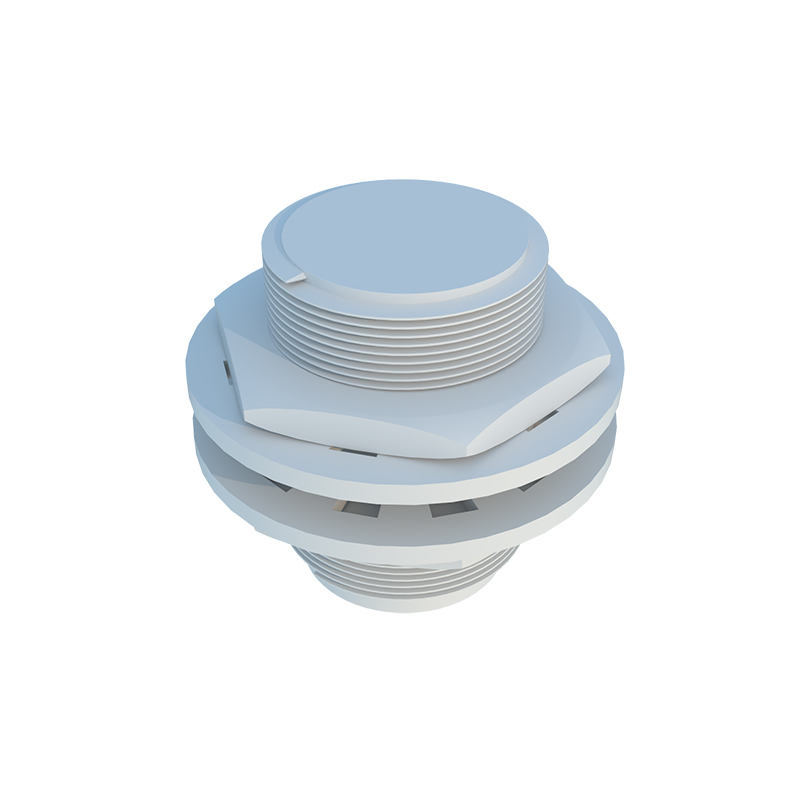
2. Through-Beam Sensors: This system consists of two separate units: a laser emitter and a receiver placed opposite each other. Detection occurs when the target object interrupts the laser beam traveling between them. This method offers the longest sensing distances and highest reliability, as it is largely unaffected by the target's surface properties. It is perfect for precise positioning or counting applications where even small objects must be detected.
3. Retro-Reflective Sensors: Here, the emitter and receiver are housed in the same unit. The sensor emits a beam towards a dedicated reflector (corner cube reflector), which sends the beam directly back. A target is detected when it breaks this reflected beam path. This type provides a longer range than diffuse sensors and simplifies wiring compared to through-beam setups, though it requires a reflector.
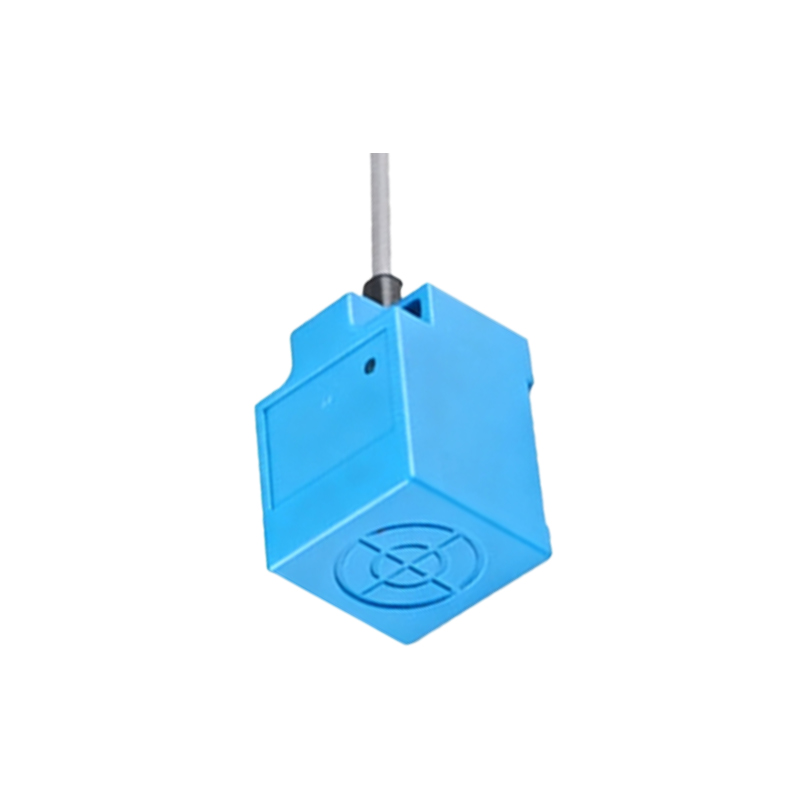
4. Laser Distance Measurement Sensors: These advanced sensors precisely measure the distance to a target. They primarily use two principles:
Triangulation Method: A laser spot is projected onto the target. The reflected light falls onto a PSD at an angle. The position of the light spot on the PSD changes with the target distance, allowing for extremely high-resolution measurements at short to medium ranges.
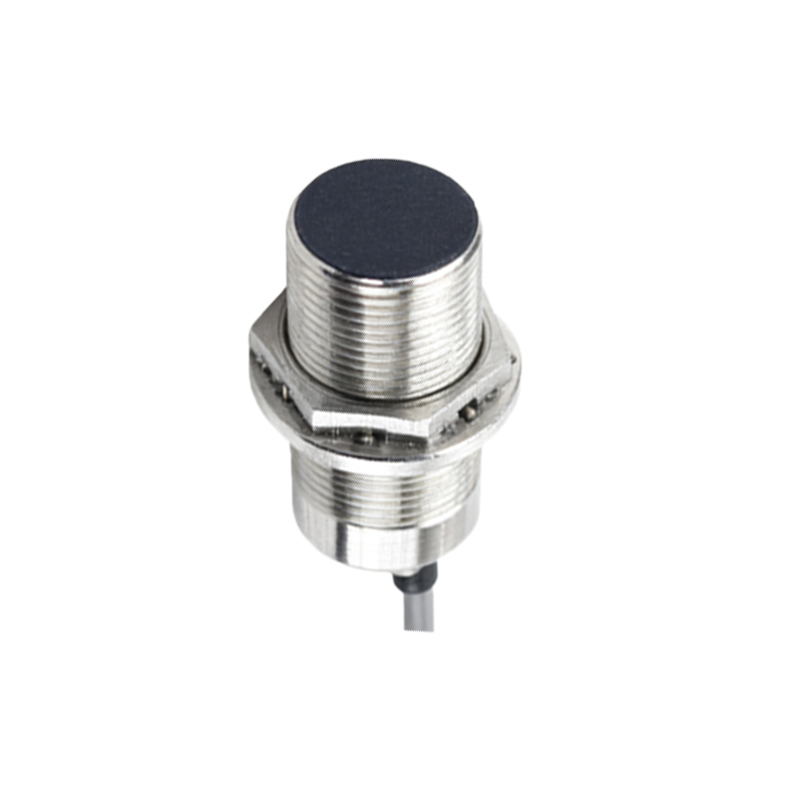
Time-of-Flight (ToF) Method: The sensor measures the time it takes for a laser pulse to travel to the target and back. Since the speed of light is constant, the distance can be calculated precisely. This method is suitable for longer-range measurements.
Key performance parameters for selecting a laser proximity sensor include sensing range, repeatability, accuracy, spot size, response time, and environmental ratings (IP, NEMA). The choice of sensor type heavily depends on the application. For instance, diffuse sensors are used in conveyor belt object detection, through-beam sensors in safety light curtains and high-speed counting, retro-reflective sensors in door control systems, and distance measurement sensors in robotic guidance, weld seam tracking, and thickness profiling.
When integrating these sensors, engineers must consider factors like ambient light interference, target characteristics (color, material, surface finish), mounting requirements, and the need for programmable functions such as teach-in (setting thresholds) or analog output for continuous distance data. Modern laser sensors often feature built-in diagnostics, IO-Link communication for smart factory integration, and robust housings for harsh environments.
In conclusion, laser proximity sensors offer a versatile and precise solution for non-contact detection and measurement. Understanding the distinct types—diffuse, through-beam, retro-reflective, and distance measurement—along with their underlying technologies is crucial for selecting the right sensor to enhance system reliability, efficiency, and intelligence in any automated process. As technology advances, we can expect even smaller form factors, higher speeds, and smarter, networked capabilities from these critical components of industrial sensing.