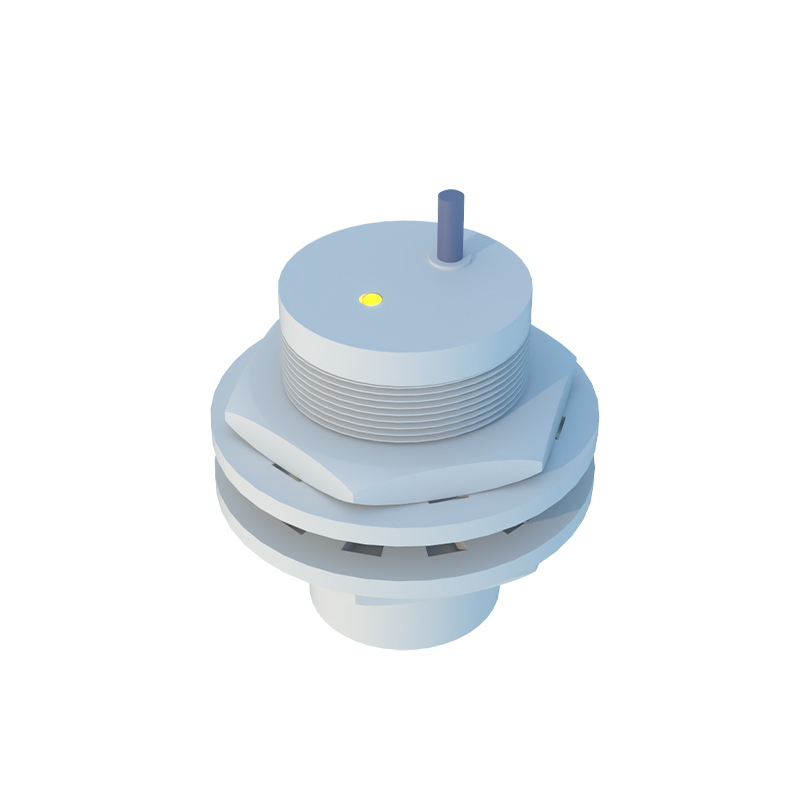
In the dynamic landscape of industrial automation, the demand for reliable, maintenance-free sensing solutions is paramount. Among the array of sensor technologies, self-resetting proximity sensors stand out as a critical component for ensuring continuous operation and system integrity. Unlike traditional proximity switches that may require manual intervention after detecting an object or following a fault condition, self-resetting models automatically return to their standard monitoring state once the target object moves away or the triggering event ceases. This intrinsic capability significantly reduces downtime, enhances safety protocols, and optimizes overall productivity in automated environments.
The operational principle of a self-resetting proximity sensor is rooted in its robust design and intelligent circuitry. Typically employing inductive, capacitive, or magnetic sensing technologies, these devices generate an electromagnetic field. When a metallic or other detectable object enters this field, it causes a disturbance that is detected by the sensor's oscillator and signal conditioning circuits. The key differentiator lies in the output stage and logic design. Upon detection, the sensor's output (be it PNP, NPN, or analog) switches state—for instance, from "off" to "on." Crucially, the sensor is designed with a built-in mechanism, often through monostable or specialized timing circuits, that commands the output to revert to its original "off" or standby state as soon as the target object exits the sensing range. This reset is automatic and instantaneous, requiring no external reset signal or operator action. This design often incorporates protection against voltage spikes, electromagnetic interference (EMI), and short circuits, ensuring the reset function remains reliable even in electrically noisy industrial settings.
The applications for self-resetting proximity sensors are vast and varied across multiple sectors. In automotive manufacturing lines, they are indispensable for part presence verification on conveyor systems, where they detect components like engine blocks or body panels and immediately reset to await the next part, enabling high-speed, uninterrupted production cycles. Within packaging machinery, these sensors monitor the position of products on filling lines, ensuring precise counting and positioning before automatically readying themselves for the subsequent item. Material handling and logistics heavily rely on them for pallet detection, automated guided vehicle (AGV) navigation, and warehouse sorting systems, where continuous, fault-tolerant operation is non-negotiable. Furthermore, in safety-critical applications such as robotic work cell guarding or door position monitoring, the self-resetting feature provides an added layer of reliability, confirming that a safe condition is restored before allowing a process to continue.
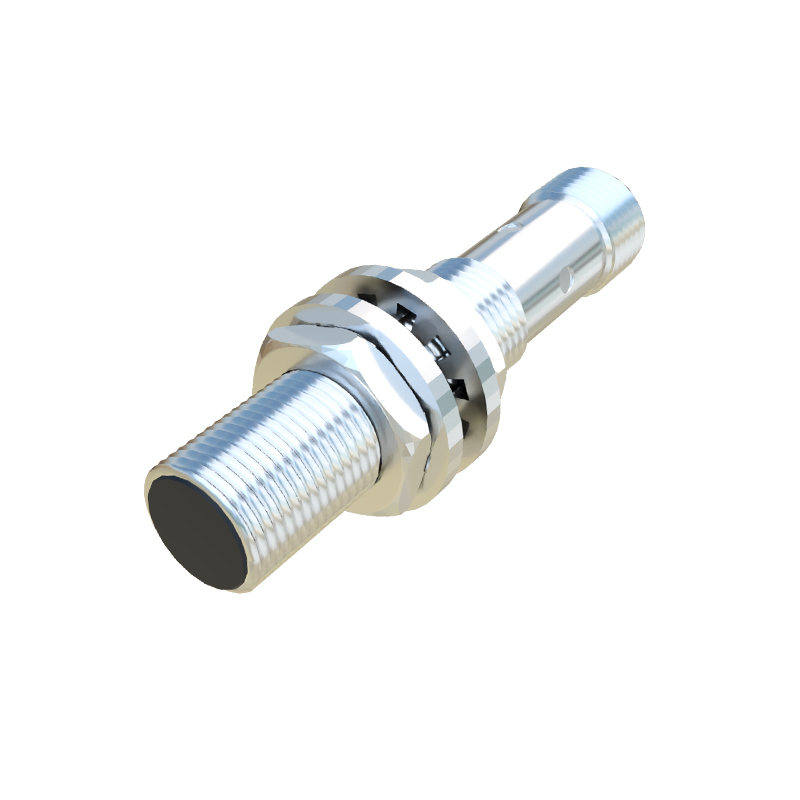
The industry advantages conferred by adopting self-resetting proximity sensors are substantial. Primarily, they drive operational efficiency by eliminating the need for manual resetting, which directly translates to higher machine availability and throughput. This leads to considerable cost savings by reducing labor intervention and minimizing production stoppages. From a maintenance perspective, these sensors decrease the total cost of ownership. Their sealed, rugged housings (often rated IP67 or higher) withstand harsh conditions—including exposure to coolants, dust, and mechanical vibrations—while the self-resetting electronics reduce wear on mechanical components and control system contacts. This robustness enhances system longevity and reliability. Additionally, they simplify control logic for system integrators and engineers. Programmable Logic Controller (PLC) programs can be less complex, as there is no need to write additional code for manual reset sequences or fault recovery routines. This simplification accelerates installation, debugging, and future modifications.
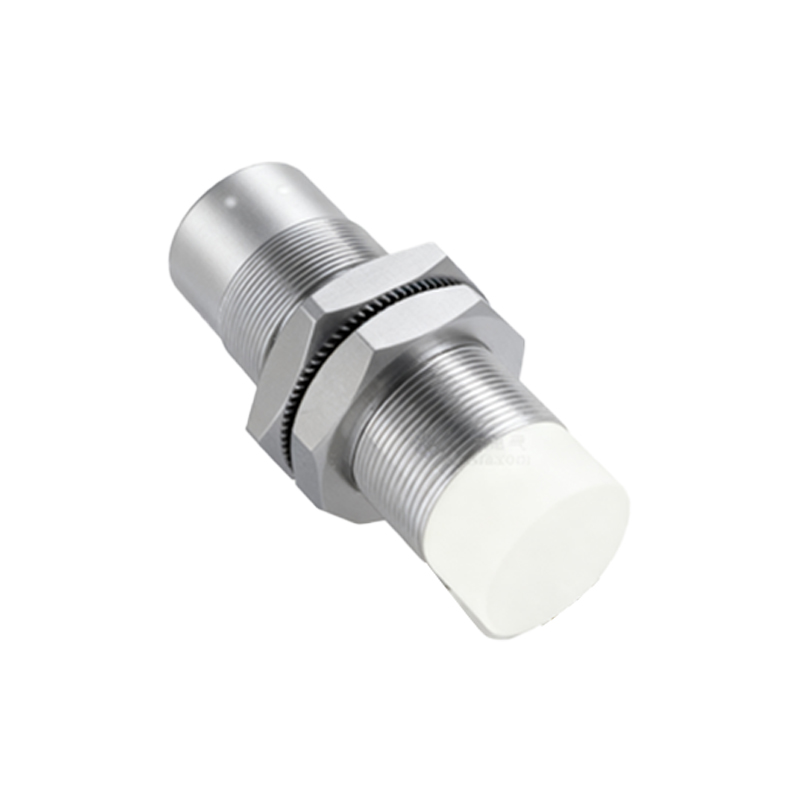
When selecting a self-resetting proximity sensor for a specific application, several technical parameters warrant careful consideration. The sensing range, which must be chosen with a safety margin to account for target material and environmental factors, is fundamental. The choice between inductive (for metals), capacitive (for non-metals and liquids), and magnetic (for permanent magnet detection) types is dictated by the target object. Output configuration (e.g., normally open or normally closed) must align with the control system's requirements. Environmental ratings for ingress protection (IP) and temperature tolerance are critical for ensuring performance in the intended location. Finally, the response time and switching frequency must be compatible with the speed of the application to avoid missing detection events.
In conclusion, self-resetting proximity sensors represent a sophisticated evolution in sensing technology, tailored for the demands of modern, unattended, and high-availability industrial systems. By providing automatic return-to-normal functionality, they form a cornerstone of efficient, safe, and resilient automation architectures. As Industry 4.0 and smart factory concepts continue to evolve, the role of such intelligent, self-managing devices will only grow in significance, paving the way for more autonomous and connected industrial operations.