In the realm of industrial automation, ensuring precise control over assembly processes is paramount for maintaining product quality and operational efficiency. One critical aspect often overlooked is the accurate counting of screws during fastening operations. Traditional methods, such as manual counting or basic mechanical sensors, frequently fall short in high-speed production environments due to errors, wear, and limited adaptability. Enter the ring proximity sensor—a sophisticated solution that is transforming screw counting with its non-contact, reliable, and highly accurate capabilities.
Ring proximity sensors, also known as annular or donut-shaped sensors, operate on the principle of electromagnetic induction or capacitive sensing. These sensors are designed with a central aperture, allowing screws or other fasteners to pass through without physical contact. As a screw moves through the ring, it disrupts the sensor's electromagnetic field, generating a signal that is processed to count each fastener. This non-contact nature eliminates issues like mechanical wear, contamination, and damage to both the sensor and the screws, making it ideal for demanding industrial settings.
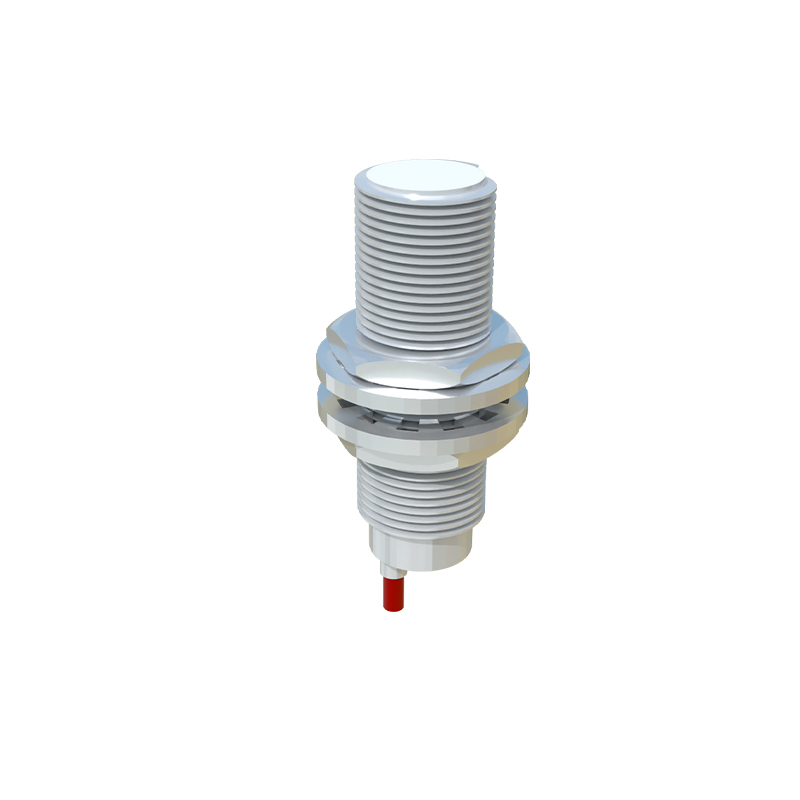
The advantages of using ring proximity sensors for screw counting are multifaceted. Firstly, they offer exceptional accuracy, with detection rates exceeding 99.9% in controlled conditions. This precision is crucial in industries such as automotive manufacturing, electronics assembly, and aerospace, where missing a single screw can lead to catastrophic failures or costly recalls. Secondly, these sensors are highly versatile, capable of detecting various screw sizes, materials (including metal, plastic, and coated fasteners), and orientations without requiring recalibration. Advanced models feature adjustable sensitivity and integration with programmable logic controllers (PLCs), enabling real-time monitoring and data logging for quality assurance.

In practical applications, ring proximity sensors are often integrated into automated screwdriving systems or conveyor lines. For instance, in a production line assembling smartphones, sensors can be mounted at key points to verify that each device receives the correct number of screws before proceeding to the next stage. This not only prevents defects but also reduces waste and downtime by catching errors early. Moreover, the sensors' robust construction—typically made from stainless steel or industrial-grade polymers—ensures durability in harsh environments with exposure to dust, moisture, or temperature fluctuations.
Despite their benefits, implementing ring proximity sensors requires careful consideration. Factors such as screw speed, alignment, and material composition must be evaluated to optimize performance. For example, ferrous screws are easily detected by inductive sensors, while non-ferrous materials may necessitate capacitive variants. Additionally, proper shielding is essential to minimize interference from nearby electrical equipment. Industry best practices involve collaborating with sensor manufacturers to conduct on-site testing and fine-tuning, ensuring seamless integration into existing workflows.
Looking ahead, the future of screw counting is poised for further innovation with the advent of smart ring sensors equipped with IoT connectivity. These next-generation devices can transmit data to cloud platforms for predictive maintenance, trend analysis, and remote diagnostics, enhancing overall operational intelligence. As industries increasingly embrace Industry 4.0 principles, the role of ring proximity sensors in achieving precision and efficiency will only grow more significant.
In conclusion, ring proximity sensors represent a leap forward in fastening control, offering a reliable and accurate solution for screw counting that surpasses traditional methods. By leveraging their non-contact technology and adaptability, manufacturers can achieve higher quality standards, reduce costs, and streamline production processes. For engineers and industry professionals, understanding and adopting these sensors is key to staying competitive in an evolving automated landscape.